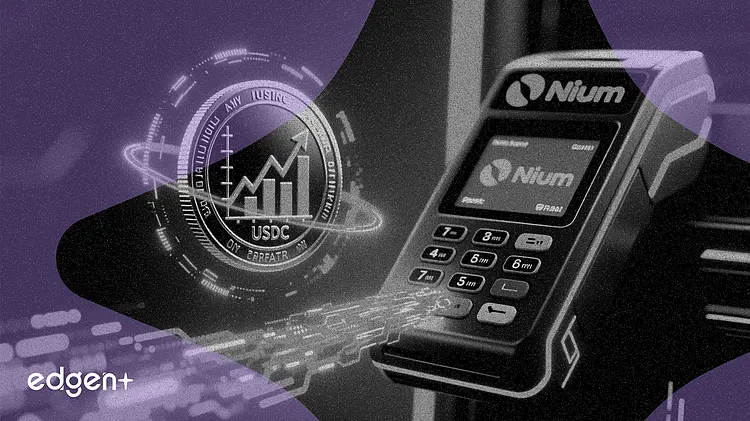
Quan hệ đối tác giữa Circle Internet Group và Nium đưa thanh toán bằng USDC vào các khoản chi trả cuối cùng trên hơn 190 quốc gia, mở rộng phạm vi tiếp cận của nhà phát hành stablecoin ra ngoài giao dịch tài sản kỹ thuật số sang lĩnh vực thanh toán xuyên biên giới chủ đạo.
Circle Internet Group Inc. (CRCL) đã tăng 8,4% trong 30 ngày qua, giao dịch ở mức 113,12 USD, đưa giá trị thị trường của công ty lên khoảng 28,6 tỷ USD, khi các nhà đầu tư đặt cược rằng hạ tầng stablecoin của hãng có thể chiếm lĩnh một phần trong thị trường thanh toán xuyên biên giới toàn cầu trị giá 190 nghìn tỷ USD. Cổ phiếu đã tăng vọt 79,5% trong 90 ngày qua, phản ánh sự quan tâm ngày càng tăng của các tổ chức đối với USDC như một công cụ thanh toán.
"Sự hội tụ giữa các kênh thanh toán truyền thống và trên chuỗi đòi hỏi hạ tầng mà các ngân hàng, công ty fintech và doanh nghiệp toàn cầu có thể dựa vào ở quy mô lớn," ông Prajit Nanu, nhà sáng lập kiêm giám đốc điều hành của Nium, cho biết trong một tuyên bố. "Bằng cách hợp tác với Circle và tham gia Mạng lưới Thanh toán Circle, chúng tôi đang kết hợp công cụ thanh toán được quản lý của Circle với phạm vi chi trả toàn cầu của Nium để mang đến một cách thức liền mạch hơn cho các tổ chức trong việc luân chuyển tiền trên toàn thế giới."
Theo thỏa thuận được công bố ngày 27/5, Nium gia nhập Mạng lưới Thanh toán Circle (CPN) với tư cách đối tác chi trả toàn cầu, giúp các tổ chức tài chính trên mạng lưới có thể tiếp cận trực tiếp hạ tầng chi trả trên hơn 190 quốc gia và 100 loại tiền tệ thông qua một tích hợp duy nhất. CPN đã xử lý khối lượng giao dịch chuẩn hóa hàng năm trị giá 8,3 tỷ USD dựa trên hoạt động 30 ngày trước đó tính đến ngày 31/3/2026, theo dữ liệu của công ty. Bảng cân đối kế toán hợp nhất của Circle cho thấy tiền gửi từ người nắm giữ stablecoin đã vượt quá 74,9 tỷ USD, gần như tương ứng với tài sản dự trữ được nắm giữ để mua lại.
Thỏa thuận này đưa Circle vào vị thế cạnh tranh trực tiếp hơn với các kênh thanh toán truyền thống tại thời điểm thị trường stablecoin đang mở rộng nhanh chóng. Tổng vốn hóa thị trường stablecoin đã vượt 320 tỷ USD vào tháng 4/2026, trong đó USDT của Tether nắm giữ khoảng 58% thị phần và USDC của Circle chiếm phần lớn phần còn lại, theo dữ liệu ngành. Đạo luật GENIUS, được ký thành luật vào ngày 18/7/2025, đã thiết lập khuôn khổ quản lý liên bang đối với các stablecoin thanh toán, tạo ra con đường rõ ràng hơn cho các ngân hàng được cấp phép liên bang tham gia vào thị trường vốn do các nhà phát hành gốc tiền mã hóa thống trị lâu nay.
Tại sao CPN quan trọng đối với định giá của Circle
Mô hình kinh doanh của Circle khác biệt cơ bản so với các công ty phần mềm truyền thống. Công ty quản lý các khoản nợ bằng đô la kỹ thuật số thay vì bán giấy phép phần mềm, nghĩa là tăng trưởng mở rộng đồng thời cả tài sản và nợ phải trả. Quy mô, chứ không riêng biên lợi nhuận, là yếu tố định giá trung tâm. Quan hệ đối tác với Nium mở rộng tiện ích của CPN từ một mạng lưới thanh toán thành một luồng thanh toán hoàn chỉnh, có khả năng gia tăng khối lượng giao dịch và thu nhập từ lãi trên dự trữ USDC mà Circle thu được.
KeyBanc đã khởi xướng đánh giá cổ phiếu Circle với khuyến nghị tỷ trọng ngành, mặc dù không công bố mức giá mục tiêu. Về định giá, một phân tích trên Simply Wall St ước tính giá trị hợp lý của Circle ở mức 35,82 USD/cổ phiếu, ngụ ý rằng cổ phiếu đang bị định giá quá cao ở mức hiện tại. Đánh giá đó phụ thuộc vào các giả định về quy mô doanh thu, biên lợi nhuận và lợi nhuận trong tương lai — tất cả đều có thể thay đổi nếu nhu cầu USDC tăng tốc thông qua các quan hệ đối tác như thỏa thuận với Nium.
Áp lực cạnh tranh từ stablecoin do ngân hàng phát hành
Bối cảnh stablecoin đang ngày càng trở nên đông đúc. SoFi Technologies đã ra mắt SoFiUSD vào ngày 27/5, mô tả đây là stablecoin đầu tiên được phát hành bởi một ngân hàng quốc gia Hoa Kỳ. Token này hoạt động trên Ethereum và Solana, có thể quy đổi 1:1 sang đô la Mỹ và dự kiến có sẵn đầy đủ vào đầu tháng 6. Sự gia nhập của SoFi cho thấy các tổ chức tài chính truyền thống đang chuyển động để phát hành stablecoin riêng theo khuôn khổ Đạo luật GENIUS, có khả năng thách thức sự thống trị của Circle trong lĩnh vực phát hành stablecoin được quản lý.
Đối với Circle, quan hệ đối tác với Nium mang đến chất xúc tác ngắn hạn để đào sâu hào cạnh tranh trong mảng thanh toán xuyên biên giới trước khi các stablecoin do ngân hàng phát hành có được đà tăng trưởng. Khả năng chuyển đổi khối lượng giao dịch chuẩn hóa hàng năm 8,3 tỷ USD của CPN thành tăng trưởng doanh thu bền vững sẽ quyết định liệu cổ phiếu có thể biện minh cho mức định giá cao hiện tại hay không.
Bài viết này chỉ nhằm mục đích cung cấp thông tin và không cấu thành lời khuyên đầu tư.