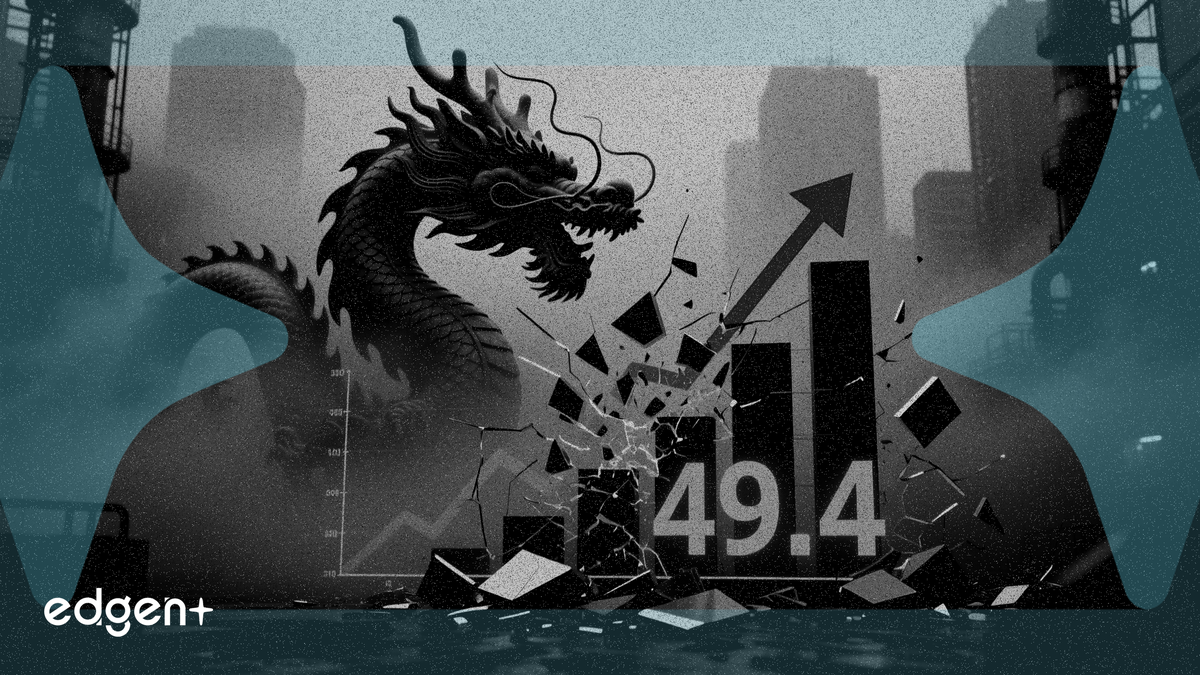
Çin’in hizmet sektörü faaliyeti Nisan ayında beklenmedik bir şekilde daraldı; resmi imalat dışı Satın Alma Yöneticileri Endeksi’nin (PMI) 49,4’e gerilemesi, ülkenin ekonomik toparlanmasının kalıcılığına dair yeni soru işaretleri yarattı.
Bu veri, Mart ayındaki 50,1 değerinden keskin bir dönüşe işaret ederken, büyüme ile daralmayı ayıran 50 puan eşiğinin de altına düştü. Reuters raporunda aktarılan ANZ analistlerine göre, güçlü talepten ziyade yüksek maliyetlerin körüklediği enflasyon, büyüme için risk oluşturuyor ve ekonomi için "dostane bir durum değil".
Hizmet ve inşaat sektörlerindeki yavaşlama, sanayi sektöründeki ılımlı da olsa devam eden güçle tezat oluşturuyor. 27 ekonomistin katıldığı Reuters anketine göre Perşembe günü açıklanacak olan resmi imalat PMI verisinin Mart'taki 50,4'ten 50,1'e gerilemesi bekleniyor; bu da üst üste ikinci ay genişlemeye işaret ediyor.
Ayrışan veriler, Pekin'deki politika yapıcılar için görünümü karmaşıklaştırıyor. Ekonomi ilk çeyrekte %5 oranında güçlü bir büyüme kaydetmiş olsa da bu son veri, artan girdi maliyetleri ve iç talepteki kalıcı zayıflığın ağırlığı altında ivmenin azaldığını gösteriyor. Sürekli bir yavaşlama, yatırımcı güvenini zayıflatabilir ve emtiadan Çin'in büyümesine duyarlı olan Avustralya doları gibi para birimlerine kadar küresel varlıkları etkileyebilir.
Veriler, dünyanın en büyük ikinci ekonomisi için dengesiz bir toparlanmaya işaret ediyor. Fabrika çıkış fiyatları yakın zamanda uzun süreli deflasyon serisini kırmış olsa da bu durum büyük ölçüde Orta Doğu'daki jeopolitik gerilimlerin etkisiyle enerji yoğun sektörlerdeki maliyet artışlarından kaynaklandı.
İç talepte karşılık gelen bir artış olmaksızın gerçekleşen bu maliyet itişli enflasyon, şirket karlarını baskılayabilir ve yatırımları olumsuz etkileyebilir. Çin'in üst düzey liderleri bu hafta, ekonominin yıla güçlü bir başlangıç yapmasına rağmen hala önemli zorluklarla karşı karşıya olduğunu kabul etti. Zayıf hizmet PMI verisi, hükümetin yıllık büyüme hedeflerine ulaşmasının önündeki temel engel olan tüketici ve iş dünyası güvenindeki kalıcı kırılganlığın altını çiziyor.
Bu makale sadece bilgilendirme amaçlıdır ve yatırım tavsiyesi teşkil etmez.