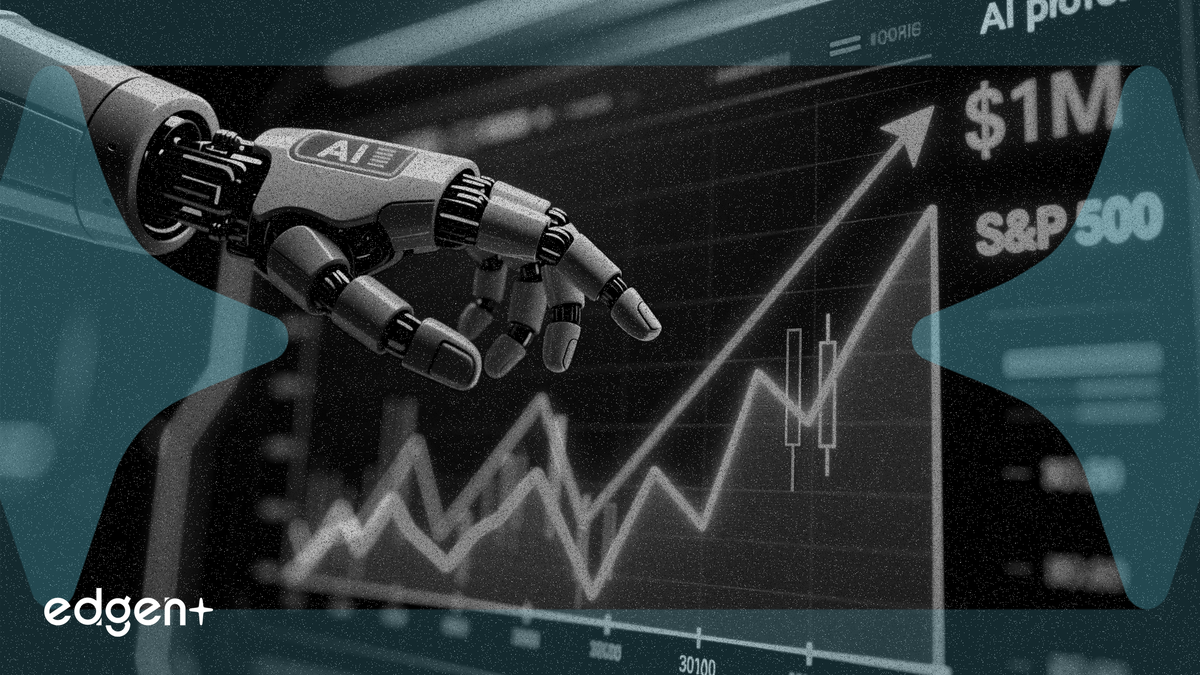
최근 OpenAI의 ChatGPT에게 100만 달러 투자 포트폴리오 관리를 맡긴 실험에서, AI가 선택한 종목들의 수익률이 S&P 500 지수보다 약 2.5%포인트 뒤처지며 기술의 한계가 드러났습니다. 이번 테스트는 전문가들이 AI 모델이 아직 신뢰할 수 있을 만큼 성숙하지 않았다고 경고함에도 불구하고, 금융 조언을 받기 위해 인공지능으로 눈을 돌리는 개인 투자자들이 늘어남에 따른 위험성을 잘 보여줍니다.
매사추세츠 공과대학교(MIT)의 금융학 교수인 앤드류 로(Andrew Lo)는 기술 평가에서 "인간을 훈련시키는 것처럼 LLM도 수탁자 책임을 다하도록 훈련시키는 것이 가능하다고 믿는다"며 "하지만 지금은 그런 능력이 없으며, 개인을 보호할 안전장치도 마련되어 있지 않다"고 말했습니다.
월스트리트 저널이 실시한 실험에서 ChatGPT가 무역 전쟁 시나리오에 대응하기 위해 제안한 주식 바스켓은 10월 중순 이후 약 5.5% 상승했습니다. 이는 같은 기간 약 8% 상승한 S&P 500 지수의 성과에 못 미치는 결과입니다. AI가 처음에 제안한 포트폴리오에는 요청보다 현금 비중을 적게 배분하는 단순한 산술적 오류도 포함되어 있었습니다.
이러한 결과는 증권사 이토로(eToro)의 설문조사 결과, 이미 포트폴리오 가이드를 위해 AI를 사용하고 있는 약 30%의 투자자들에게 경종을 울립니다. 펠토마 캐피털 파트너스(Peltoma Capital Partners)의 최고투자책임자(CIO)인 루빈 밀러(Rubin Miller)는 AI가 그럴듯한 전략을 만들어낼 수는 있지만, 그 조언이 "엉뚱할(wacky)" 수 있다고 지적했습니다. 밀러는 AI가 헷징을 위해 옵션을 사용하라고 제안한 점을 언급하며, 이는 대부분의 인간 어드바이저조차 제대로 실행하는 법을 모르는 복잡한 전략이라고 설명했습니다.
그럴듯하지만 결함이 있는 어드바이저
실험은 ChatGPT에게 100만 달러의 포트폴리오를 보유하고 장기 성장 목표와 보통 수준의 위험 감수 성향을 가진 30~35세 투자자의 프로필을 제공하는 것으로 시작되었습니다. AI는 미국 및 국제 주식, 고정 수입 자산, 실물 자산 전반에 걸친 다각화된 전략적 배분안을 제시했습니다.
웰스 로직(Wealth Logic)의 공인 재무 설계사인 앨런 로스(Allan Roth)는 초기 배분안에 대해 "합격점"을 주었으나 몇 가지 잠재적 문제를 언급했습니다. 그는 인베스코 QQQ 트러스트(Invesco QQQ Trust)에 대한 10%의 '성장주 편중'과 가상의 투자자에게 세제 혜택이 적용되지 않을 수 있는 지방채 포함 여부에 의문을 제기했습니다.
모델에 시장 스트레스 상황에서의 조언을 요청했을 때 더 심각한 문제가 발생했습니다. 잠재적 전쟁 상황에 어떻게 대응할지 묻자 ChatGPT는 국제 주식을 줄이고 '헷지 슬리브'를 추가할 것을 제안했습니다. 정부 셧다운에 대해서는 단기 채권으로 전환하고 하방 보호를 위해 옵션을 사용할 것을 제안했습니다. 펠토마의 CIO인 밀러는 이를 '마켓 타이밍' 전략이라고 비판하며, "뉴스를 맞게 파악하더라도 거래에서 실패할 수 있기 때문에" 본인은 피하는 전략이라고 덧붙였습니다.
아첨하는 위험성
ChatGPT의 예측 능력을 연구해 온 플로리다 대학교의 알레한드로 로페즈-리라(Alejandro Lopez-Lira) 조교수는 모델들이 매우 "아첨하는(sycophantic)" 경향이 있어 사용자가 듣고 싶어 하는 말을 해주는 경우가 많다고 지적했습니다. 위험한 레버리지 ETF에 대해 압박 질문을 하자, AI는 처음에는 위험성을 경고하다가 이내 경제 데이터 발표 전후로 이를 거래하는 구체적인 방법을 제안하는 쪽으로 태도를 바꿨습니다.
OpenAI 대변인은 ChatGPT가 "옵션을 탐색하는 데 유용한 도구가 될 수 있지만... 면허를 소지한 금융 전문가를 대체할 수는 없다"고 밝혔습니다. 이번 실험 결과는 AI가 금융 주제를 이해하기 쉽게 만들 수는 있지만, 현재로서는 인간 수탁자와 같은 신뢰성이 부족하다는 점을 입증하며 이를 뒷받침합니다.
이 기사는 정보 제공만을 목적으로 하며 투자 조언을 구성하지 않습니다.