
Emtia Vadeli İşlemler Komisyonu, Çarşamba günü çoğu sporla ilgili etkinlik sözleşmesine izin verirken savaş, terörizm ve suikast bahislerini engelleyecek kurallar önerecek.
Emtia Vadeli İşlemler Komisyonu, Çarşamba günü çoğu sporla ilgili etkinlik sözleşmesine izin verirken savaş, terörizm ve suikast bahislerini engelleyecek kurallar önerecek.
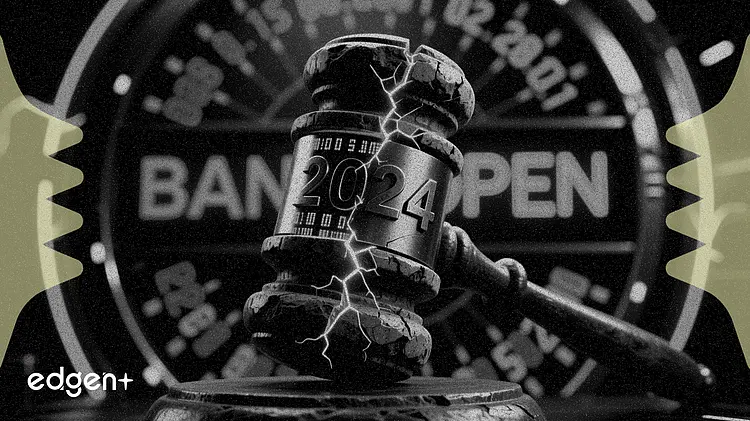
Başkan Michael Selig yönetimindeki CFTC, Çarşamba günü ajansın 2024 yılındaki spor bahisleri yasağını tersine çevirerek, çoğu sporla ilgili etkinlik sözleşmesine izin verirken savaş, terörizm ve suikast bahislerini engelleyecek kurallar önerecek.
"Teklif, belirli hiçbir etkinlik sözleşmesi türünü doğrudan yasaklamıyor, aksine düzenleyicilerin belirli sözleşme türlerini vaka bazında incelemek için kullanacağı faktörleri ana hatlarıyla belirtiyor," konuya aşina kişiler Wall Street Journal'a söyledi.
Kurallar, oyuncu sakatlıkları, ilk atış bahisleri, savaş, terörizm ve suikast üzerine bahisleri, manipülasyona açık olmaları veya kamu yararına aykırı olmaları gerekçesiyle yasaklayacak. 2020'den bu yana CFTC'ye kayıtlı bir belirlenmiş sözleşme piyasası (DCM) olan Kalshi ve 2025'te DCM statüsü kazanan Polymarket, eyalet düzeyindeki kumar yasalarının federal önceliğinden faydalanacak.
Bu teklif, CFTC'nin 2024 seçim döngüsü sırasında patlayan bir piyasayı düzenlemeye yönelik en önemli girişimini işaret ediyor. OMB incelemesi devam ederken ve resmi bir yorum dönemi beklenirken, nihai kuralların uygulanması aylar sürebilir — ancak yön net: ABD, yasaklama yerine federal denetime doğru ilerliyor.
Beyaz Saray Yönetim ve Bütçe Ofisi'nde (OMB) 26 Mayıs civarında incelemeye giren önerilen kurallar, Mart ayında yayınlanan bir Önerilen Kural Yapımına İlişkin Ön Bildirim üzerine inşa ediliyor. Bu önceki belgeye ilişkin yorum dönemi 30 Nisan'da kapandı. Başkan Trump, 26 Mayıs'ta Truth Social gönderisinde CFTC'nin tahmin piyasaları üzerindeki münhasır federal yetkisini kamuoyu önünde onaylayarak eyalet düzeyindeki müdahaleye son verilmesi çağrısında bulundu.
Çerçeve, önceki yönetim altındaki yaklaşımdan keskin bir şekilde ayrılıyor. 2024'te CFTC, çeşitli sporla ilgili etkinlik sözleşmelerini yasaklayarak bunları kumara çok yakın kabul edilen kategorilerle gruplandırmıştı. Yeni teklif tam tersi bir görüş benimsiyor: onları tamamen yasaklamak yerine federal denetim altına almak.
2020'den beri CFTC'ye kayıtlı belirlenmiş bir sözleşme piyasası olarak faaliyet gösteren Kalshi, yıllarca eyalet yasalarının yamalı bohçasında yol almaya çalıştı. Federal öncelik, bu engellerin çoğunu ortadan kaldıracak. Platform, yeni kuralların önüne geçmek için bazı kullanıcıların işveren kimliklerini açıklamasını talep etmeye başladı bile, Journal'ın haberine göre.
2024 seçimleri sırasında herkesin tanıdığı bir isim haline gelen blockchain tabanlı platform Polymarket, 2025'te DCM statüsü kazandı. Platformun, Journal'ın yayıncısı Dow Jones ile bir veri ortaklığı bulunuyor. Polymarket henüz yerel bir POLY token'ı piyasaya sürmedi, bu da düzenleyici netliğin bu token'ın piyasaya nasıl ve ne zaman çıkacağını etkileyebileceği anlamına geliyor.
Trump ailesinin kendisi de sektörde mali bir çıkar elde etti; Trump'ın oğullarından biri hem Kalshi hem de Polymarket'a danışman olarak hizmet veriyor.
CFTC genel olarak izin verici olsa da, teklif net istisnalar belirliyor. Savaş, terörizm ve suikast üzerine bahislerin kamu yararı gerekçesiyle yasaklanması muhtemel. Nisan ayında Venezüella lideri Nicolas Maduro'nun tutuklanmasına yol açan operasyon etrafında iddiaya göre işlemler yapan bir ABD askeri hakkında dava açıldı; bu durum, jeopolitik etkinlik sözleşmelerinde bilgi asimetrisinin risklerini gözler önüne seriyor.
Oyuncu sakatlıkları ve ilk atış bahisleri üzerine sporla ilgili bahisler — bir Major League Baseball yıldız oyuncusunu tuzağa düşüren türden — da vaka bazlı inceleme çerçevesinde sorgulanacak.
CFTC'nin tutumu iki partili tepkiyle karşılaştı. Mart ayında yasa koyucular, ABD düzenlemeli tahmin piyasalarının spor etkinlikleri ve kumarhane tarzı oyunlarla ilgili sözleşmeleri listelemesini yasaklayacak bir yasa tasarısı sundu. Çoğu ABD profesyonel spor ligi spor kumarını benimsemiş olsa da, bazıları tahmin piyasaları konusunda temkinli olmaya devam ediyor. Major League Baseball bu yılın başlarında Polymarket ile bir lisans anlaşması imzaladı.
Çarşamba günü önerilen kurallar son olmayacak. Ajans, perakende yatırımcıları korumayı amaçlayan ek kurallar üzerinde çalışıyor, konuya aşina kişiler söyledi. OMB incelemesi tamamlandığında, teklif başka bir kamu yorum dönemi ve nihai kurallar yürürlüğe girmeden önce potansiyel olarak aylar sürecek revizyonlarla resmi kural yapım sürecine geçecek.
Bu makale yalnızca bilgilendirme amaçlıdır ve yatırım tavsiyesi niteliği taşımaz.
