
캐나다 경제는 1분기에 가속화되었으나, 3월의 정체와 제조업체들의 "전반적인 약세" 경고는 잠재적인 취약성을 시사합니다.
캐나다 경제는 1분기에 가속화되었으나, 3월의 정체와 제조업체들의 "전반적인 약세" 경고는 잠재적인 취약성을 시사합니다.
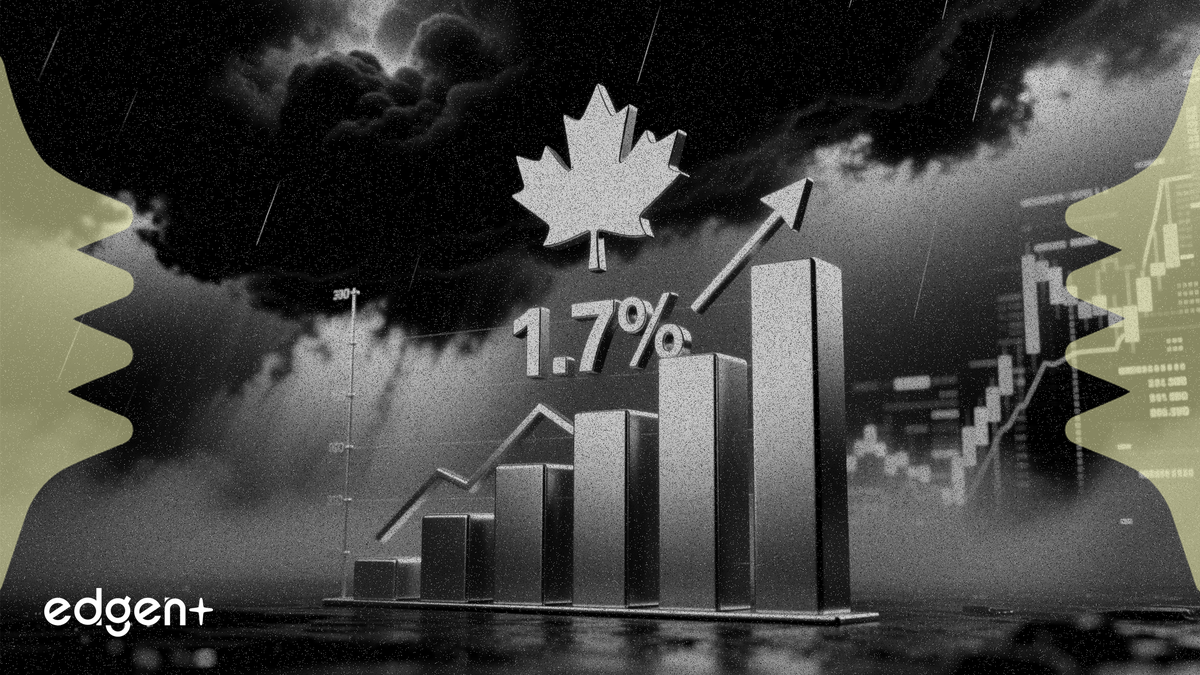
(P1) 2026년 1분기 캐나다 경제는 연율 1.7% 성장하며 지난해 말의 위축세에서 반등했습니다. 이는 중앙은행의 전망치를 약간 상회하는 수준이지만, 3월의 정체는 회복세가 여전히 취약함을 시사합니다.
(P2) 데자르댕(Desjardins)의 거시경제 전략 책임자인 로이스 멘데스(Royce Mendes)는 보고서에서 "캐나다 경제는 1분기 내내 불안정한 상태를 유지했다"며, 이번 데이터를 과도한 인플레이션 압력을 유발할 가능성이 낮은 경제 상황과 일치하는 것으로 평가했습니다.
(P3) 캐나다 통계청이 발표한 1.7%의 성장률은 캐나다 은행의 전망치인 1.5%를 앞질렀습니다. 이러한 확장은 2월 산업별 국내총생산(GDP)이 0.2% 증가한 데 따른 것으로, 2023년 1월 이후 가장 강력한 월간 제조업 성장과 석유 및 가스 추출의 추가 증가가 이를 주도했습니다. 그러나 3월의 선행 추정치는 경제 생산이 실질적으로 변동이 없음을 보여주며 2분기로의 약한 인계 과정을 시사했습니다.
(P4) 이 엇갈린 보고서는 캐나다 은행의 전망을 복잡하게 만듭니다. 캐나다 은행은 이번 주 초 기준금리를 2025년 7월 이후 유지해 온 5.0% 수준에서 동결했습니다. 헤드라인 성장 수치는 즉각적인 금리 인하 압박을 줄여주지만, 3월의 정체된 성과와 지속적인 역풍은 신중한 통화 정책 입장의 필요성을 뒷받침합니다.
2월의 강세는 상품 생산 산업에 집중되었으며, 서비스업이 0.1% 증가한 데 비해 상품 산업은 0.4% 성장했습니다. 자동차 산업 생산과 기계 제조업의 회복은 무역 불확실성으로 어려웠던 2025년 이후 해당 부문이 다시 추진력을 얻는 데 도움이 되었습니다.
그러나 분기말의 약세는 기업 실적을 통해서도 확인되었습니다. 온타리오주에 기반을 둔 제조업체인 Hammond Power Solutions Inc. (TSX: HPS.A)는 1분기 보고서에서 캐나다 시장이 "2025년 4분기 대비 둔화되었다"며 "전반적인 연조와 점점 더 치열해지는 가격 경쟁"을 겪고 있다고 언급했습니다. 이는 경제학자들이 주시하고 있는 광범위한 냉각 추세의 구체적인 사례를 제공합니다.
소매업의 감소와 3개월 연속 증가 후 전반적인 하락세를 보인 공공 부문의 위축이 성장의 일부를 상쇄했습니다.
경제학자들은 상당한 위험이 남아 있다고 경고합니다. 옥스퍼드 이코노믹스(Oxford Economics)의 수석 경제학자 마이클 대번포트(Michael Davenport)는 "에너지 가격 충격, 미국의 관세, 무역 정책의 불확실성 및 인구 감소로 인한 역풍이 단기적으로 경기 침체 위험을 높이고 근본적인 경제 모멘텀을 약화시킬 가능성이 크다"고 말했습니다. 다가오는 북미 무역 협정 재협상과 유가를 지탱해 온 이란 내 지속적인 전쟁도 불확실성을 가중시키고 있습니다.
현재 캐나다 은행은 수출과 기업 투자가 부진한 가운데 소비와 정부 지출이 경제를 지탱할 것으로 예상하고 있습니다. 중앙은행은 유가 상승이 광범위한 인플레이션으로 이어졌다는 증거가 거의 없다고 밝혔으나, 정책 입안자들은 경계를 늦추지 않고 있습니다. 유가가 하락할 경우, 중앙은행은 일시적인 가격 효과가 지속적인 고인플레이션을 유발하지 않을 것이라고 확신하며 관망할 수 있는 더 많은 여유를 갖게 될 것입니다.
이 기사는 정보 제공 목적으로만 작성되었으며 투자 조언을 구성하지 않습니다.
