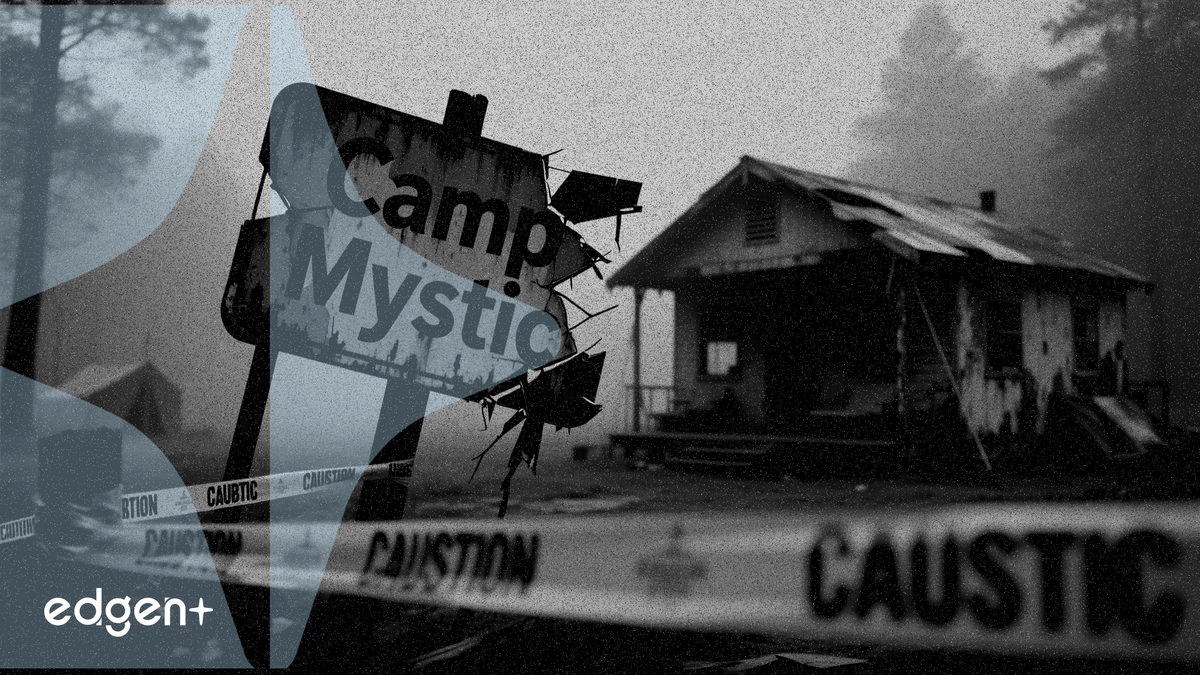
The legacy and reopening of a 100-year-old Texas summer camp now hinge on its ability to rectify 22 critical safety failures in the next 45 days.
Camp Mystic’s plan to reopen for its 100th summer is in jeopardy after the Texas Department of State Health Services found its emergency preparedness plans deficient in 22 areas, less than a year after a flood killed 27 people at the camp.
"Camp Mystic is carefully reviewing the notice from DSHS, and we are working closely with DSHS through the appropriate process to address the areas outlined," an attorney for the camp said in a statement, affirming that the "priority remains the safety and well-being of our campers."
The DSHS notice gives the camp 45 days to address shortcomings that include a lack of floodplain maps, unclear evacuation procedures for campers with disabilities, and undefined staff roles for emergencies. The state’s action comes as the camp prepares to welcome some 850 girls starting May 30, though a DSHS spokesperson noted that all 174 camps that submitted plans this year received similar deficiency notices under new laws.
At stake is the operating license for the camp's centennial season, a question hanging over a business and community fractured by the July 4, 2025, tragedy. The outcome of this regulatory challenge could set a precedent for the enforcement of Texas's sweeping new youth camp safety laws, passed directly in response to the deaths at Camp Mystic.
A Plan with 22 Deficiencies
The 11-page letter from state health officials detailed widespread gaps in the camp's proposed safety protocols. Regulators found the plan was missing required federal floodplain maps for its Cypress Lake location, the site planned for the reopening, which sits on higher ground than the main campus where the fatalities occurred. The camp’s response plans for a fire, serious injury or death, aquatic emergency, and natural disaster were all deemed "insufficient" or "incomplete."
The DSHS also instructed Camp Mystic to revise its plan to include specific evacuation route maps, clarify staff responsibilities during an evacuation, and detail its process for assisting individuals with disabilities. The review found the camp had not formally designated an emergency preparedness coordinator and lacked clear procedures for notifying parents or coordinating with 911.
Political and Legal Pressure Mounts
The regulatory notice arrives amid significant political and legal pressure. Families of the 25 campers and two counselors who died have filed wrongful death lawsuits against the camp's owners, alleging they were unprepared for the flood and disregarded warnings. These families have actively lobbied state officials to prevent the camp from reopening.
Adding to the pressure, Texas Lt. Gov. Dan Patrick has publicly urged the DSHS not to renew Camp Mystic’s license until all state and criminal investigations are complete. The state health agency has received more than 600 complaints from the public pressing them to deny the license. The camp faces investigations by the DSHS, the Texas Rangers, and special legislative committees.
The new safety laws that prompted the review were passed by Texas legislators specifically because of the Camp Mystic disaster. Some parents have also sued the DSHS itself, alleging it failed to ensure the camp had a proper evacuation plan prior to the 2025 flood. While a DSHS spokesperson said such deficiency notices are a routine part of the new, stricter licensing process, the high-profile nature of the case invites intense scrutiny of every step.
This article is for informational purposes only and does not constitute investment advice.