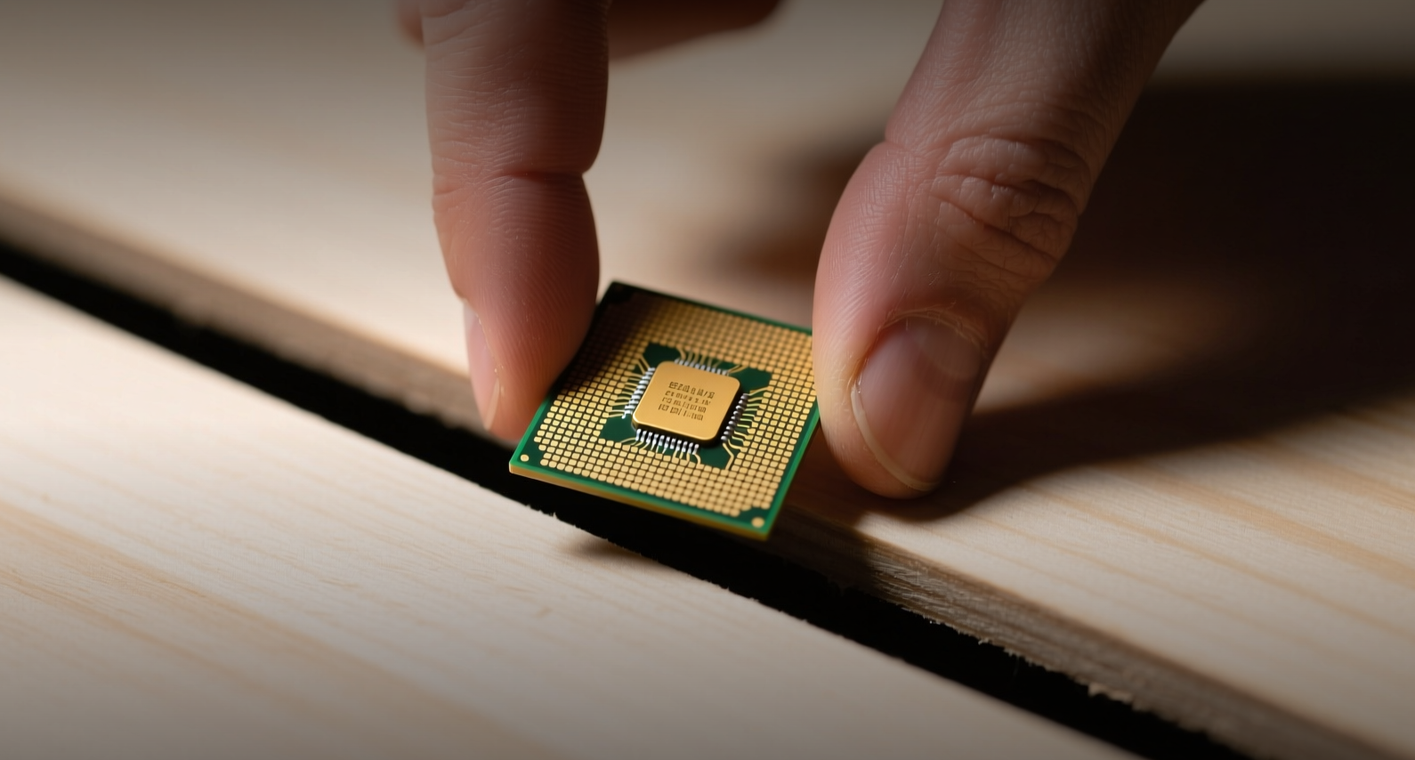
South Korea's AI-driven semiconductor boom is forcing the Bank of Korea toward rate hikes, making its sovereign bonds the worst performers among 44 global markets tracked by Bloomberg.
The same memory-chip cycle that lifted Samsung Electronics and SK Hynix to trillion-dollar valuations is pushing the Bank of Korea toward tightening, leaving Korean sovereign debt down about 7.5% in 2026 — the worst showing among 44 markets Bloomberg tracks. The benchmark three-year yield climbed to 3.858% on June 4, its highest since November 2023, as foreign investors sold bond futures on bets the central bank may move faster than expected.
"The AI-driven semiconductor boom could become a game changer for South Korea's low potential growth rate and neutral interest rate," Bank of Korea Governor Shin Hyun-song said in a June 19 dinner speech for the Korean Finance Association, according to the Korea Economic Daily. He cited Paul Romer's endogenous growth theory and said artificial intelligence could reproduce the rapid expansion seen after the Industrial Revolution.
The central bank held its policy rate at 2.5% at its late-May meeting but revised its 2026 growth forecast to 2.6% from 2.0%, reflecting first-quarter expansion of 1.7% — the fastest in nearly six years. It lifted its inflation estimate to 2.7%, leaving real interest rates effectively negative. The updated dot plot leaned toward 3% over the following six months, with two board members penciling in 3.25%. The swaps market has priced at least three increases this year, and some traders now weigh the possibility of a 50-basis-point move in a single meeting.
The Inflation Mechanism Behind the Bond Selloff
The transmission chain is straightforward. A surge in semiconductor investment and AI-driven demand has reignited growth and lifted export prices, which in turn has investors betting the central bank will have to raise rates to keep the economy from overheating. Bond prices fall as rate expectations rise. First-quarter nominal gross domestic product rose 17.1% from a year earlier, while real GDP growth was 3.8%, Shin said. Gross domestic income growth reached 13.2%, reflecting a sharp improvement in the terms of trade driven by rising semiconductor export prices rather than domestic inflation.
"The same boom has done something far less welcome to the country's government bond market," the governor said, describing a dynamic where a nation can be the world's most important supplier of AI memory and still hold the planet's weakest sovereign bonds.
What Higher Rates Mean for Korea's Long-Term Growth Path
Shin said policymakers need to watch nominal GDP, the terms of trade and gross domestic income together to assess whether the AI-driven boom could lead to a reassessment of long-term growth and the neutral interest rate. If the boom raises long-term growth, South Korea may need to abandon the low-growth, low-rate framework tied to its aging population and low birthrate, he said.
Strategists see further pressure ahead. Cho Yong-gu expects three- and 10-year yields to reach 4% and 4.4% this year, while Lim Jae-kyun projects the 10-year climbing to 4.4% should the policy rate reach 3.5%, the Korea Times reported. The Bank of Korea's next policy meeting will be closely watched for any signal that the tightening bias is hardening into action.
The episode is a case study in how an AI boom can wreck a boring asset class rather than fund it. For investors holding Korean sovereign debt, the same chip cycle that has made equities in Seoul among the world's best performers is now the primary source of their losses.
This article is for informational purposes only and does not constitute investment advice.