
The Bank of Japan has scheduled three board speeches before its September 17-18 meeting, a pattern it has used to telegraph past rate increases.
The Bank of Japan has scheduled three board speeches before its September 17-18 meeting, a pattern it has used to telegraph past rate increases.
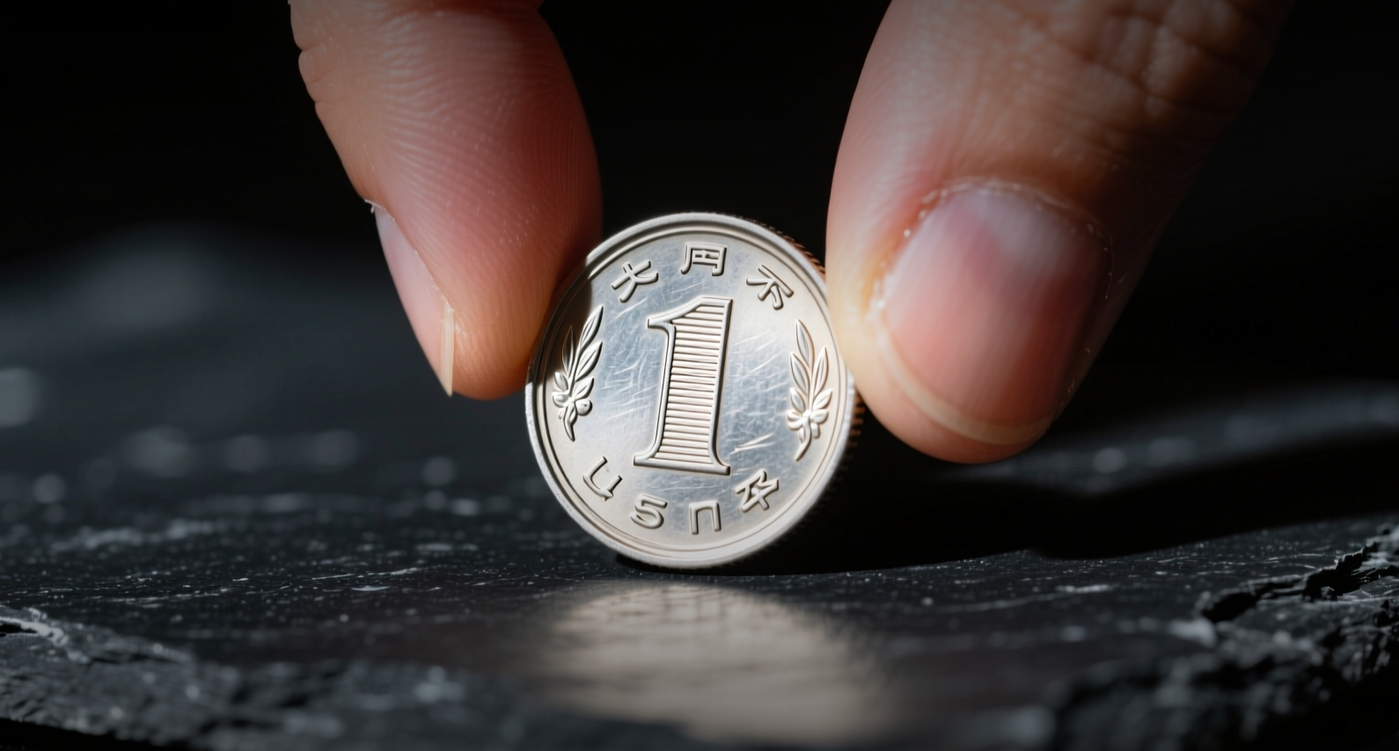
The Bank of Japan has scheduled three board speeches before its September 17-18 policy meeting, a pattern it has used to telegraph past rate increases, as joint Japan-U.S. currency intervention and pressure from Washington harden expectations for a hike to 1.25 percent.
"Whenever Bessent made comments on Japanese monetary policy, the BOJ followed through with rate hikes. With domestic producer prices spiking and expected to continue rising, there's a strong chance the BOJ will raise rates in September," Mari Iwashita, executive rates strategist at Nomura Securities, said.
Board member Kazuyuki Masu will speak Sept. 10, joining Deputy Governor Ryozo Himino on Aug. 27 and hawkish member Hajime Takata on Sept. 2. Takata dissented on July's decision to hold, calling for an immediate increase to 1.25 percent. The yen, which slid to a 40-year low of 163 per dollar in July, has firmed to near 157.9 after last week's coordinated intervention.
Overnight swap markets now price roughly a two-thirds probability of a September hike, up from about 30 percent at the end of July, with the odds of a move by October at 96 percent. A hike would lift the policy rate to 1.25 percent, the most aggressive tightening cycle since 1995, and could trigger a global unwinding of yen carry trades that would ripple through equities and risk assets worldwide.
The Bessent factor
U.S. Treasury Secretary Scott Bessent has said he expects to meet BOJ Governor Kazuo Ueda on the sidelines of a U.S.-hosted G20 finance leaders' meeting on Aug. 31-Sept. 1. Sources familiar with the matter said Bessent's comments favoring an earlier rate hike, combined with last week's joint intervention, have all but locked the central bank into tightening in September. If Ueda travels and holds a press briefing after the gathering, his remarks will be scrutinized for confirmation.
The pattern echoes 2024, when the BOJ ended a decade of massive stimulus and began raising rates. It has since lifted the policy rate several times, most recently in June, bringing it to 1 percent — a 31-year high. The slow pace of tightening has been blamed for the yen's slide, as the wide gap between Japanese and U.S. interest rates persisted. The last time the BOJ surprised markets with a hike, in August 2024, it triggered a sharp selloff in global equities as leveraged yen carry trades unwound.
Inflation risks tilt higher
The BOJ's Summary of Opinions from its July meeting, released Aug. 10, struck a markedly hawkish tone. Several board members warned that upside inflation risks are intensifying, citing the pass-through of rising oil prices, AI-driven global demand, and Japan's expansionary fiscal policy. One member said the central bank "could consider a pace of rate hikes faster than markets currently envision."
Tokyo core CPI accelerated for a second consecutive month to 1.9 percent, approaching the BOJ's 2 percent target. The central bank's official estimate for the neutral rate ranges from 1.1 percent to 2.5 percent, leaving the current 1 percent policy rate just one step from the lower bound. At the July meeting, the BOJ revised down its core CPI forecast for fiscal 2026 to 2.5 percent from 2.8 percent while upgrading GDP growth to 0.6 percent from 0.5 percent.
The path is not without obstacles. Weak household spending could reduce the feasibility of a September move, and a Reuters survey shows most analysts expect a hike before December, potentially as early as October. JPMorgan's chief Japan economist sees the central bank waiting until October. If the BOJ does move in September, Iwashita said, it "could squeeze in another rate increase in December."
This article is for informational purposes only and does not constitute investment advice.
