


Key Takeaways:
- Revenue rose 298 percent to 15.6 billion yuan in the first half.
- Net profit swung to 7.17 billion yuan from a 226 million yuan loss.
- AI edge storage revenue jumped 434 percent to 2.86 billion yuan.
Key Takeaways:
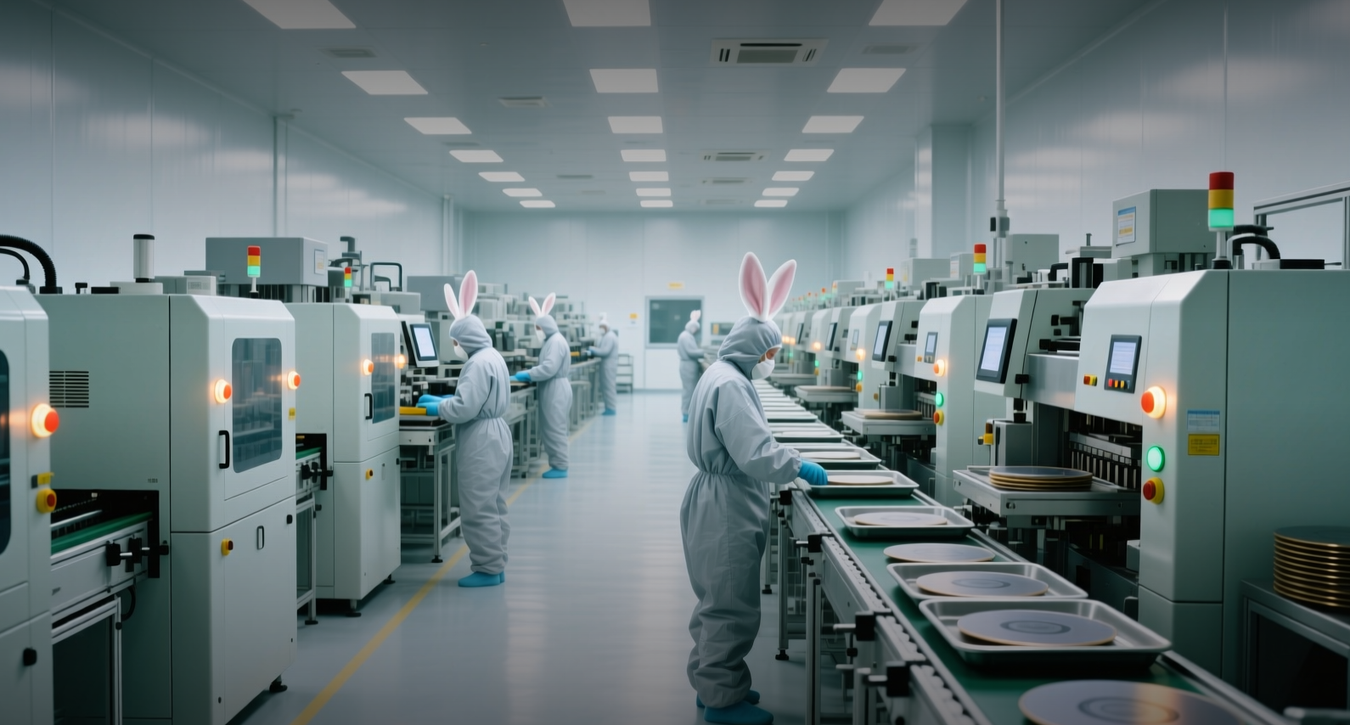
Biwin Storage reported first-half revenue of 15.6 billion yuan, up 298 percent, and swung to a 7.17 billion yuan net profit.
The results reflect rising AI computing demand and a stronger storage cycle, the Shenzhen-based company said in its semi-annual report released Aug. 24.
Gross margin widened to 54.81 percent from 21.44 percent in 2025, after sitting at 1.71 percent in 2023. AI edge storage revenue reached 2.86 billion yuan, up 434 percent year over year and 127 percent sequentially, as AI glasses and wearables from customers including Meta, Google, Alibaba and Xiaomi ramped up. Embedded storage, the largest line, generated 11.3 billion yuan of the 14.9 billion yuan in total storage revenue. Smart mobile and AI edge contributed 6.24 billion yuan, PC and enterprise 2.95 billion yuan, and smart automotive 6.23 billion yuan.
The company is stockpiling inventory to lock in supply, with balances of 18.2 billion yuan at end-June, up 131 percent since December, and long-term purchase commitments of $33.6 billion with memory makers. Operating cash flow was negative 6.26 billion yuan on higher procurement.
Net profit included 533 million yuan of non-recurring items, including a 677 million yuan fair-value gain on financial assets. Excluding share-based payment of 91 million yuan, net profit was 7.26 billion yuan. Basic earnings per share were 15.28 yuan, with a weighted return on equity of 78.69 percent. Research spending rose 26 percent to 344 million yuan, with engineers making up 45 percent of staff.
Biwin is pushing up the supply chain, developing its own eMMC controller, now in mass production, and a UFS 3.1 controller taped out in February for customer integration in the second half. It is also developing small-capacity NAND flash media with domestic foundries at 24nm and 19nm nodes, and building wafer-level advanced packaging capacity, a 3.09 billion yuan project targeting 5,000 wafers a month by end-2026 and 10,000 by end-2027, with revenue expected to begin late this year.
The inventory buildup and negative cash flow leave Biwin exposed to a downturn in memory prices, which the company flagged as cyclical. Investors will watch whether AI edge demand sustains the gross-margin expansion through the second half.
This article is for informational purposes only and does not constitute investment advice.
