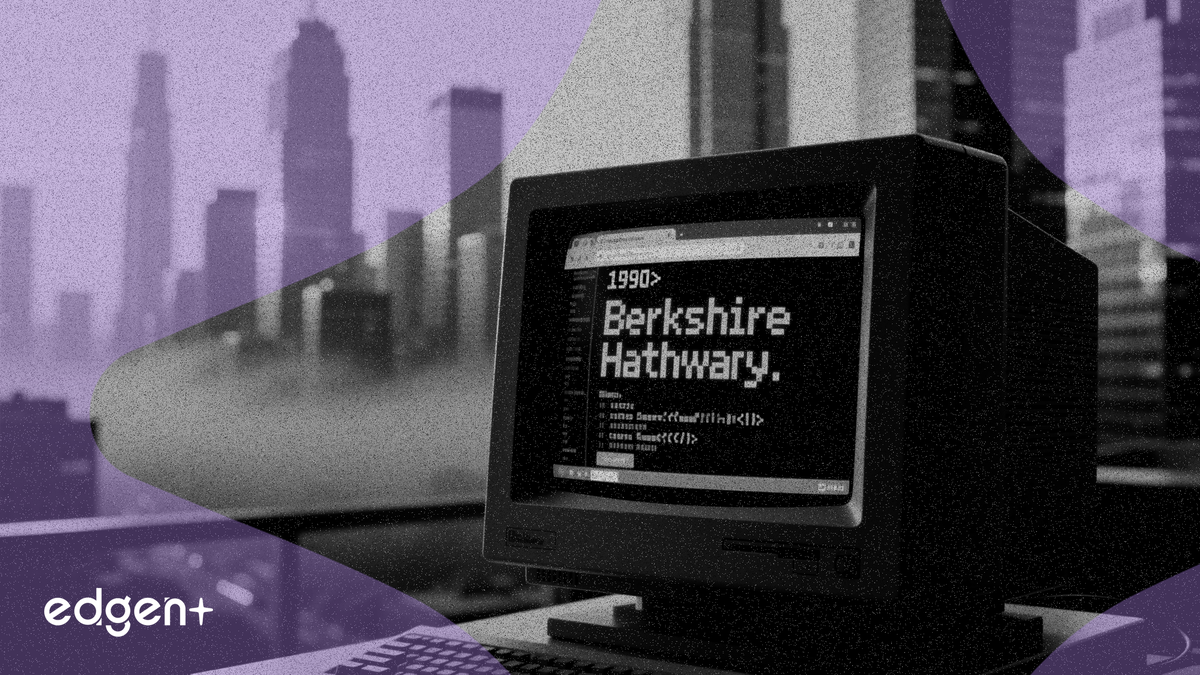
(P1) Berkshire Hathaway Inc.'s (BRK.A, BRK.B) famously minimalist website, a relic of 1990s design, stands as a powerful symbol of the company's enduring "if it ain't broke, don't fix it" culture, a philosophy new Chief Executive Officer Greg Abel is widely expected to uphold. The single-page site, which features a simple list of links and no graphics, has become a cult favorite among the company's devoted shareholders.
(P2) "Don't mess with it," is the common sentiment among longtime attendees of Berkshire's annual meeting, who see the site as a reflection of Warren Buffett's no-frills approach to investing. The unadorned website is seen as a feature, not a bug, in the Berkshire ecosystem.
(P3) The discussion around the website's future comes as Greg Abel takes the helm from the 95-year-old Buffett, who stepped down as CEO at the start of the year. While Buffett remains involved in investment decisions, the day-to-day leadership of the over $900 billion conglomerate now rests with Abel. Berkshire's A shares are down about 6% since the start of the year, compared to a nearly 5% gain for the S&P 500.
(P4) The website's fate is more than a matter of digital aesthetics; it's a litmus test for the continuity of Berkshire's culture. Any change to the site could be interpreted as a departure from the company's core values of simplicity and long-term value, which have been instrumental in building its massive $373 billion cash pile and loyal investor base.
A Digital Moat
In an era of slick corporate branding and constant digital reinvention, Berkshire's website is an anomaly. It serves as a digital moat, protecting the company from the whims of fashion and reinforcing its image as a steadfast, no-nonsense investment vehicle. The site's primary function is to provide essential documents to shareholders, a task it accomplishes with brutal efficiency.
The transition to Abel's leadership has been a major focus for investors. While Buffett has handed over the microphone at the annual meeting, he continues to influence the company's investment strategy. In a recent interview, Buffett revealed he still communicates with Berkshire's director of financial assets daily. Abel, who now formally oversees 94% of the company's portfolio, has the final say on trades.
The Oracle's Enduring Influence
Buffett's enduring influence is also seen in Berkshire's recent investment activities. The company has continued to build its cash reserves and recently made its first share buyback in nearly two years, a $226 million repurchase that could signal that Buffett and Abel see the company's shares as undervalued.
The company's investment in Japanese insurer Tokio Marine Holdings and its increased stakes in Chubb and Chevron are also seen as classic Buffett moves, focusing on value and long-term cash flow. These moves, combined with the steadfast refusal to "modernize" its website, all point to a company that is confident in its identity and its place in the market. For Berkshire Hathaway, it seems, the medium is the message, and the message is one of unwavering consistency.
This article is for informational purposes only and does not constitute investment advice.