
Barilla Group agreed to acquire Goodles, the mac-and-cheese maker behind Here Comes Truffle, keeping the brand independent as the private Italian pasta company expands into premium better-for-you foods.
Barilla Group agreed to acquire Goodles, the mac-and-cheese maker behind Here Comes Truffle, keeping the brand independent as the private Italian pasta company expands into premium better-for-you foods.
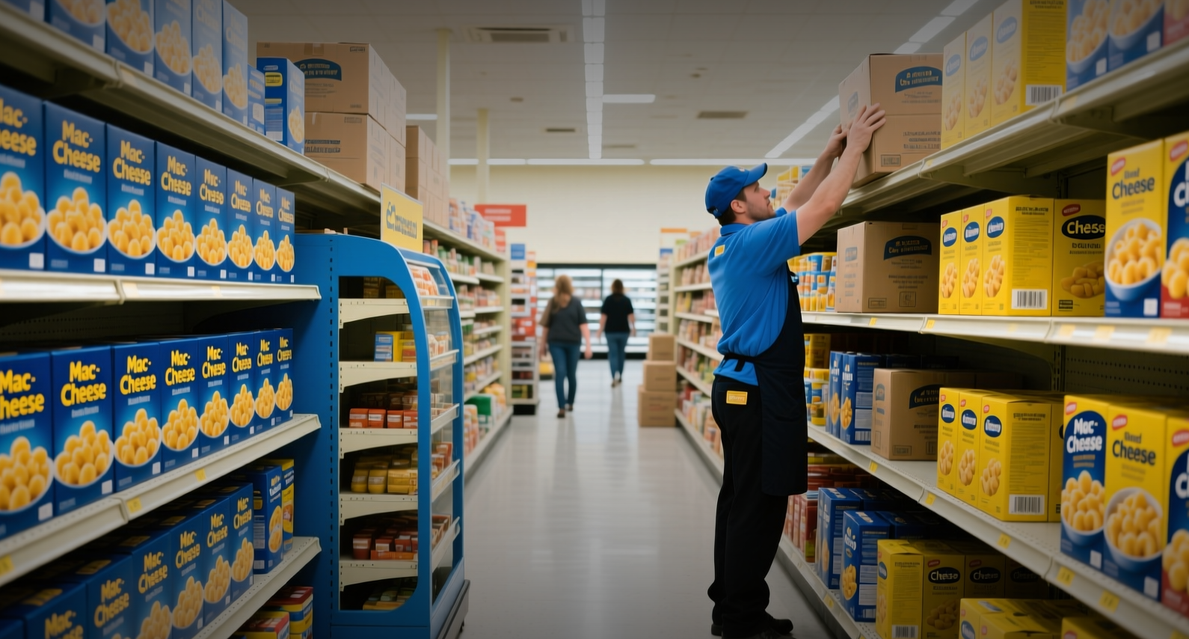
The private Italian pasta maker is extending beyond its core dried-noodle business into a category where consumers pay a premium for protein-forward comfort food. Barilla Group agreed September 2 to acquire Goodles, the mac-and-cheese brand known for flavors such as Here Comes Truffle, and will keep the label operating independently within its portfolio.
Financial terms were not disclosed, and Barilla, controlled by the founding family in Parma, does not report earnings publicly. The deal extends a wave of packaged-food consolidation that has seen at least $1 billion in a single transaction this year.
The acquisition follows a parallel move in the consumer health aisle, where private equity firm Yellow Wood Partners agreed to buy Nestlé's Holistic Health platform for $1 billion, adding Nature's Bounty, Nuun, Osteo Bi-Flex and Gard to a portfolio that already includes Chapstick, Suave and Q-tips. Yellow Wood plans to run Holistic Health as a standalone entity, mirroring the brand-preservation strategy Barilla is applying to Goodles.
"Operating Holistic Health as a standalone entity will provide the opportunity to leverage the power of each brand to accelerate growth, enhance innovation and strengthen their market positions with consumers and retail partners," Dana Schmaltz, partner at Yellow Wood, said of that transaction.
For Barilla, the Goodles deal marks a deliberate step beyond its core dried-pasta and sauce business into a category where consumers pay a premium for protein-forward, fiber-rich formulations. Goodles, founded in 2021, built its following on mac-and-cheese products that pair nostalgic comfort food with nutrition claims, a positioning that resonated with younger shoppers seeking better-for-you alternatives to legacy brands.
The deal structure — keeping Goodles independent rather than folding it into Barilla's existing brand architecture — reflects a broader shift in consumer packaged goods M&A. Buyers increasingly preserve the equity of acquired challenger brands rather than absorbing them, recognizing that the direct-to-consumer credibility and social media presence of newer labels can erode under corporate integration. Yellow Wood's carveout playbook, which has now executed six significant acquisitions from five major global consumer companies, follows the same logic.
The transaction also signals continued appetite for assets in the emerging better-for-you packaged foods niche, even as overall food and beverage deal volume has cooled from pandemic-era peaks. Private buyers — family-controlled companies like Barilla and financial sponsors like Yellow Wood — are stepping in where strategic acquirers have grown more selective, drawn to brands with clear consumer franchises and growth trajectories that larger portfolios cannot easily replicate.
For Goodles, the deal provides access to Barilla's global distribution network and supply chain scale while retaining the operational independence that defined its early growth. The brand's retail footprint, built primarily through grocery chains and e-commerce, stands to widen through Barilla's established relationships with food retailers across North America and Europe.
The acquisition is expected to close pending customary conditions. Barilla has not disclosed whether it plans additional acquisitions in the premium prepared-foods segment, but the Goodles purchase gives the company a beachhead in a category where Kraft Heinz and Campbell's have been expanding their own better-for-you offerings.
This article is for informational purposes only and does not constitute investment advice.
