

Baidu, amiral gemisi ERNIE 5.1 modelinin temel bir versiyonunu tamamen yerli donanım ve yazılım yığını üzerinde başarıyla eğiterek, kendi kendine yeten bir yapay zeka ekosistemi oluşturma yolunda büyük bir dönüm noktasına ulaştı.
Baidu, amiral gemisi ERNIE 5.1 modelinin temel bir versiyonunu tamamen yerli donanım ve yazılım yığını üzerinde başarıyla eğiterek, kendi kendine yeten bir yapay zeka ekosistemi oluşturma yolunda büyük bir dönüm noktasına ulaştı.
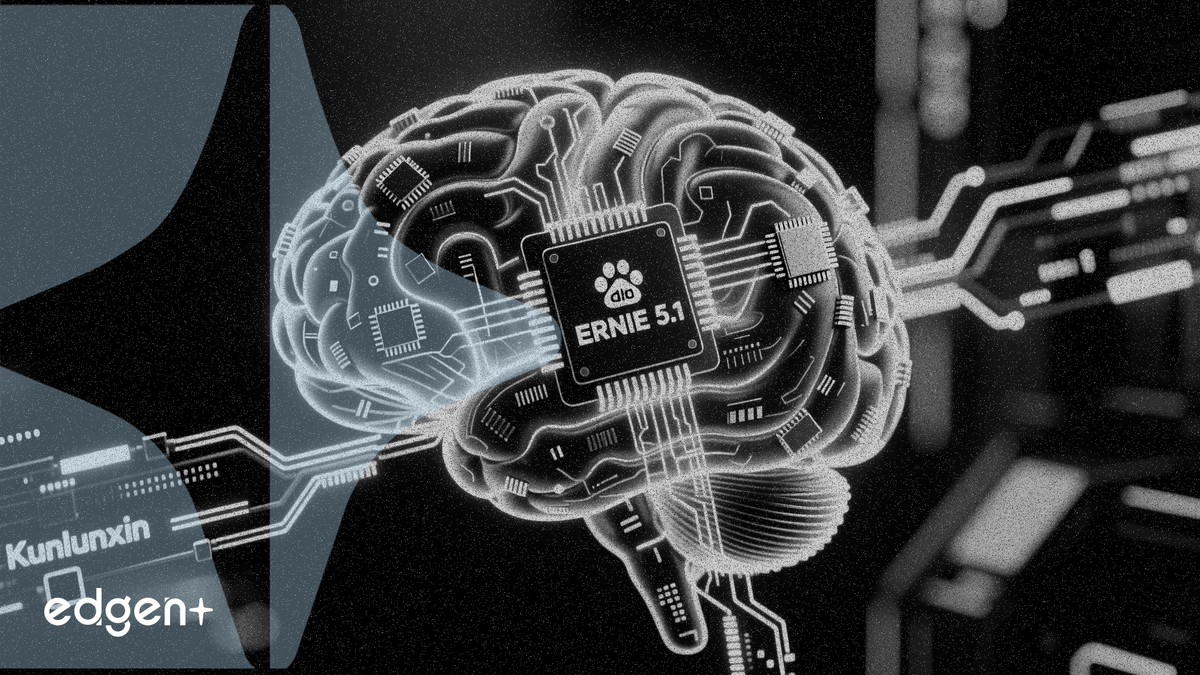
Baidu'nun Yapay Zeka Bulut Grubu başkanı Shen Dou, Create 2026 konferansında yaptığı açıklamada, yerli Kunlunxin yapay zeka hızlandırıcılarının büyük ölçekli dağıtıma ulaştığını, en gelişmiş dil modelinin tam eğitimini sağladığını ve yabancı donanıma olan bağımlılığı azalttığını duyurdu.
Shen, şirketin dikey olarak entegre edilmiş yapay zeka altyapısının performansını vurgulayarak, "Tamamen yerli Kunlunxin kümesi üzerinde şirket, ERNIE 5.1'in temel bir versiyonunun eğitimini başarıyla tamamladı" dedi.
Eğitim, geçen yıldan bu yana teslim edilen "çoklu on bin kartlı kümeler" ile büyük ölçekli doğrulamayı tamamlayan Baidu'nun Kunlunxin P800 çip kümeleri üzerinde gerçekleştirildi. Sistem, %97'lik bir genel etkin eğitim oranına ve on bin kartlı bir kümede %85'i aşan doğrusal ölçeklenebilirliğe ulaştı.
Bu başarı, Nvidia gibi yabancı çip üreticilerinin Çin'in yapay zeka gelişimindeki hakimiyetine doğrudan bir meydan okumadır. Donanımdan modele kadar uygulanabilir, yerli üretim bir yapay zeka yığınını kanıtlayan Baidu, kurumsal bulut pazarındaki konumunu güçlendiriyor ve Pekin'in stratejik teknolojik kendi kendine yeterlilik hedefiyle uyumlu hale geliyor.
Donanım yeteneklerini daha da genişleten Baidu, Haziran ayında Tianchi 256 kartlı süper düğümünü piyasaya sürecek. Kunlunxin mimarisine dayanan bu yeni sistem, önceki nesle göre iş hacmi performansında %25'lik bir artış sunuyor. Süper düğüm, Baidu'nun kendi ERNIE modeline ek olarak DeepSeek, GLM ve MiniMax gibi ana akım Çin büyük dil modelleri için halihazırda uyarlanmış durumda ve bu da onu daha geniş Çin yapay zeka endüstrisi için çok yönlü bir platform haline getiriyor.
Baidu'nun Kunlunxin ile kaydettiği ilerleme, devam eden ABD-Çin teknoloji gerilimleri ve Çin'e gelişmiş yarı iletken ihracatına yönelik kısıtlamalar ortasında kritik bir öneme sahip. Nvidia ve AMD gibi şirketler Çin pazarına tedarik sağlamada engellerle karşılaşırken, Baidu rekabetçi bir alternatif inşa ediyor. Çipleri, bulut platformunu ve temel modelleri kontrol eden bu dikey entegrasyon, Çinli kurumsal müşterilere yapay zeka girişimleri için daha istikrarlı ve güvenli bir tedarik zinciri sunabilir. Alibaba ve diğer yerli rakiplerin modellerine doğrudan rakip olan ERNIE 5.1'in kendi silikonu üzerinde başarıyla eğitilmesi, bu strateji için güçlü bir kavram kanıtı görevi görüyor. Yüksek eğitim verimliliği ve ölçeklenebilirlik metrikleri, Baidu'nun yerli donanımının en son yapay zeka iş yüklerini idare edebilecek bir olgunluk düzeyine ulaştığını gösteriyor.
Bu makale yalnızca bilgilendirme amaçlıdır ve yatırım tavsiyesi teşkil etmez.
