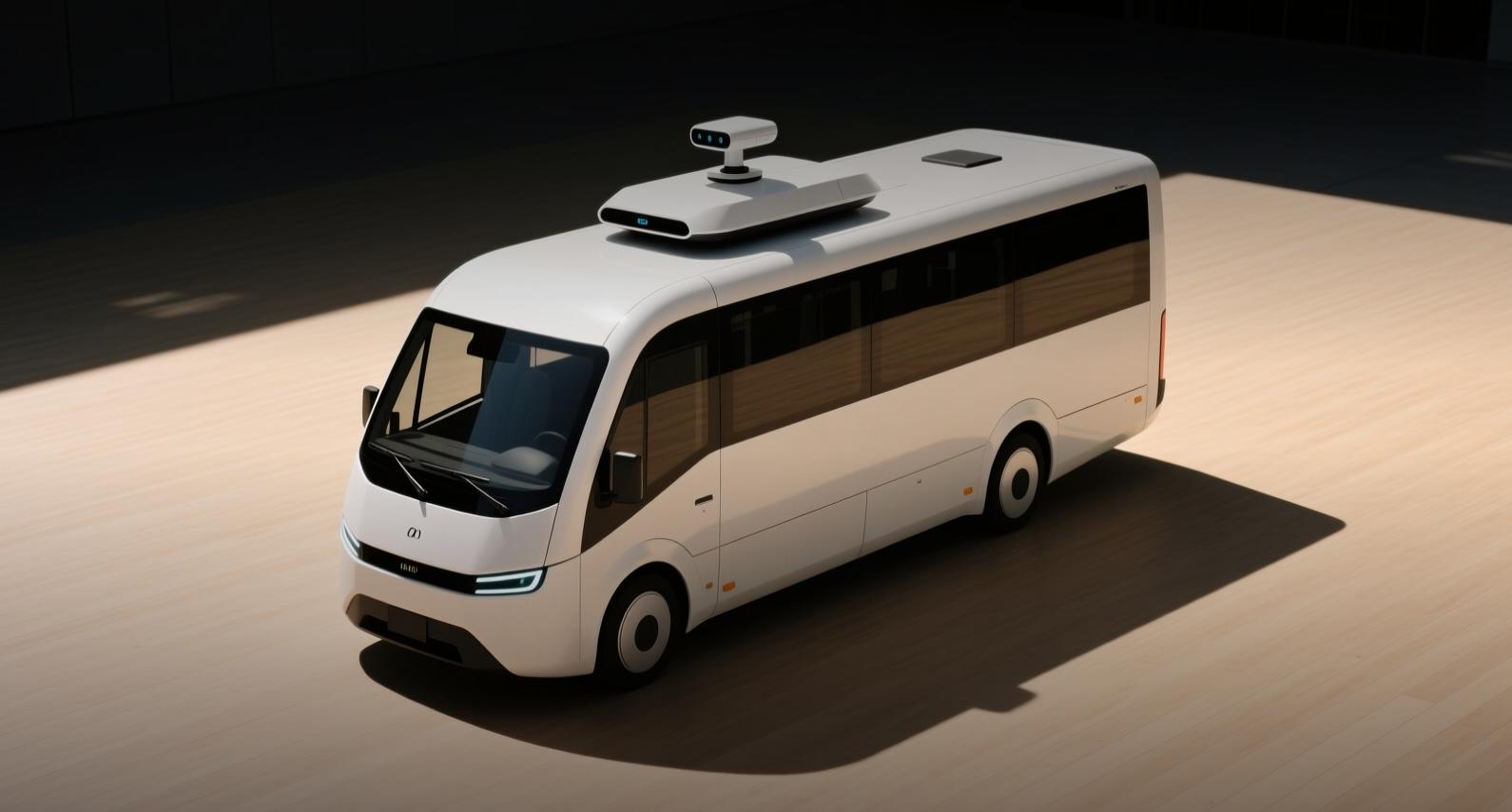
Hong Kong issued its first fully driverless test license to Baidu's Apollo Go, a global first for right-hand-drive autonomous operations.
Baidu's Apollo Go received Hong Kong's first unmanned driving test license on July 23, allowing fully driverless operations on Airport Island starting July 27 — the world's first public road autonomous driving test in a right-hand-drive, left-side traffic system.
"The autonomous vehicle tests have been ideal, safe and operating smoothly," Commissioner for Transport Winnie Tse Wing-yee said. The department approved removing human backup operators after the Airport Island project achieved four technological breakthroughs, she said.
Hong Kong has issued eight pilot licenses covering 65 autonomous vehicles across trial areas on Hong Kong Island, Kowloon and the New Territories, all using Level 4 highly automated driving technology. The Airport Island project demonstrated multi-vehicle concurrent operation, carriage of designated passengers, expanded routes and higher driving speeds. Test vehicles must display a standard autonomous vehicle label and a driverless testing label, carry third-party risk insurance and be fitted with an electronic data recorder. The licensee must submit monthly reports on the driverless trials, while the department will conduct regular site inspections and monitor operations at the remote control center.
The milestone gives Baidu a regulatory beachhead in a right-hand-drive market, creating a template for expansion into the UK, Japan, Australia and Singapore — jurisdictions where Waymo and Tesla have yet to launch fully driverless operations. Since February, autonomous vehicle trials on Airport Island were required to have a person inside the car, with a second operator monitoring remotely from a control center. The latest arrangement removes the human entirely.
The Hong Kong license follows Baidu's broader push to commercialize Apollo Go outside mainland China, where the platform has already completed millions of rides across multiple cities. Waymo operates fully driverless services in San Francisco and Phoenix but has not entered any right-hand-drive market. Tesla has demonstrated its Full Self-Driving technology in left-hand-drive markets but has not received regulatory approval for driverless operations in any jurisdiction.
For investors, the Hong Kong approval signals that Baidu's autonomous driving unit is gaining regulatory traction beyond China, potentially unlocking a total addressable market that includes more than 60 countries that drive on the left. Baidu trades at about 12 times forward earnings, a discount to US tech peers, partly because of uncertainty around its autonomous driving monetization timeline. The Hong Kong Transport Department's Autonomous Vehicle Applications Promotion Working Group, chaired by Tse, will continue reviewing the trials and promoting the integration of digital technology and artificial intelligence into public transport.
This article is for informational purposes only and does not constitute investment advice.