
Asian LNG spot prices more than doubled to $25.908 per million British thermal units, the highest since December 2022, as renewed US-Iran strikes threatened the Strait of Hormuz transit route carrying about a fifth of global supply.
Asian LNG spot prices more than doubled to $25.908 per million British thermal units, the highest since December 2022, as renewed US-Iran strikes threatened the Strait of Hormuz transit route carrying about a fifth of global supply.
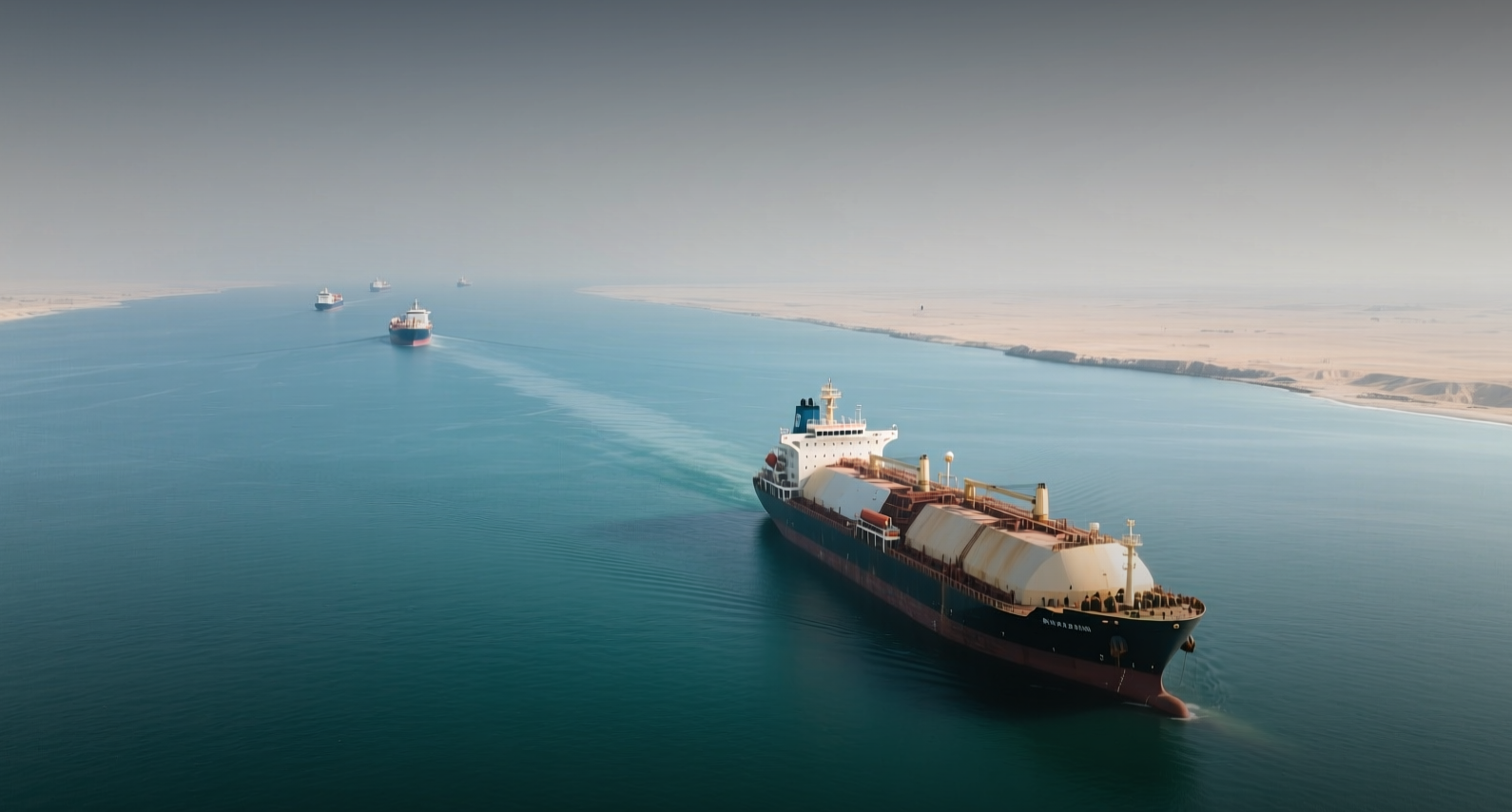
The resumption of US-Iran strikes around the Strait of Hormuz has upended Asian gas markets, with spot LNG climbing to $25.908 per million British thermal units late Wednesday — a level not seen since December 2022 and more than double what buyers paid before the war started in late February.
"The U.S. is trying to reinstall some kind of confidence into the global oil markets … and the Iranians had to respond to that by reinserting insecurity and doubt," said Sascha Bruchmann, an analyst at the International Institute for Strategic Studies' Middle East office in Bahrain.
Spot LNG for delivery to Asia traded at $25.908 per mmBtu late Wednesday, up more than 5 percent on the week, according to traders. Brent crude, the international benchmark, has climbed to about $95 a barrel, up more than 30 percent since the start of the war. QatarEnergy has extended force majeure on its LNG deliveries into November while transits through the strait remain blocked, and utilities in South Korea, India, Taiwan and Bangladesh are seeking spot cargoes for October and November.
Roughly a fifth of the world's LNG supply transits the Strait of Hormuz, so sustained disruption hits import-dependent Asian economies hardest. Pakistan, already facing rolling blackouts, rejected an emergency tender after BP offered a cargo above $27 per mmBtu. With demand rising seasonally and no end to the conflict in sight, prices could climb further and price out buyers with limited fiscal room.
The latest escalation broke a monthlong lull in fighting. The US military escorted 40 commercial vessels carrying 18 million barrels of oil through the strait on Tuesday, a wartime high, while striking nearly 60 Iranian targets including air defense sites, radar systems and mine-laying capabilities, according to two US officials. Trump said the strikes went beyond radar to eliminate Iran's ability to track ships through the waterway. "They can't see it because they have no radar, because we blew it up," he said from the Oval Office.
Before the war, roughly 20 million barrels of oil and about a fifth of global LNG transited the strait daily. LNG tankers have shown even more caution than oil carriers because of the potentially catastrophic consequences of a strike on a vessel carrying liquefied gas, one US official said. QatarEnergy's force majeure, extended into November, has cut term supply to South Asian buyers that now must chase spot cargoes at record prices. The last time Asian spot LNG traded above $25 per mmBtu was December 2022, when Europe's scramble for gas after Russia's invasion of Ukraine sent prices to records.
Pakistan's state gas buyer rejected an emergency procurement after BP offered a cargo above $27 per mmBtu, worsening electricity shortages across the country. Bangladesh, India and other importers face similar pressure as northern-hemisphere winter demand approaches. The premium for shipping through the strait has pushed tanker charter rates above $500,000 a day, adding to the cost of every cargo that does move.
The conflict shows no sign of resolving. Iran fired on US allies Kuwait and Bahrain this week, and its currency hit a record low of 2.2 million rials per dollar. Trump said he would not force Iran to the bargaining table. "I couldn't care less if they sign a worthless, to them, agreement," he wrote on social media. Analysts warn either side could escalate to full-scale war to break the cycle.
For Asian economies with limited fiscal space, the cost is mounting. Higher LNG prices feed into electricity bills and inflation across the region, and the risk premium on Hormuz transits shows no sign of easing. If the conflict persists into winter, spot prices could test new highs and force more buyers out of the market.
This article is for informational purposes only and does not constitute investment advice.
