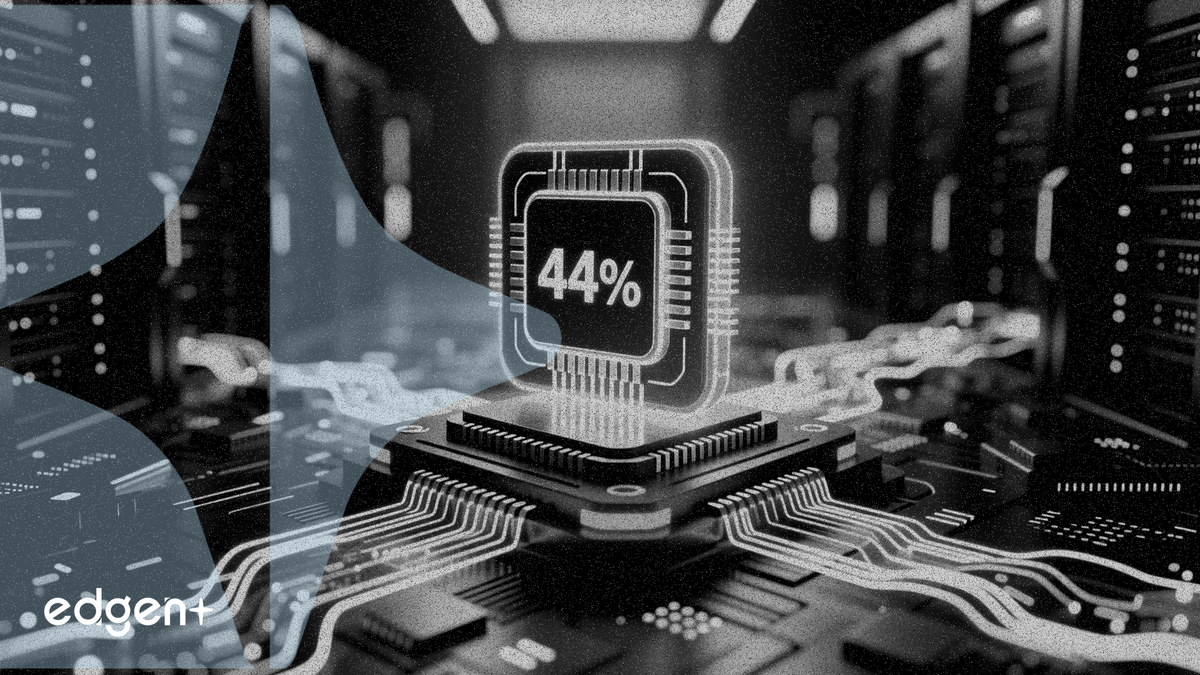
Một dự báo mới của Bank of America dự đoán thị trường CPU máy chủ sẽ tăng gần gấp ba lần lên 125 tỷ USD vào năm 2030, gây ra một sự thay đổi địa chấn về thị phần từ các ông lớn x86 sang silicon tùy chỉnh dựa trên ARM.
Thị trường CPU máy chủ được thiết lập cho tốc độ tăng trưởng kép hàng năm là 31% khi khối lượng công việc AI đại lý (agentic AI) vượt ra ngoài việc huấn luyện tập trung vào GPU, với các thiết kế dựa trên ARM dự kiến sẽ chiếm khoảng 44% thị trường vào năm 2030, theo một báo cáo mới của Bank of America. Sự mở rộng nhanh chóng này, từ con số ước tính 43 tỷ USD vào năm 2026, phản ánh sự thay đổi cơ bản trong vai trò của CPU trong trung tâm dữ liệu. Trong khi GPU thống trị kỷ nguyên huấn luyện AI, giai đoạn tiếp theo của AI đại lý — nơi các hệ thống quản lý các nhiệm vụ phức tạp, đa bước như lập kế hoạch, gọi công cụ và truy cập cơ sở dữ liệu — về mặt cấu trúc phụ thuộc nhiều hơn vào việc điều phối do CPU thúc đẩy.
"CPU trở thành 'mặt phẳng điều khiển của suy luận AI', xử lý việc điều phối và quản lý bộ nhớ trên các quy trình làm việc đa bước ngày càng phức tạp," các nhà phân tích của Bank of America do Vivek Arya dẫn đầu cho biết trong một ghi chú đã tạo ra làn sóng chấn động trong lĩnh vực bán dẫn.
Dự báo cho thấy tổng thị trường CPU máy chủ sẽ tăng lên 125 tỷ USD vào năm 2030. Trong đó, thị phần của Intel dự kiến sẽ sụp đổ từ 54% vào năm 2025 xuống còn 28%, trong khi đối thủ AMD giữ vững ở mức 28%. Những mức tăng đáng kể nhất được dự báo cho các chip tùy chỉnh dựa trên ARM, như những chip do AWS, Google và Microsoft thiết kế, dự kiến sẽ tăng từ khoảng 15% thị trường hiện nay lên thị phần thống lĩnh 37%.
Sự thay đổi cấu trúc này đe dọa trực tiếp đến sự thống trị trung tâm dữ liệu lịch sử của Intel và mang lại lợi ích cho ARM, đơn vị có mô hình dựa trên bản quyền sẵn sàng cho đòn bẩy hoạt động đáng kể khi kiến trúc của họ mở rộng trong thị trường trung tâm dữ liệu giá trị cao. Đối với các nhà đầu tư, báo cáo đưa ra một sự phân hóa rõ ràng, khuyến nghị AMD và Nvidia trong khi nhấn mạnh các rủi ro dài hạn nghiêm trọng đối với Intel khi các khách hàng lớn nhất của họ ngày càng tự thiết kế chip riêng.
AI đại lý định nghĩa lại vai trò của CPU
Trong nhiều năm, vai trò chính của một CPU máy chủ trong hệ thống AI là cung cấp dữ liệu cho các bộ tăng tốc GPU mạnh mẽ thực hiện công việc nặng nhọc là huấn luyện mô hình. Như Bank of America lưu ý, điều này dẫn đến việc các bộ tăng tốc AI chiếm 88% chi tiêu tính toán của trung tâm dữ liệu vào năm 2025, với CPU chỉ chiếm 12%.
Tuy nhiên, sự trỗi dậy của AI đại lý đã đảo ngược kịch bản này. Thay vì một tính toán đơn lẻ, khổng lồ, các hệ thống này thực hiện một chuỗi các nhiệm vụ nhỏ hơn: truy xuất dữ liệu thông qua thế hệ tăng cường truy xuất (RAG), truy vấn cơ sở dữ liệu vector, gọi các công cụ bên ngoài và quản lý trạng thái. Trong khi GPU có thể được gọi cho các bước suy luận mô hình cụ thể, CPU chịu trách nhiệm điều phối toàn bộ quy trình làm việc này. Nhu cầu gia tăng này không dành cho các CPU máy chủ đơn lẻ bên trong giá đỡ GPU, mà dành cho toàn bộ các giá đỡ chỉ chứa CPU dành riêng cho việc điều phối, xử lý dữ liệu và chạy các mô hình nhỏ hơn, một phân khúc mà hiệu quả và khả năng tùy chỉnh của ARM mang lại lợi thế then chốt.
Bản đồ thị trường mới: Người thắng và kẻ thua
Dự báo năm 2030 của Bank of America vẽ nên một bức tranh rõ rệt về bối cảnh cạnh tranh mới:
-
Intel (INTC): Kẻ thua cuộc lớn nhất, với thị phần giá trị CPU máy chủ dự kiến sẽ giảm một nửa xuống còn 28%. Công ty phải đối mặt với một cuộc chiến trên hai mặt trận, mất thị phần đám mây vào tay các chip ARM tùy chỉnh và thị phần x86 doanh nghiệp vào tay một AMD đang trỗi dậy.
-
AMD (AMD): Người chiến thắng trong phe x86, AMD được kỳ vọng sẽ tiếp tục chiếm thị phần từ Intel, đạt đỉnh khoảng 38% vào năm 2026 trước khi ổn định ở mức 28% vào năm 2030 khi bước tiến của ARM tăng tốc. BofA duy trì sự ưu tiên đối với AMD như là công ty x86 mạnh nhất.
-
ARM Holdings (ARM): Người thụ hưởng dài hạn chính. Báo cáo dự báo CPU ARM tùy chỉnh (AWS Graviton, Google Axion, Microsoft Cobalt) sẽ là phân khúc tăng trưởng nhanh nhất. Điều này phù hợp với một ghi chú gần đây của Bernstein bắt đầu đưa tin với giá mục tiêu 300 USD, trích dẫn lượng đơn đặt hàng tồn đọng trị giá hơn 2 tỷ USD cho silicon tùy chỉnh và tính kinh tế vượt trội của tỷ lệ bản quyền trung tâm dữ liệu so với di động.
-
Nvidia (NVDA): Nvidia đang định vị mình đứng ngoài cuộc chiến. Với CPU 'Vera' sắp tới được thiết kế để tích hợp vào một hệ thống toàn diện với GPU và mạng của mình, công ty không chỉ bán một con chip mà là toàn bộ kiến trúc, giúp nó cách ly khỏi cuộc chiến trực tiếp giữa x86 và ARM.
Triển vọng này từ Bank of America gợi ý một sự đánh giá lại cơ bản về bối cảnh bán dẫn. Trong khi Intel đối mặt với một trận chiến phòng thủ khó khăn, AMD, ARM và Nvidia được định vị để nắm bắt giá trị từ một thị trường trung tâm dữ liệu định hướng AI lớn hơn và phức tạp hơn nhiều.
Bài viết này chỉ nhằm mục đích cung cấp thông tin và không cấu thành lời khuyên đầu tư.