


Apple's pursuit of a 15x reduction in on-device AI memory demands could upend the pricing power behind Micron's historic earnings surge.
Apple's pursuit of a 15x reduction in on-device AI memory demands could upend the pricing power behind Micron's historic earnings surge.
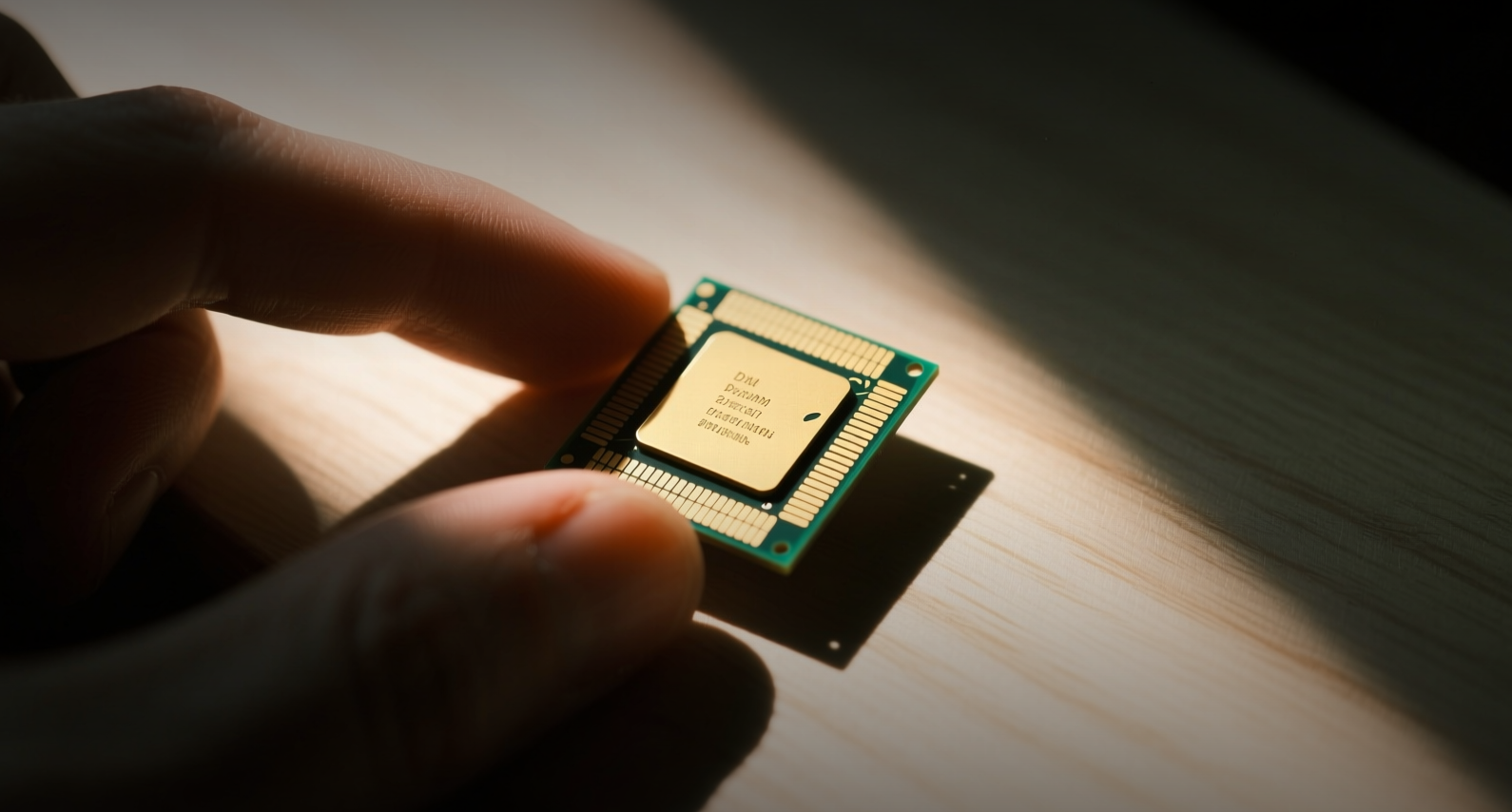
Apple's pursuit of a 15x reduction in on-device AI memory demands could upend the pricing power behind Micron's historic earnings surge.
Apple is in talks with AI startup PrismML to cut on-device memory demands by as much as 15x, a technology that threatens the memory-chip shortage fueling Micron's 74% gross margins and $25.11 per share in quarterly earnings.
"DRAM and NAND industry demand continues to significantly exceed industry supply. We expect tight conditions to persist beyond calendar 2027," Sanjay Mehrotra, chief executive officer of Micron, told analysts on the company's June 24 earnings call.
Micron's fiscal Q3 2026 revenue surged 345.7% to $41.46 billion, with non-GAAP earnings per share of $25.11 — up more than 1,200% from a year earlier. The company guided Q4 revenue to $50 billion with gross margins near 86%. It has shipped more than $1 billion in HBM4 revenue and locked 16 strategic customer agreements covering roughly $100 billion in remaining performance obligations. Shares trade at $853.20, down 14% from a week ago but still up 199% year to date.
If Apple or other tech giants adopt memory-efficient AI processing, the pricing power that has driven Micron's rally could erode. The memory processor market is still projected to grow from $230 billion in 2025 to more than $1 trillion next year, but any efficiency breakthrough in on-device AI could compress the segment most exposed to Apple's product cycle.
Apple raised prices on many devices by $200 or more this year to offset rising memory costs, and it may increase iPhone prices for the same reason later this year. The company's incentive to find alternatives is clear. PrismML claims its technology reduces memory usage for AI models by up to 15x while delivering responses as much as 8x faster. No deal has been finalized, but the talks signal Apple's intent to reduce its dependence on expensive memory chips for on-device AI features like Siri.
The competitive landscape
Micron's peers confirm the industry's pricing power. Sandisk posted fiscal Q3 non-GAAP EPS of $23.41 on revenue up 251% year over year, with gross margins at 78.4%. Western Digital, now a pure hard-disk-drive business after the Sandisk spinoff, grew revenue 45.5% to $3.34 billion with gross margins above 50% for the first time in years. Both companies ride the same AI storage tailwind, though at lower absolute margins than Micron.
What it means for investors
Micron's bull case rests on a structural supply shortage that CEO Mehrotra says extends beyond 2027. The company is spending roughly $27 billion in capital expenditures this fiscal year to build cleanroom capacity in Idaho and New York. KeyBanc raised its price target to $1,750 during the recent pullback, implying more than 100% upside from current levels.
The bear case centers on two risks: Chinese competitor CXMT's $8.5 billion IPO, which could add DRAM supply, and the possibility that major customers like Apple find ways to do more with less memory. Even if PrismML's technology takes years to scale, the direction of travel is clear — tech giants are motivated to reduce memory costs, and any success could compress the margins that have made Micron one of the best-performing semiconductor stocks of 2026.
This article is for informational purposes only and does not constitute investment advice.
