

Apple is preparing to unveil its first new Mac mini in nearly two years, with the desktop expected to debut before the September iPhone 18 Pro event.
Apple is preparing to unveil its first new Mac mini in nearly two years, with the desktop expected to debut before the September iPhone 18 Pro event.
Apple is preparing to launch a new Mac mini within days, its first major update in nearly two years, as the company tests both M5 and M6 chip configurations.
"Apple has tested versions of the Mac mini with both the M5 and M6 generations of its processor line," Mark Gurman of Bloomberg said. The new desktop could be Apple's final product unveiled before Tim Cook steps down as CEO on September 1, which would require an announcement before August ends.
The current Mac mini ships with M4 or M4 Pro chips, 16GB to 48GB of RAM, and up to 8TB of storage. Apple stopped offering the 256GB model at $599 in May, then reintroduced it at $799 in late June after raising prices across its Mac and iPad lineup. Delivery estimates currently run 4-10 weeks on Apple's online store in the U.S. as demand for on-device AI models collides with a memory chip shortage.
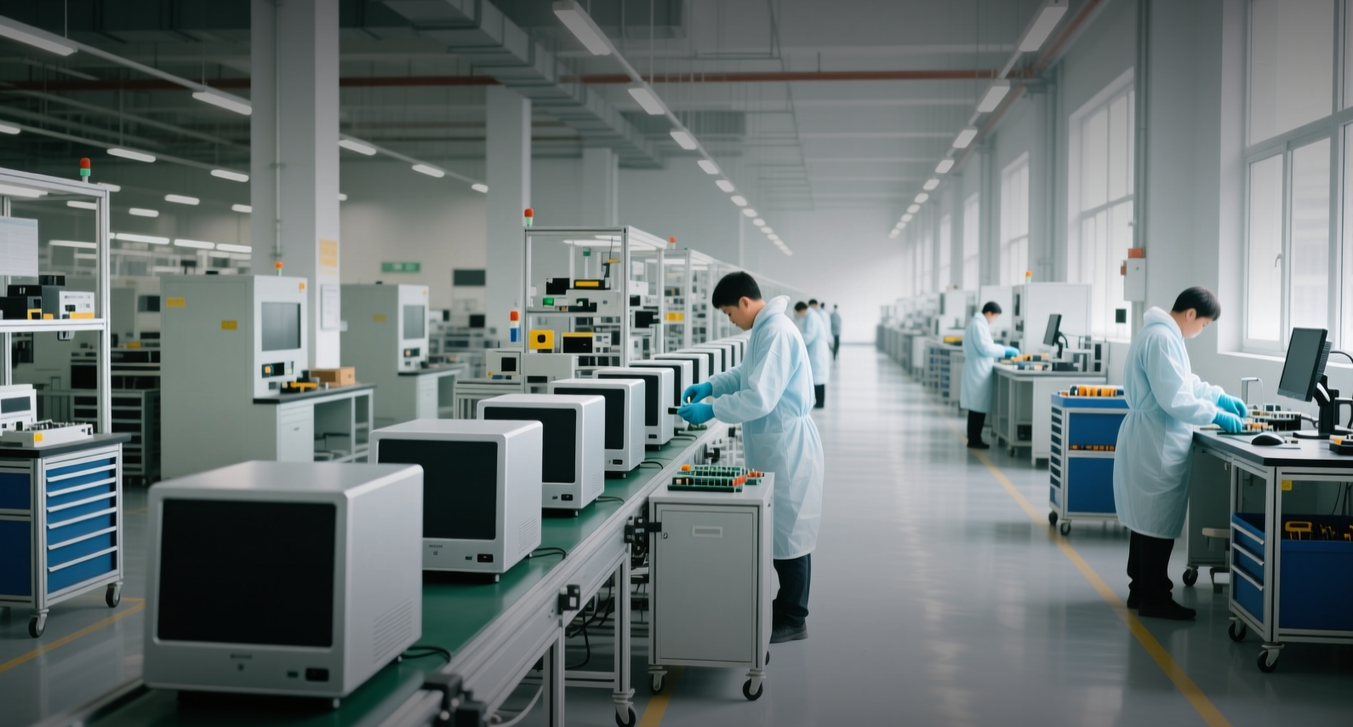
The launch carries strategic weight beyond the product itself. Apple opened its Houston Advanced Manufacturing Center this month, where Foxconn will begin assembling Mac mini units later this year — a U.S. production shift that could reshape Apple's supply chain narrative. The Mac mini has become a popular entry point for running local AI models, and the new model's chip choice will determine whether Apple can capitalize on that demand.
The Mac mini's timing is unusual. Apple typically refreshes its desktop lineup in the fall alongside new iPhones, but Gurman's report suggests the company is pulling the launch forward. The move could reflect supply chain pressure — the Mac mini has faced extended delivery estimates for months — or a desire to clear the deck before Cook's departure.
The chip question is central. If Apple ships the Mac mini with an M5 chip, it would mark a modest generational step from the current M4. An M6 would be a more significant leap, but it would also be unusual for Apple to debut its newest silicon in the Mac mini before the MacBook Pro and iMac lines. Gurman noted that upcoming iMac and MacBook Pro refreshes will use M6 chips, suggesting the Mac mini could arrive with M5 to avoid cannibalizing those launches.
The supply chain story adds another layer. Apple's Houston facility, which opened this month with Cook and U.S. government officials in attendance, is slated to begin Mac mini assembly later this year. The company has invested hundreds of millions of dollars in the site in less than nine months, and it already produces AI servers there. If the new Mac mini is the model destined for Houston production, the announcement could double as a U.S. manufacturing showcase.
The Mac mini's popularity for on-device AI workloads has created an unusual bottleneck. The machine's combination of Apple silicon, unified memory, and relatively low entry price has made it a go-to device for developers running local language models. That demand, combined with a global memory chip shortage, has pushed delivery estimates to 4-10 weeks depending on configuration.
Apple's pricing moves this year reflect the pressure. The company dropped the $599 256GB configuration in May, then brought it back at $799 in June after raising prices across its entire Mac and iPad lineup. The new model's pricing will signal whether Apple sees the Mac mini as a volume play or a margin opportunity.
Apple shares have been supported by the broader AI narrative, and the Mac mini refresh adds another data point to the company's product cycle momentum. The second half of 2026 also brings new Apple Watch models, AirPods, and a smart home device with facial recognition — a full product slate that could drive revenue acceleration into the holiday quarter.
The competitive frame matters too. The Mac mini competes directly with Windows-based mini PCs from Dell, HP, and Lenovo, as well as Nvidia's push into desktop AI workstations. If Apple prices the new model aggressively, it could pressure the low-end desktop market while cementing the Mac mini's position as the default choice for local AI inference.
This article is for informational purposes only and does not constitute investment advice.
