
Anthropic'in altyapı ortaklarını geleneksel bulut sağlayıcılarının ötesine taşıyarak çeşitlendirmesiyle, yapay zeka işlem gücü yarışı yörüngeye taşınıyor.
Anthropic'in altyapı ortaklarını geleneksel bulut sağlayıcılarının ötesine taşıyarak çeşitlendirmesiyle, yapay zeka işlem gücü yarışı yörüngeye taşınıyor.
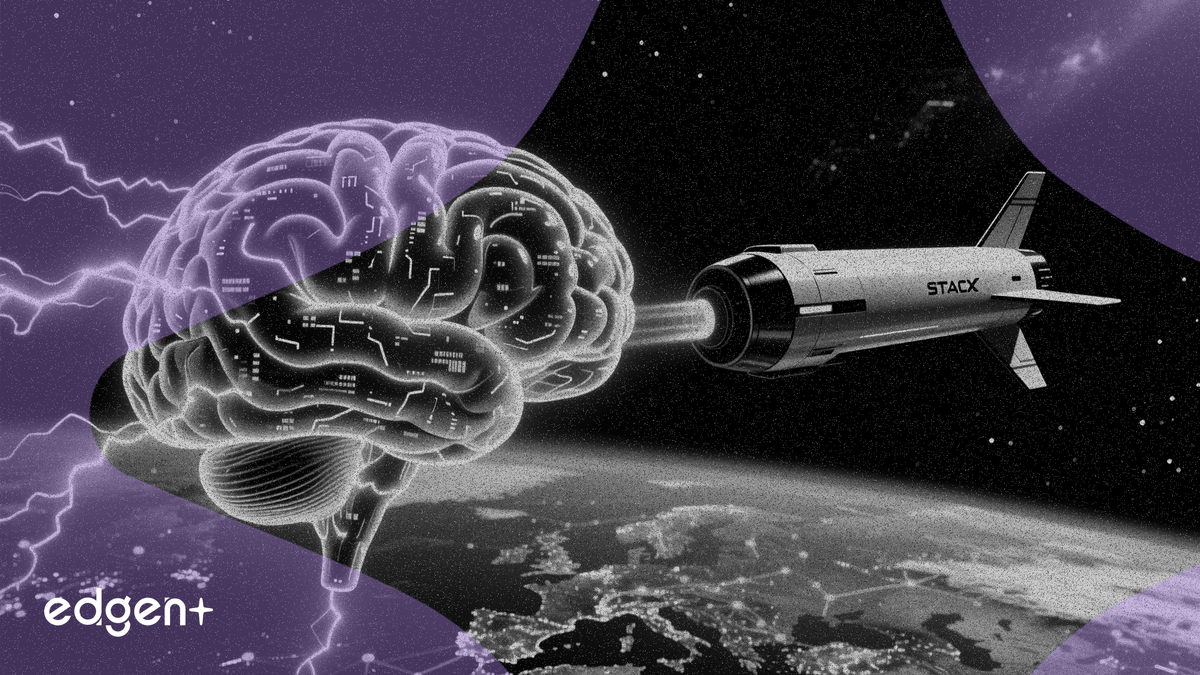
Anthropic, yeni nesil yapay zeka modelleri için gereken devasa hesaplama gücünü güvence altına almak amacıyla en az yedi teknoloji devinden oluşan milyarlarca dolarlık bir ağa SpaceX'i stratejik bulut sağlayıcısı olarak ekliyor. Yakın zamanda duyurulan bu anlaşma, büyük ölçekli ve çeşitlendirilmiş hesaplama kaynaklarına erişimin, daha güçlü yapay zeka inşa etme yarışında birincil faktör haline geldiği kritik bir endüstri trendinin altını çiziyor.
Bu hamle, Anthropic'in agresif altyapı anlaşmaları serisinin en sonuncusu. Yapay zeka girişimi; kamuya açık duyurular ve raporlara göre Amazon, Google, Microsoft, Broadcom ve Nvidia dahil olmak üzere en az yedi büyük teknoloji firmasından hesaplama kapasitesi sağlamış durumda. Bu strateji, büyük ölçekli yapay zeka için gereken özel donanımlara yönelik güçlü ve artan talebi yansıtıyor.
SpaceX anlaşmasının finansal şartları açıklanmasa da, bu adım Anthropic'in Amazon'dan aldığı 4 milyar dolarlık devasa yatırımı ve Google'dan gelen 2 milyar dolarlık taahhüdü takip ediyor. Bu agresif, çoklu bulut yaklaşımı, gelişmiş yapay zeka sistemlerinin eğitimi ve yayına alınması için gerekli olan özel grafik işlem birimlerine (GPU'lar) ve özel yapay zeka hızlandırıcılarına erişimi çeşitlendirmeyi amaçlıyor.
Yapay zeka endüstrisi için bu durum, çeşitlendirilmiş ve büyük ölçekli hesaplama erişiminin birincil rekabet avantajı haline geldiği kritik bir değişime işaret ediyor. SpaceX'i bünyesine katarak Anthropic sadece daha fazla kapasite kazanmakla kalmıyor, aynı zamanda altyapı darboğazlarına karşı önlem alıyor ve duyuruda belirtilen potansiyel uzay tabanlı yapay zeka geliştirme dahil olmak üzere yeni uygulamaları keşfediyor.
Anthropic'in bir hesaplama sağlayıcıları koalisyonu kurma stratejisi, yapay zeka hakimiyeti için verilen yoğun rekabete doğrudan bir yanıttır. Tek bir sağlayıcıya, hatta en büyük bulut devlerinden birine bile güvenmek; satıcıya bağımlılık, tedarik zinciri kesintileri ve potansiyel kapasite yetersizliği riskleri yaratır. Amazon'un AWS'i, Google Cloud, Microsoft Azure ve şimdi de SpaceX ile çalışan Anthropic; Nvidia'nın pazar lideri GPU'larından Google'ın özel Tensor İşleme Birimlerine (TPU'lar) ve Amazon'un Trainium çiplerine kadar çeşitli donanım mimarilerine erişebilmesini sağlıyor.
Öncü yapay zeka modellerini eğitmenin maliyeti ve karmaşıklığı artmaya devam ederken, bu altyapı odaklı büyüme stratejisi hayati önem taşıyor. Bir dizi ortaktan milyarlarca dolarlık hesaplama kapasitesi sağlamak, Anthropic'e Microsoft tarafından yoğun şekilde desteklenen OpenAI gibi rakiplerle doğrudan rekabet edebilecek esneklik ve ölçeği sağlıyor. Ortaklık ağına Broadcom ve Nvidia gibi donanım üreticilerinin dahil edilmesi, gelecekteki çip tasarımları ve tedariki konusunda daha derin bir iş birliğine gidileceğine de işaret ediyor.
SpaceX ile olan ortaklık, yapay zeka altyapı ortamına benzersiz bir boyut kazandırıyor. Anlaşma açıkça "uzay geliştirme" faaliyetlerini içeriyor ve yapay zekanın karasal veri merkezlerinin ötesindeki gelecekteki uygulamalarına işaret ediyor. Bu, Anthropic modellerinin SpaceX'in Starlink uydu takımyıldızı tarafından üretilen devasa miktardaki veriyi işlemek veya uzay araştırmaları ve lojistik için otonom sistemler geliştirmek amacıyla kullanılmasını içerebilir.
Bu iş birliği, en ileri iki teknolojik sınırın birleşmesini temsil ediyor. Yatırımcılar için, Anthropic ve SpaceX özel şirketler olarak kalsa da, halka açık ortaklar ve rakipler için sonuçlar oldukça önemli. Anlaşma, Anthropic'in ana destekçileri Amazon (AMZN) ve Google (GOOGL) için yatırım tezlerini güçlendirirken, Microsoft (MSFT) ve OpenAI'a yaptığı yatırım üzerindeki rekabet baskısını artırıyor. Bu hamle, yapay zekanın geleceğinin sadece algoritmalardan ibaret olmadığını, aynı zamanda onlara güç veren küresel ve hatta dünya dışı altyapılarla ilgili olduğunu vurguluyor.
Bu makale sadece bilgilendirme amaçlıdır ve yatırım tavsiyesi niteliği taşımaz.
