
A generation of wealthier, passport-holding Americans took a record 24 million trips to Europe in 2025, reshaping the continent's tourism economy.
A generation of wealthier, passport-holding Americans took a record 24 million trips to Europe in 2025, reshaping the continent's tourism economy.
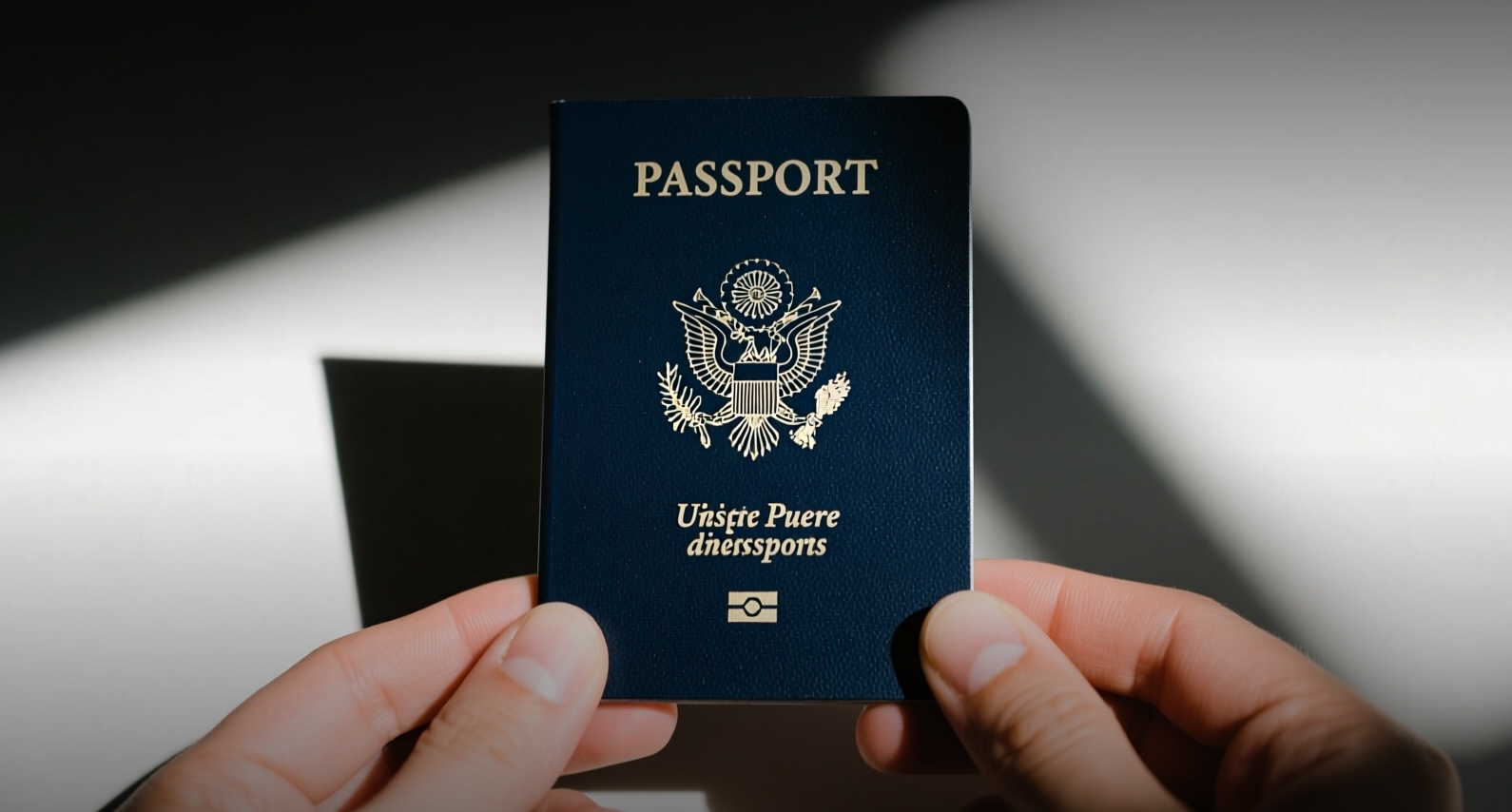
Americans took a record 24 million trips to Europe in 2025, a surge driven by rising wealth and a supercharged U.S. economy that has turned a nation of homebodies into the continent's biggest-spending visitors.
"Travel isn't optional, it's essential, especially for younger people," said Audrey Hendley, president of American Express Travel, whose bookings rose 22 percent in the past year.
Portugal received nearly five times the number of U.S. visitors last year as a decade earlier, and Greece four times as many. More than half of Americans now hold passports, up from fewer than 5 percent in 1990, and the U.S. issued a record 27 million passports in fiscal 2025. Consulting firm Tourism Economics expects American visits to Europe to rise another 5 percent by year-end.
The influx is boosting European economies even as it strains infrastructure and housing, with tens of thousands protesting overtourism in Mallorca last month and Barcelona receiving nine times as many tourists as residents. Governments from Italy to Portugal are weighing limits on short-term rentals and cruise ships, a Catch-22 for cities that now depend on American spending of nearly $350 a day in Spain, well above the roughly $200 spent by Germans.
The wealth behind the wanderlust
Older Americans, who hold about $110 trillion in wealth, are driving the new era of travel, living longer and looking to make the most of those years. Al Lenza, a semiretired 70-year-old who estimates he has taken 500 trips in 50 years, said he and his wife spend between $100,000 and $200,000 on travel annually. "You have more time and more money," he said. "The clock is running out."
The shift reflects a generation of wealth creation that has coincided with cheaper airfares and easier access. Open-skies agreements deregulated international routes starting in the 1990s, cutting costs; a round-trip weekend fare between New York and London on Pan Am cost $669 in 1984, today's equivalent of about $2,150. Economy airfare to Europe has still risen 56 percent over the past decade, more than inflation, with the average one-way ticket from the U.S. costing $588 this year, up from $533 in 2025, according to aviation-analytics company Cirium.
Younger generations are spending on travel instead of buying houses and having kids, placing a high value on experiences. U.S. travelers to the region skew female, with women 55 and over making up 24 percent, and more than 15 percent report household income of $300,000 or more. American tourists account for about 15 percent of all European luxury sales, according to equity-research firm Bernstein.
The backlash and the Catch-22
The influx has brought new wealth to many places but also strained infrastructure and pushed up living costs, with more apartments converted to pricey short-term vacation rentals. Protests have broken out across European hot spots in recent years, including in Italy and Portugal, and in Barcelona protesters took to spraying water on tourists.
Yet attracting Americans remains a priority for many businesses because they tend to spend more and stay longer. Americans visiting Spain spent nearly $350 a day last year, well above the roughly $200 spent by Germans and about $150 by French travelers. In Greece, Americans stayed nine nights on average in 2025, compared with seven nights for tourists from the U.K.
"They just come on vacation to spend," said Panos Panis, manager at a company that does boat trips on the Greek island of Crete. "They don't come to buy an ice cream and sit on the beach for seven hours, for example, like most Europeans do. They're very busy. They want to do things."
The trend shows little sign of slowing. Radiologist Andy Robbins, 68, who estimates he and his wife spend $60,000 to $70,000 a year on travel abroad, has already booked a two-week guided tour of Scandinavia and a cruise from Venice to Istanbul for next year. Tessa Coyle, 24, who left an investment-banking job in New York partly for more travel time, hopes to visit Kyrgyzstan and stay in a yurt after seeing Instagram posts about the destination. "I'm dying to go," she said. "You're having a unique experience."
This article is for informational purposes only and does not constitute investment advice.
