


Key Takeaways
- AMD's MEXT acquisition optimizes memory tiering but does not replace HBM or DRAM
- Micron's entire 2026 HBM4 production is sold out under multi-year contracts
- Sandisk benefits as MEXT's software requires faster NAND flash to function
Key Takeaways
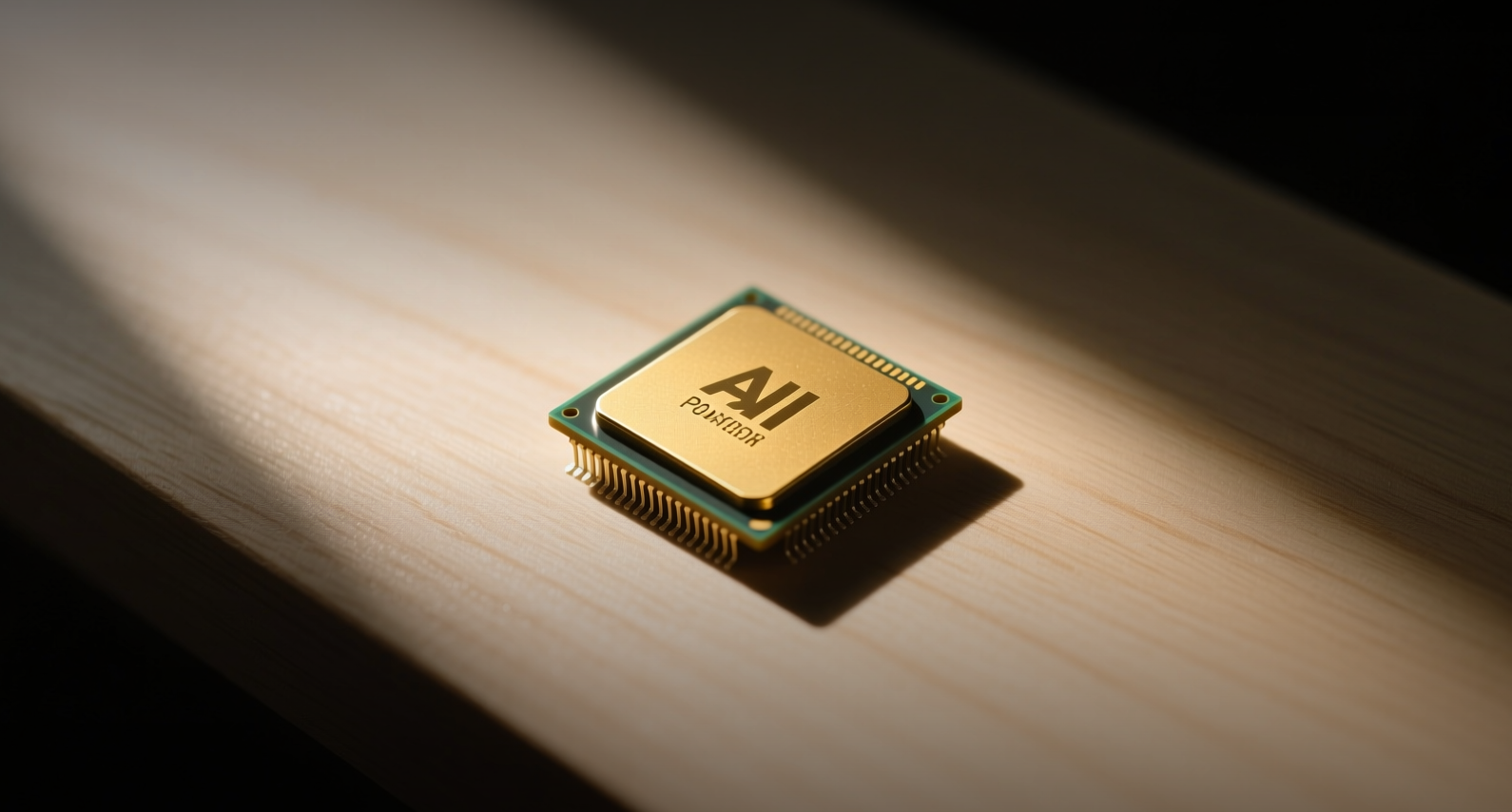
AMD's $X million acquisition of MEXT, a startup whose AI-driven software makes NAND flash behave more like DRAM, has sparked concern among memory investors — but the technology poses no threat to Micron Technology or Sandisk.
"AMD is not trying to replace HBM. MEXT operates in the software tier between storage and compute, optimizing what lives in high-speed memory at any given moment," a person familiar with the acquisition strategy said. "It reduces the amount of DRAM certain workloads require, but it cannot change what the silicon needs at the architectural level."
MEXT's predictive algorithms identify frequently accessed data and move it between flash storage and DRAM in real time, cutting memory costs by nearly half while expanding usable capacity by two to four times, according to the startup's press release. The technology targets enterprise customers running general-purpose AI workloads where memory is a cost constraint — not hyperscalers building training clusters around Nvidia's Blackwell GPUs, which demand HBM4's bandwidth for trillion-parameter models.
The distinction matters because Micron's entire 2026 HBM4 production is already spoken for under binding multi-year contracts. The company posted fiscal first-quarter 2026 revenue of $13.64 billion, up 57 percent year over year, with gross margins around 56 percent driven by HBM pricing power from contracted scarcity. At COMPUTEX 2026 in May, Micron laid out an end-to-end AI memory portfolio spanning data center to edge, all in high-volume production. Hyperscalers buying HBM4 optimize for bandwidth and compute density, not total cost of ownership — a different buyer with different priorities than the enterprise IT managers MEXT targets.
Sandisk stands to gain from the same trend AMD is betting on
MEXT's tiering software depends on high-performance NAND flash to function effectively — the faster the flash tier, the better the optimization. Sandisk, which builds enterprise SSDs for AI workloads, reported data center segment revenue of $1.47 billion in the third quarter of fiscal 2026, up 233 percent sequentially. Full-year revenue jumped 61 percent to $3.03 billion, beating Wall Street consensus by 12 percent. Sandisk shares have surged roughly 750 percent year to date, making it the best-performing large-cap technology stock in the S&P 500 in 2026.
AMD's bet on memory optimization software is, at its core, a bet that NAND flash will absorb more of the workloads traditionally handled by DRAM. That thesis requires better, faster NAND — exactly what Sandisk produces. Both Micron and Sandisk stocks flirted with 20 percent gains the week of June 25, reflecting market recognition that the MEXT acquisition is not a competitive threat.
The real risk for both memory makers remains the same one that has always defined the sector: If AI infrastructure spending slows faster than new capacity comes online, pricing power compresses and margins follow. For now, with HBM4 sold out through 2026 and enterprise SSD demand accelerating, neither company faces near-term headwinds from AMD's latest acquisition.
This article is for informational purposes only and does not constitute investment advice.
