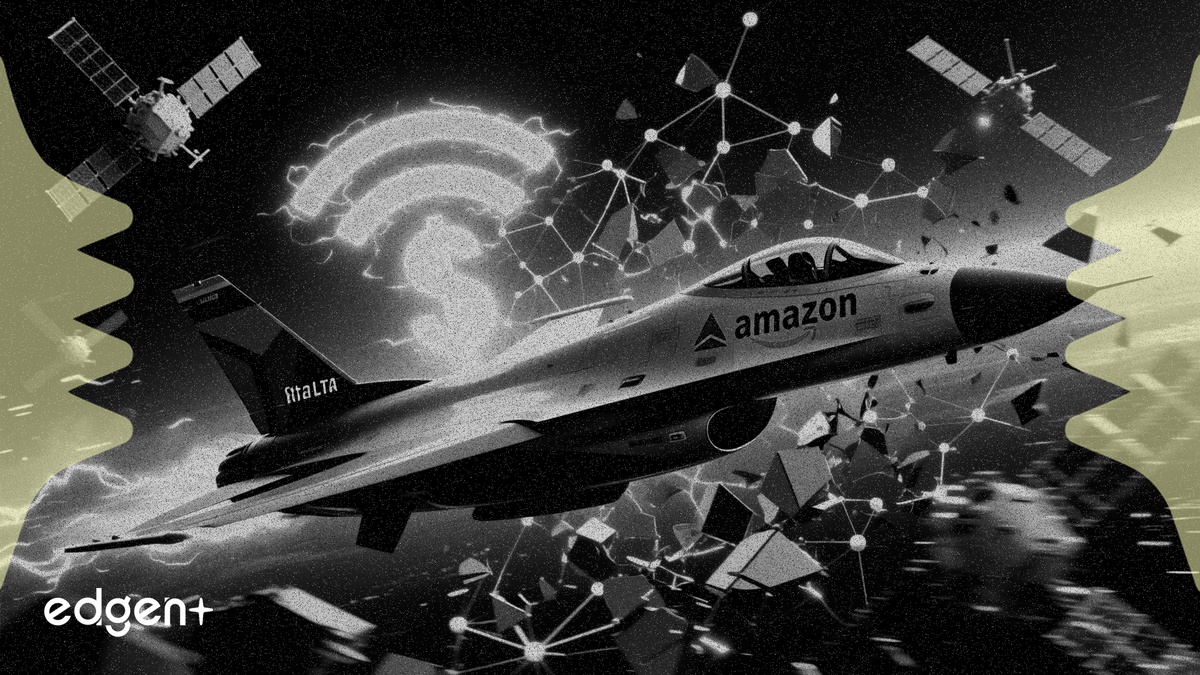
Amazon.com Inc. and Delta Air Lines Inc. are teaming up to offer in-flight Wi-Fi service, a direct challenge to SpaceX's Starlink that threatens to upend the market for airline connectivity. The deal, announced April 12, 2026, represents one of the first large-scale deployments for Amazon's Project Kuiper satellite network.
"This partnership is a significant step in closing the gap with Starlink's current market dominance," said a tech analyst at a major investment bank. "Amazon's entry with a major airline like Delta will accelerate the commoditization of in-flight broadband."
Project Kuiper, Amazon's $10 billion low-Earth orbit satellite project, aims to provide global broadband access. While Starlink has a commanding lead with over 5,000 satellites in orbit, Amazon is rapidly building out its constellation to compete. The Delta partnership will see the airline equip its fleet with Amazon's customer terminals, promising passengers high-speed, low-latency internet access.
The move is set to intensify competition for incumbent in-flight Wi-Fi providers such as Viasat Inc. and Gogo Inc., whose stock prices have been under pressure from the new entrants. For Amazon, the partnership provides a significant, high-profile customer for Project Kuiper, while Delta can enhance its customer experience and potentially open new revenue streams. The financial terms of the deal were not disclosed.
Kuiper vs Starlink: The Battle for the Skies
The in-flight connectivity market is a lucrative one, and both Amazon and SpaceX are vying for a significant share. Starlink Aviation, SpaceX's offering, is already in service with several smaller airlines and private jet operators. The service has been praised for its high speeds, but the cost of the hardware and service has been a barrier to widespread adoption.
Amazon and Delta have not yet released pricing for their service, but industry experts expect it to be competitive with, if not cheaper than, Starlink's offering. This could lead to a price war that would benefit consumers but could further squeeze the margins of existing players. The success of the partnership will depend on the performance and reliability of the Kuiper network, which is still in its early stages of deployment.
Market Impact and Investor Takeaway
The announcement is a clear bullish signal for both Amazon (AMZN) and Delta (DAL). For Amazon, it validates the massive investment in Project Kuiper and provides a clear path to monetization. For Delta, it's a service differentiator that could attract more passengers.
The competitive threat to Viasat (VSAT) and Gogo (GOGO) is significant. These companies have historically dominated the in-flight Wi-Fi market, but their technology is older and generally offers lower speeds and higher latency than the new satellite-based systems. Investors in these companies should be wary of the increased competition. The market has already reacted to the threat, with both VSAT and GOGO shares declining in recent months.
This article is for informational purposes only and does not constitute investment advice.