

Key Takeaways:
- Alibaba released Qwen-Image-3.0 on July 21, supporting up to 4,500-token prompts
- The model renders text in 12 languages with 20-plus fonts natively
- It targets commercial design use cases including multilingual posters and storyboards
Key Takeaways:
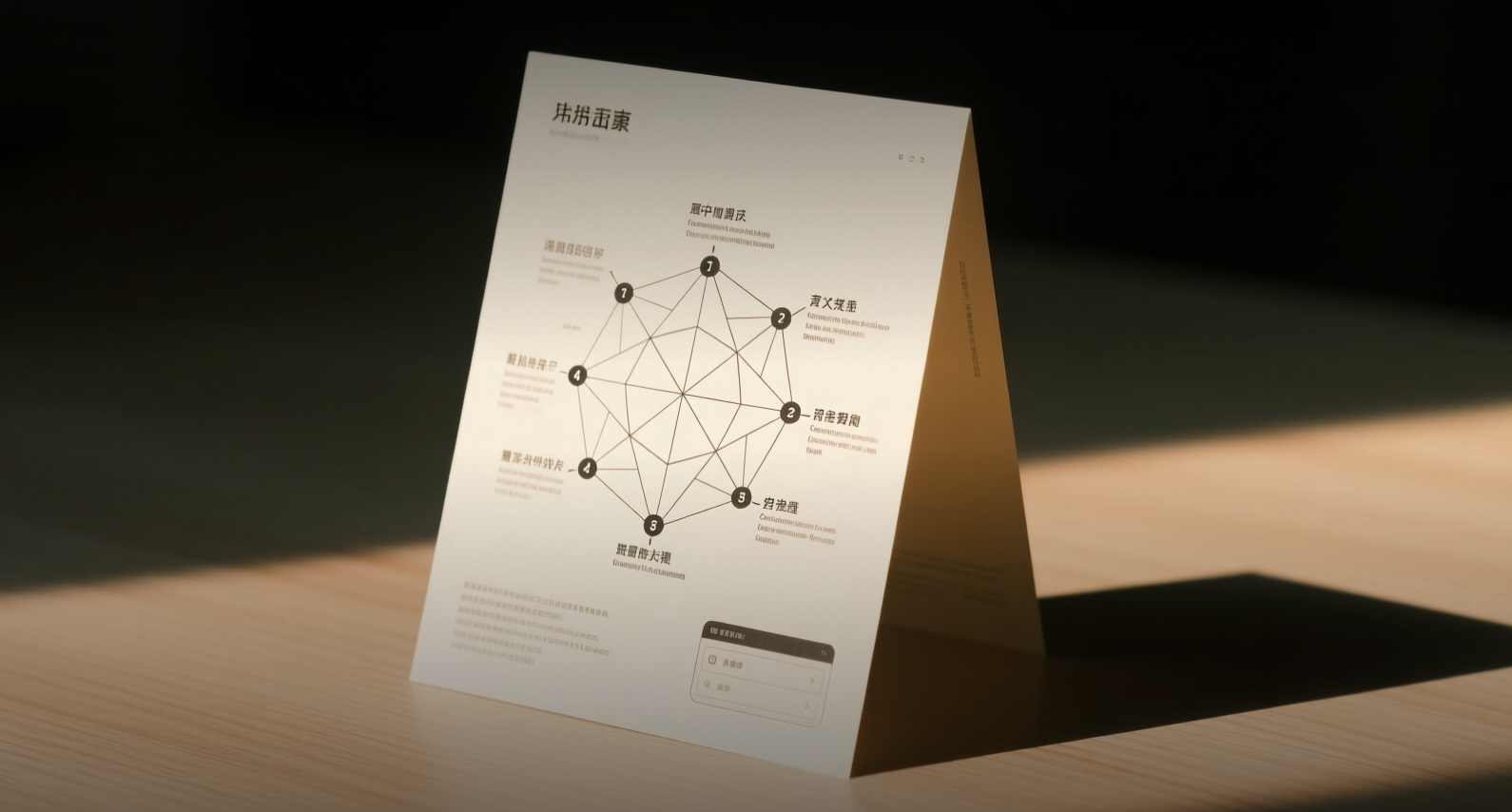
Alibaba's new image model can parse 4,500 tokens of instructions in a single prompt, generating diagrams with rendered text in 12 languages — a capability that cuts production costs for multilingual commercial content.
Alibaba Cloud released Qwen-Image-3.0 on July 21, an image generation model that accepts up to 4,500 tokens of input and renders text in 12 languages with 20-plus fonts, targeting the commercial design market.
"This is the team's first image model capable of handling ultra-long instructions that combine formula symbols, geometric shapes, and logical deduction steps in a single output," the Qwen team said in a release.
The model can generate knowledge diagrams, complex UI layouts, and multi-element graphics that include rendered text — addressing a persistent weakness in earlier image generators that often produced illegible or garbled characters. Qwen-Image-3.0 supports native text rendering in 12 languages, reducing the need for manual post-production editing on multilingual posters, film storyboards, and comic panels.
The launch intensifies competition in the generative AI market, where Alibaba competes with OpenAI's DALL-E, Midjourney, and Chinese rivals including Baidu and ByteDance. Alibaba has not disclosed pricing for standalone API access to Qwen-Image-3.0, but the model is available through its cloud platform.
Text Rendering Remains the Industry's Hardest Problem
Most image generation models struggle with text because they treat characters as visual patterns rather than linguistic symbols, often producing misspelled or distorted words. Qwen-Image-3.0's native rendering pipeline bypasses that limitation by treating text as a separate generation layer, the company said. The approach mirrors what OpenAI demonstrated with DALL-E 3's improved text capabilities in late 2023, though Alibaba claims its model supports more languages and fonts out of the box.
The 4,500-token input limit — roughly 3,400 words — allows users to specify detailed layout instructions, color schemes, and text placement in a single prompt, compared with typical limits of 1,000 to 2,000 tokens for competing models. That longer context window makes the model suitable for generating multi-panel storyboards, instructional diagrams with numbered steps, and UI mockups with labeled components.
For Alibaba, the model strengthens its cloud AI portfolio at a time when Chinese tech companies are racing to commercialize generative AI. The company's cloud division reported revenue of 41.7 billion yuan ($5.8 billion) in the March quarter, with AI-related revenue growing at triple-digit rates year over year. Qwen-Image-3.0 adds to a product suite that already includes the Qwen 3.8 large language model, unveiled July 19 with 2.4 trillion parameters.
Alibaba shares listed in Hong Kong rose as much as 5.4 percent following the Qwen 3.8 announcement, according to Bloomberg data. The company has not disclosed whether Qwen-Image-3.0 will be offered as a standalone paid service or bundled into existing cloud subscriptions.
This article is for informational purposes only and does not constitute investment advice.
