

Alibaba consolidated its AI operations under a single CEO-led unit spanning five divisions, betting that cost-competitive models can win global market share against US rivals.
Alibaba consolidated its AI operations under a single CEO-led unit spanning five divisions, betting that cost-competitive models can win global market share against US rivals.
Alibaba consolidated its AI operations under a single CEO-led unit spanning five divisions, betting that cost-competitive models can win global market share against US rivals.
Alibaba Group formed a new AI-focused business group spanning five divisions under Chief Executive Officer Eddie Wu, consolidating model development and enterprise tools as Chinese AI firms compete on cost against US counterparts.
"ATH is built around a single organizing mission: create tokens, deliver tokens, and apply tokens," Wu said in an internal memo. He added the group's mandate is to drive strategic coordination across Alibaba's AI businesses and embed AI into workflows.
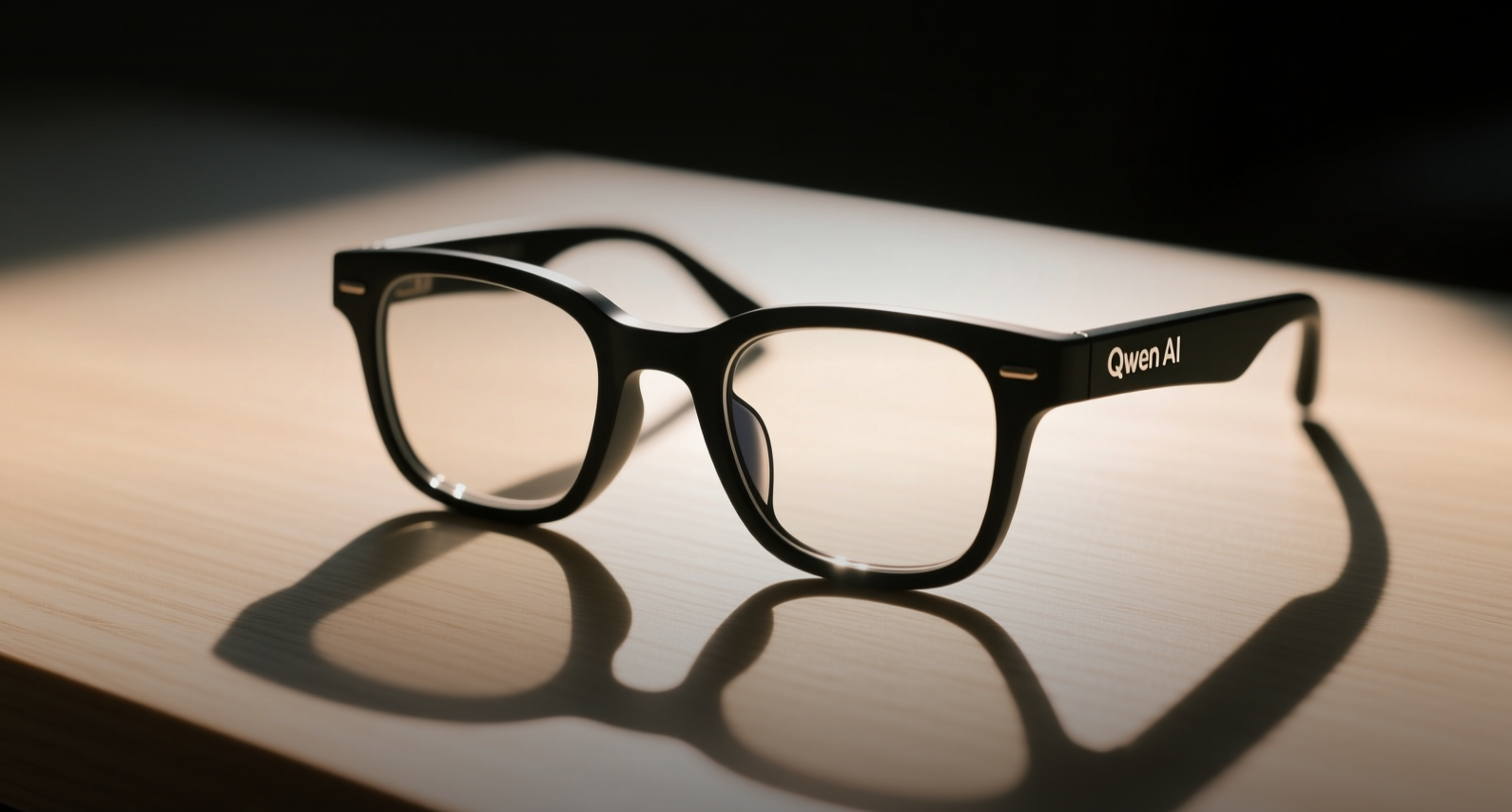
The new unit, called Alibaba Token Hub, brings together Tongyi Laboratory, the Model-as-a-Service Business Line, the Qwen and Wukong business units, and the AI Innovation division. Alibaba launched three frontier models in the first half of 2026: Qwen3.7-Max in May with advanced agentic coding capabilities, the HappyHorse 1.1 video generation model in June, and the HappyOyster 1.0 interactive world model also in June. The Qwen App was upgraded into a unified interface integrating services from Taobao, Alipay, Fliggy and Amap, while Qwen Glasses debuted at Mobile World Congress 2026 offering real-time translation, high-definition photography and voice command functions. The Wukong platform provides enterprises with an AI-native agent platform.
Chinese AI firms including Alibaba, DeepSeek and Zhipu AI offer open-source models at 10 to 20 times lower cost than US counterparts, using cost-effectiveness to gain global market share while raising questions about long-term profitability. Alibaba is scheduled to report quarterly earnings on Thursday, with investors watching for details on AI monetization.
The reorganization follows the departure of Lin Junyang, head of the Qwen AI model division, earlier this month — the third senior Qwen executive to exit this year. Wu's direct oversight of ATH signals the company's urgency to improve coordination among researchers, product teams and designers while accelerating adoption of Qwen models across its consumer and enterprise products.
Alibaba's AI push extends beyond model development into hardware and consumer devices. The Qwen Glasses, shown at MWC, mark the company's entry into AI wearables, a category where Meta Platforms and Google have also invested heavily. The glasses offer real-time translation and voice-activated functions, positioning Alibaba to compete in the emerging market for AI-powered personal devices.
For investors, the key question is whether Alibaba can translate its AI investments into revenue growth. The company's cloud computing business, which houses much of its AI infrastructure, has faced pricing pressure as Chinese rivals cut costs to win customers. Alibaba shares rose about 1.9% on Monday following the announcement, reflecting cautious optimism that the restructuring could sharpen the company's competitive edge.
This article is for informational purposes only and does not constitute investment advice.
