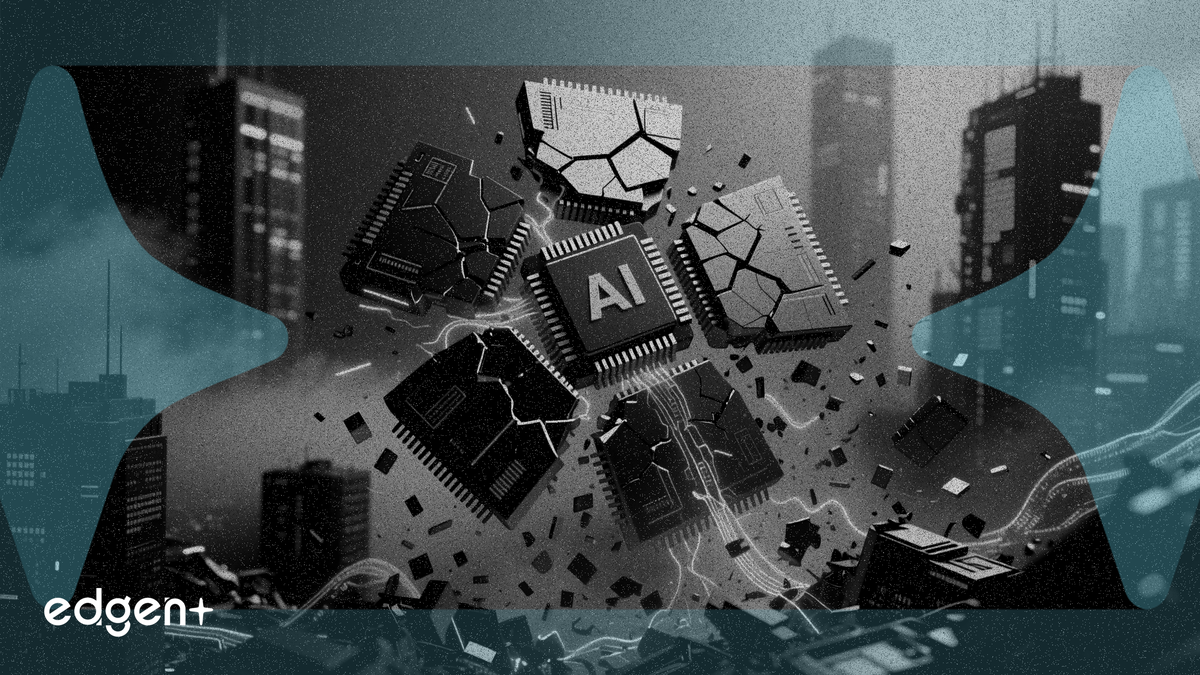
The surge in artificial intelligence demand is creating widespread supply shortages for at least five critical components, threatening to constrain revenue growth and pressure margins for some of the world's largest technology companies.
The insatiable appetite for AI has led to a scramble for parts that extends far beyond the much-discussed memory chip crunch. In recent earnings calls, executives from across the tech sector have warned of industry-wide shortages and elevated procurement costs for everything from the silicon wafers used to make chips to the optics that connect them inside data centers. The supply crunch is already hitting bottom lines, with Arista Networks (ANET) shares falling 14% on May 6 after the company warned of future margin pressure.
"We are experiencing industry-wide shortages across the board, be it wafers, silicon chips, CPUs, optics, and of course, memory that I referred to last quarter, coupled with elevated costs to procure these," Arista Networks CEO Jayshree Ullal said on the company’s May 5 earnings call.
The list of affected companies reads like a who's who of the tech industry. Chip designer Arm Holdings (ARM) saw its stock sink despite strong results, as it held its revenue forecast at $1 billion while it struggles to secure enough supplies to meet soaring demand. Intel (INTC), a primary CPU maker, reported that its first-quarter revenue of $13.6 billion “would have been meaningfully higher, but demand continues to outpace our growing supply.” Even Apple (AAPL) is feeling the pinch, with CEO Tim Cook stating, "We believe memory costs will drive an increasing impact on our business."
This component bottleneck represents a significant hurdle for the AI industry, potentially slowing the multi-trillion-dollar buildout of data centers and infrastructure. For investors, the shortages create a complex landscape of winners and losers. While component makers like Seagate Technology (STX) and Western Digital (WDC) have seen their stocks soar 68% and 43% respectively in the past month, the hardware companies that rely on them face the dual threat of being unable to meet customer demand and suffering from compressed profit margins. The situation could lead to a broader re-evaluation of tech sector valuations, which have been largely driven by bullish AI expectations.
From Memory to Optics: The AI Bottleneck
The AI-driven supply crunch now spans at least five key areas: memory (both DRAM and NAND), CPUs, the silicon wafers they are built on, optics for high-speed data transfer, and even high-capacity hard disk drives (HDDs). The problem stems from a simple mismatch: the demand for AI infrastructure, which requires massive amounts of these components, has exploded faster than manufacturers can increase supply.
Samsung, a major memory producer, said its demand fulfillment rate is at a record low, with customers placing orders for 2027 to secure supply. This has a direct impact on hardware manufacturers. Server maker Super Micro Computer (SMCI) noted its fiscal third-quarter revenue of $10.2 billion was constrained by "customers’ site-readiness delays," partly because the necessary components weren't available to equip new data centers.
The Investor Takeaway
The ongoing shortages pose a direct threat to the revenue and profit forecasts of many high-flying tech stocks. While the market has so far rewarded the component suppliers, the downstream impact on major hardware and cloud providers is becoming a more significant risk. Arista's 14% stock drop serves as a clear warning that the market is beginning to price in the negative effects of these supply constraints. Investors in the tech sector must now look beyond the AI hype and scrutinize which companies have secured their supply chains and which are most exposed to rising costs and potential production delays.
This article is for informational purposes only and does not constitute investment advice.