

The Pentagon's $12.6 billion plan to acquire 28,000 low-cost cruise missiles is driving the largest expansion of Lockheed Martin's missile production capacity in a decade.
The Pentagon's $12.6 billion plan to acquire 28,000 low-cost cruise missiles is driving the largest expansion of Lockheed Martin's missile production capacity in a decade.
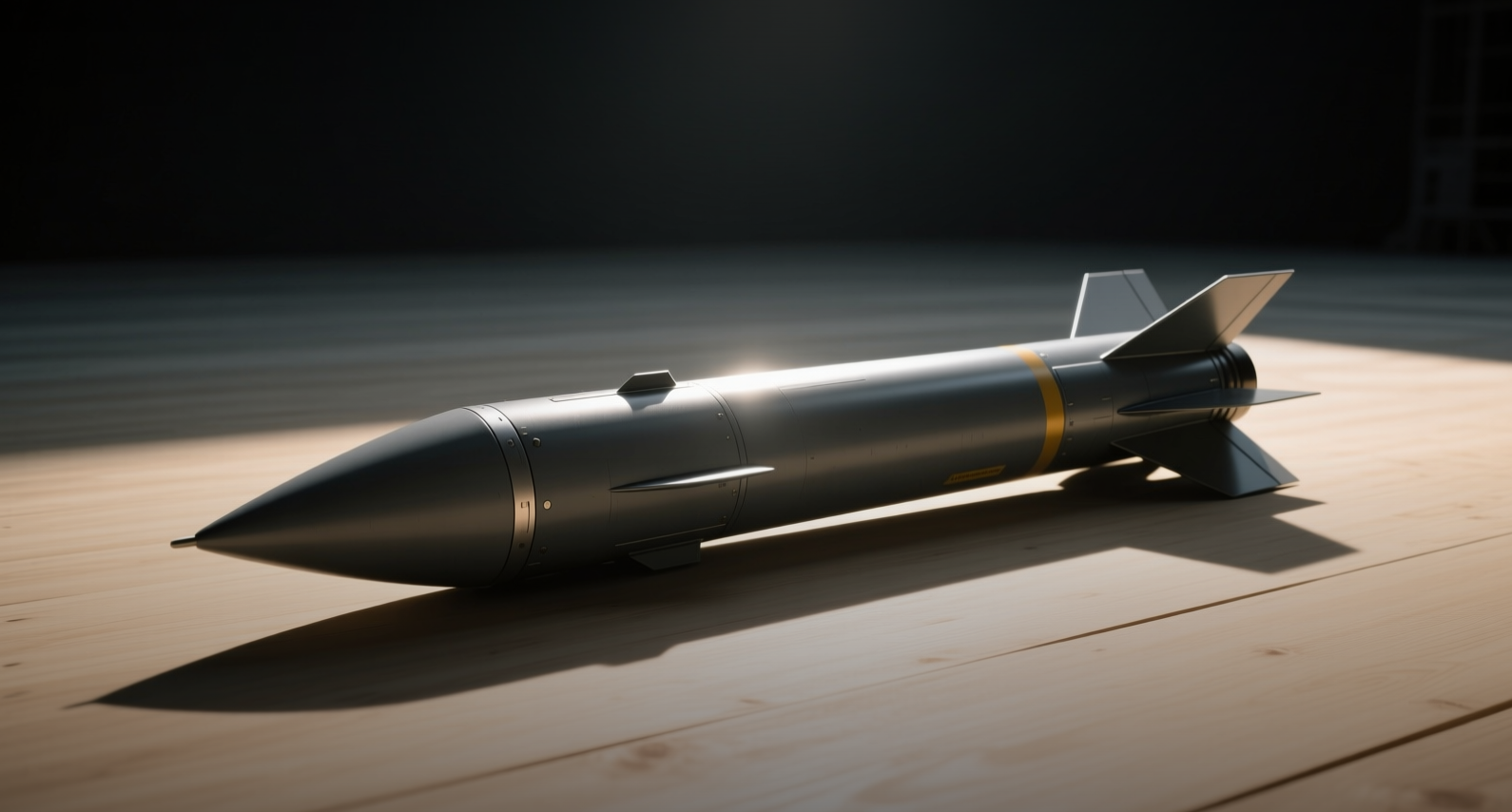
The Pentagon's $12.6 billion plan to acquire 28,000 low-cost cruise missiles is driving the largest expansion of Lockheed Martin's missile production capacity in a decade.
Lockheed Martin Corp. is expanding missile production under new U.S. agreements as the Pentagon's $12.6 billion push to buy 28,000 low-cost cruise missiles drives the biggest ramp-up in defense manufacturing since the Cold War.
"This is a structural shift in how the Pentagon thinks about munitions — moving from precision scarcity to volume dominance," said Byron Callan, managing director at Capital Alpha Partners. "The demand signal is multi-year and backed by hard contracts."
The Bethesda, Maryland-based contractor secured $13 billion in contracts on Wednesday, including $10.5 billion for U.S. Special Operations Command logistics support through Aug. 10, 2038, $1.6 billion for F-35 spare parts over seven years, and $439 million for ATACMS guided missile systems funded by Taiwan with completion by Feb. 28, 2031. The U.S. Air Force also increased production of stealthy cruise anti-ship missiles as part of the broader procurement push, according to a separate Pentagon announcement.
The production expansion gives Lockheed Martin multi-year revenue visibility at a time when global defense spending is rising. NATO allies have pledged to increase defense budgets to 2% of GDP, while U.S. defense outlays are projected at $886 billion for fiscal 2026, creating sustained demand for air and missile defense systems that could support Lockheed Martin's top line for the rest of the decade.
The contracts span Lockheed Martin's three main business segments — missiles and fire control, aeronautics, and space — providing diversification against program-specific risks. The SOCOM logistics contract alone, valued at $10.5 billion over 12 years, represents one of the largest support contracts awarded this year and will require the company to maintain operations at multiple domestic and international locations.
Pentagon's Volume Strategy Reshapes Munitions Procurement
The $12.6 billion investment in 28,000 cruise missiles marks a departure from the Pentagon's traditional focus on high-cost, low-volume precision munitions. Each missile is designed to cost well under $1 million, a fraction of the price of systems like the Tomahawk cruise missile, which carries a unit cost of roughly $2 million. The strategy aims to overwhelm enemy air defenses through mass, a doctrine shift informed by the war in Ukraine, where both sides have expended thousands of missiles at rates not seen since World War II. The approach mirrors the Pentagon's shift toward "affordable mass" outlined in its 2022 National Defense Strategy.
Lockheed Martin's ATACMS contract, funded by Taiwan, underscores the geopolitical drivers behind the ramp-up. The Army Tactical Missile System can strike targets beyond the range of existing Army cannons, rockets and other missiles, according to the company's published specifications. The Taiwan-funded portion, with a Feb. 28, 2031 completion date, reflects the island's efforts to bolster deterrence amid rising cross-strait tensions. China has ramped up military activities around Taiwan in recent years, conducting multiple rounds of large-scale exercises that have drawn U.S. condemnation and accelerated allied defense planning in the Indo-Pacific.
Defense Sector Outlook Points to Sustained Growth
The last time the U.S. undertook a munitions buildup of this scale was during the Reagan-era expansion of the 1980s, when annual defense spending exceeded 6% of GDP. Current spending at roughly 3.2% of GDP suggests room for further increases, particularly as the Pentagon prioritizes munitions stockpiles over new platform programs. The Congressional Budget Office projects defense spending could reach $1 trillion by 2030 under current law.
For Lockheed Martin, the contracts provide a buffer against potential cuts to major programs like the F-35, which faces ongoing technical challenges and budget scrutiny. The F-35 spare parts contract, valued at $1.6 billion over seven years, ensures continued revenue from the existing fleet even as new procurement slows. The defense sector has outperformed the broader market this year, with the S&P 500 Aerospace & Defense index rising 18% year to date as geopolitical risk premiums widen. Lockheed Martin shares have gained 12% in 2026, tracking the broader defense rally, while the S&P 500 has returned about 8% over the same period. The iShares U.S. Aerospace & Defense ETF has attracted $2.3 billion in net inflows this year, reflecting investor appetite for defense exposure.
This article is for informational purposes only and does not constitute investment advice.
