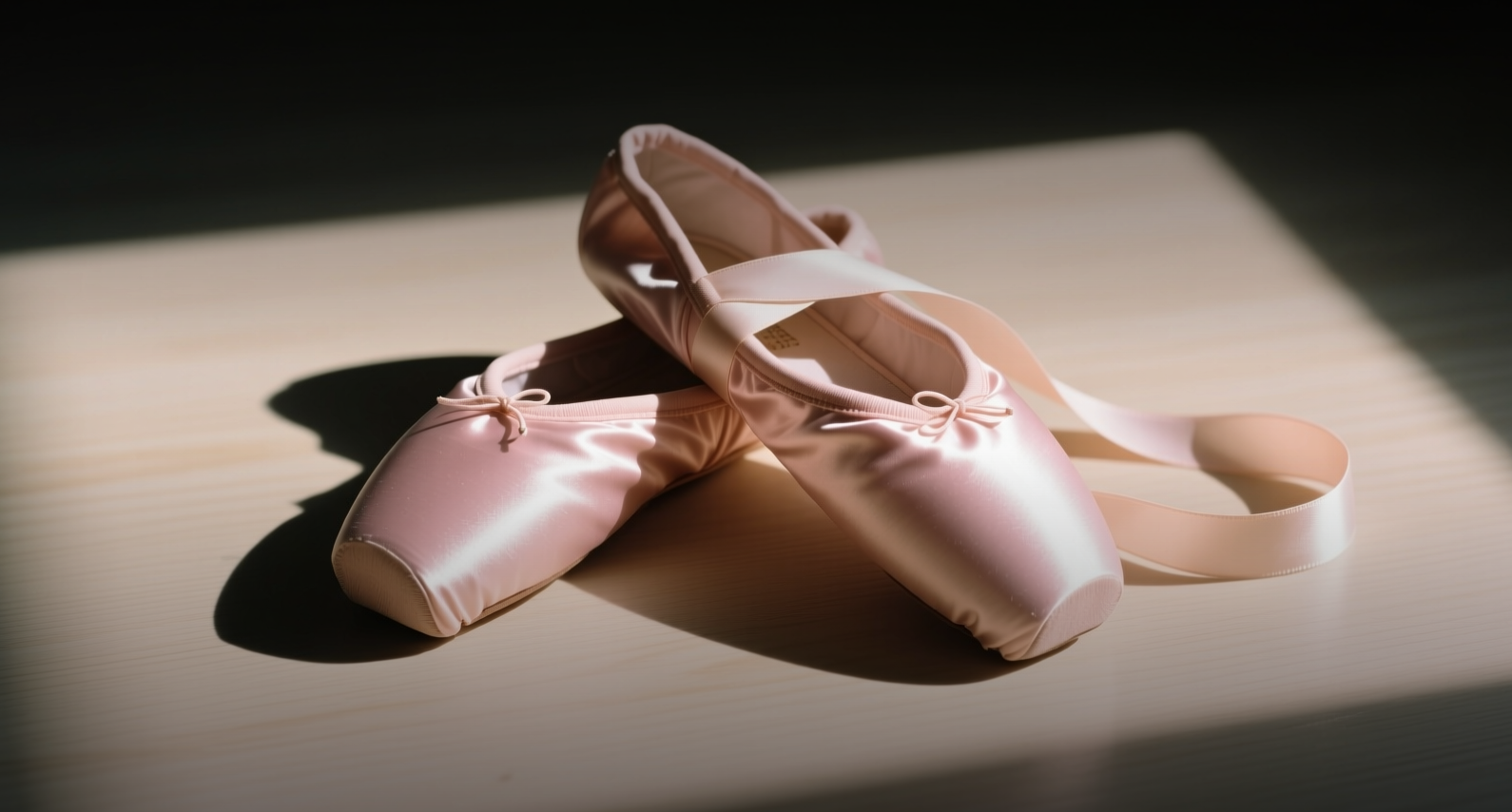
Yoko Morishita was 3 years old when she first put on ballet shoes. Seventy-five years later, at 77, she remains the world's oldest prima ballerina still performing demanding lead roles.
Morishita, the principal dancer of Japan's Matsuyama Ballet Company, performed as Odette and Odile in "Swan Lake" in January and starred in "Coppelia" in May. She is now rehearsing for her 45th year playing Clara in "The Nutcracker" in November. Her career includes more than 200 performances with Rudolf Nureyev and a tour with Margot Fonteyn, whom she first saw perform as a 20-year-old in New York.
"Once today is over, I think about tomorrow's lesson," Morishita said in an interview at Matsuyama's Tokyo studio. "Before I knew it, 75 years had passed."
Born in Hiroshima in 1948, three years after the city was destroyed by an atomic bomb, Morishita said the resilience of her family and neighbors in the aftermath remains an inspiration. "Everyone was full of energy and courage, and they were living their lives with an incredible sense of gratitude for being alive," she said.
A doctor recommended physical exercise for the frail child, and a kindergarten across the street offered ballet classes after school. Her first teacher, Kiyoshi Hamuro, enrolled her with Michiko Suwa, a strict ballet mistress who sometimes struck pupils' feet with a feather duster when they buckled from the pain of standing en pointe. "Parents would just keep quiet and apply ointment to our wounds," Morishita said.
She gave her first performance at age 6 on a tiny stage in front of a movie theater screen in Hiroshima. At 12, she persuaded her parents to send her to ballet school in Tokyo. She joined Matsuyama Ballet in 1971 after studying overseas, including in the US.
A Rigorous Daily Routine
Morishita practices at least six hours a day, six days a week, and stretches on her day off. She credits that discipline — born from childhood clumsiness that made her slower to learn new movements than peers — with keeping her dancing at an age when most ballet stars have long retired to teaching.
Rick Seah, a doctor who treats athletes and dancers at the UK's Royal National Orthopaedic Hospital, said ballet dancers require exceptional strength and endurance in muscles and ligaments, with lower limb injuries including sprains and tendon damage common. "It is a testament to how she looks after herself to achieve some longevity in her career," he said.
Morishita watches her step, especially in rain, to avoid injury. She has few hobbies outside ballet aside from following the Hiroshima Toyo Carp baseball team. Her parents ran a steakhouse in Hiroshima, and she remains fond of steak. "I have to eat meat," she said.
Her husband, Tetsutaro Shimizu, is the company's executive director and choreographer. Dancing together in 1974, she won the Gold Prize at the Varna International Ballet Competition, the first Japanese dancer to win one of ballet's most prestigious awards. Shimizu, who teases Morishita about her 4-foot-9-inch height, said: "When she dances, she looks so big. That's her strength. Something just bursts out of her."
Yukihiko Yoshida, a longtime dance critic in Japan, said Morishita developed a delicate style that is uniquely Japanese, reminiscent of traditional Noh and Kabuki performers who spend decades mastering their craft. "Ms. Morishita is a legend of the Japanese ballet world for sure," he said. "Everyone is wondering when her retirement performance will be."
For Morishita, the answer remains unclear. "I think about tomorrow's lesson," she said. "Before I knew it, 75 years had passed."
This article is for informational purposes only and does not constitute investment advice.