
The Pentagon is pouring $300 million into nine Philippine bases and deploying long-range missile systems across the archipelago to make a Chinese invasion of Taiwan prohibitively costly.
The Pentagon is pouring $300 million into nine Philippine bases and deploying long-range missile systems across the archipelago to make a Chinese invasion of Taiwan prohibitively costly.
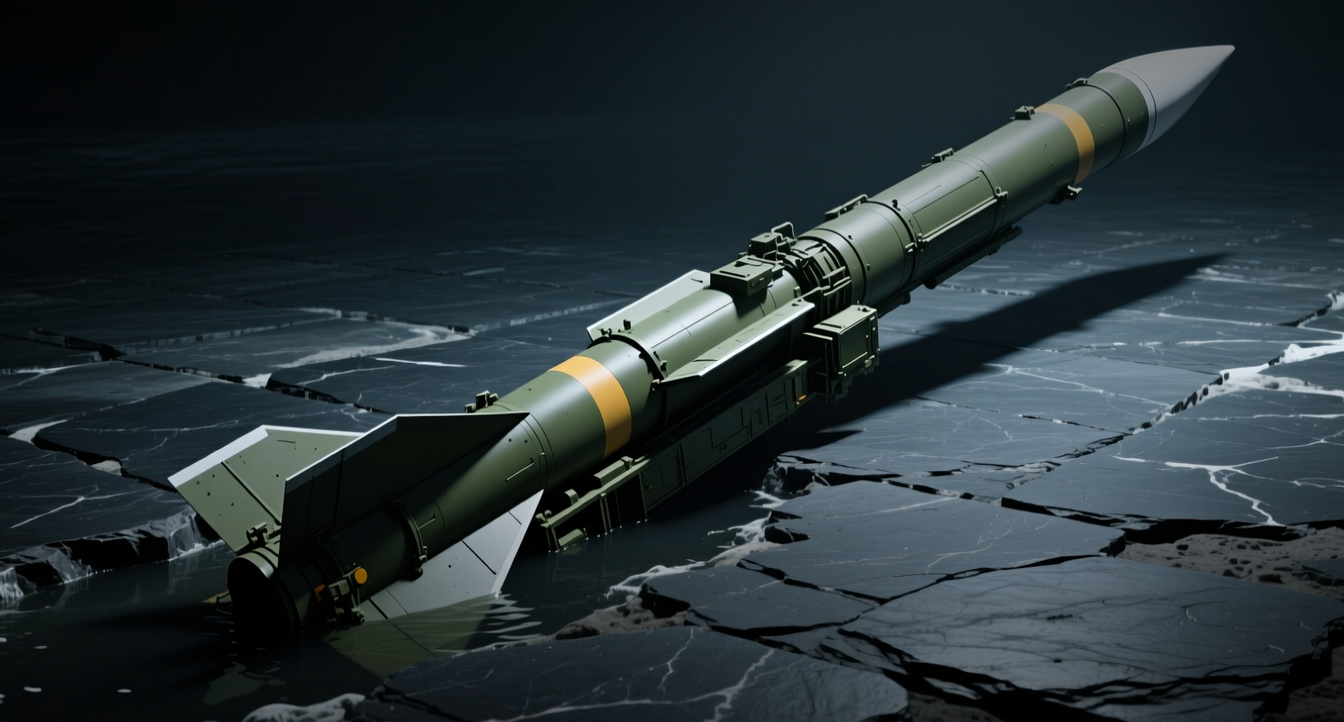
The Pentagon is pouring $300 million into nine Philippine bases and deploying long-range missile systems across the archipelago to make a Chinese invasion of Taiwan prohibitively costly.
The U.S. military is expanding across the Philippines with $300 million in base upgrades, nine access agreements, and long-range missile deployments, making the archipelago central to Washington's Taiwan deterrence strategy.
"The Philippines' geography is irreplaceable," said Brian Harding, a former Pentagon official who helped negotiate base access during the Obama administration. "We're not going to have U.S. bases in the Philippines, but the idea is to have the United States present continually and deeply familiar with the facilities."
The Pentagon has deployed Navy-Marine Expeditionary Ship Interdiction System launchers — with a range of about 115 miles — to Itbayat island, roughly 100 miles from Taiwan, and test-fired a Tomahawk missile with a range of up to 1,200 miles from Leyte. Task Force-Philippines, established last year with 60 servicemembers, coordinates operations across nine bases, while the U.S. Coast Guard deployed patrol craft to Subic Bay for the first time this year.
The buildout carries risks for both Washington and Manila. Philippine elections in 2028 could bring an administration hostile to the U.S. alliance, and Washington's diversion of carrier assets to the Middle East has raised doubts about its ability to back commitments in Asia. For Manila, the expanded U.S. footprint has drawn Chinese sanctions on its defense secretary and intensified harassment of Philippine vessels in the South China Sea.
The former U.S. naval base at Subic Bay — where the USS Independence departed in March 1992, ending nearly a century of American military presence — is re-emerging as a logistics hub. Private-equity firm Cerberus Capital Management, co-founded by Deputy Defense Secretary Steve Feinberg, acquired a commercial shipyard there in 2022, beating out Chinese bidders. The U.S. Army is seeking security contractors to support "controlled storage and weapon systems" at two sites within the 260-square-mile economic zone.
Washington has committed more than $300 million to upgrading runways, hangars, and storage across the nine bases. The last time the U.S. built up Philippine infrastructure at this scale was during the Cold War, when Subic Bay and Clark Air Base sustained operations in Korea and Vietnam. That buildup ended with the 1991 Senate rejection of a new bases treaty and the 1992 handover.
The Trump administration's embrace of Manila has complicated the Philippines' efforts to manage relations with Beijing. Undersecretary of Defense for Policy Elbridge Colby called the Philippines a "model ally" during a Manila visit this month, and the two countries announced joint coast guard patrols in the South China Sea. But Washington has not cleared the transfer of modern fighter jets to the Philippine Air Force, and the administration has imposed double-digit tariffs on Philippine exports.
Chinese officials have denounced the joint exercises as provocation. State media published a video depicting the Philippines as a monkey acting at the direction of the U.S. and Japan. In the South China Sea, Chinese coast guard personnel struck a Philippine sailor with a baton in a recent incident, and Philippine navy servicemen were injured at Second Thomas Shoal.
Defense Secretary Gilberto Teodoro Jr., who was sanctioned by Beijing, dismissed concerns about U.S. commitment. "The Philippines has nothing to complain about," he said in an interview. But the strategy's durability depends on Philippine politics: Vice President Sara Duterte, daughter of the former president who favored closer ties with Beijing, could challenge the alliance in 2028.
For regional markets, the escalation carries a measurable risk premium. Defense contractors with Philippine exposure stand to benefit from continued base construction, while shipping and energy companies face elevated costs from South China Sea disruptions. The Strait of Hormuz closure has already slowed Philippine growth to its weakest pace in decades, excluding pandemic years, and further escalation in the South China Sea would compound those pressures.
This article is for informational purposes only and does not constitute investment advice.
