
Trump's pledge to retaliate against Iran escalates a conflict that has already driven the rial past 2 million per dollar.
Trump's pledge to retaliate against Iran escalates a conflict that has already driven the rial past 2 million per dollar.
Trump said the US will respond to an Iranian attack on American forces, escalating a six-month conflict that has pushed the rial past 2 million per dollar and food prices up 177 percent.
"I think they will likely be quite impactful and painful for the Iranian people," Trita Parsi, head of the Washington-based Quincy Institute, said of the latest US sanctions. "But translating that pain into a shift in their policy is a completely different thing."
The US on Monday announced enhanced sanctions on Iran and 60 entities in what officials called "Operation Economic Outcast." The rial has fallen to a record low past 2 million per dollar on the free market, while tomatoes are up 71 percent, chicken 74 percent, and cooking oil 177 percent since the war began February 28.
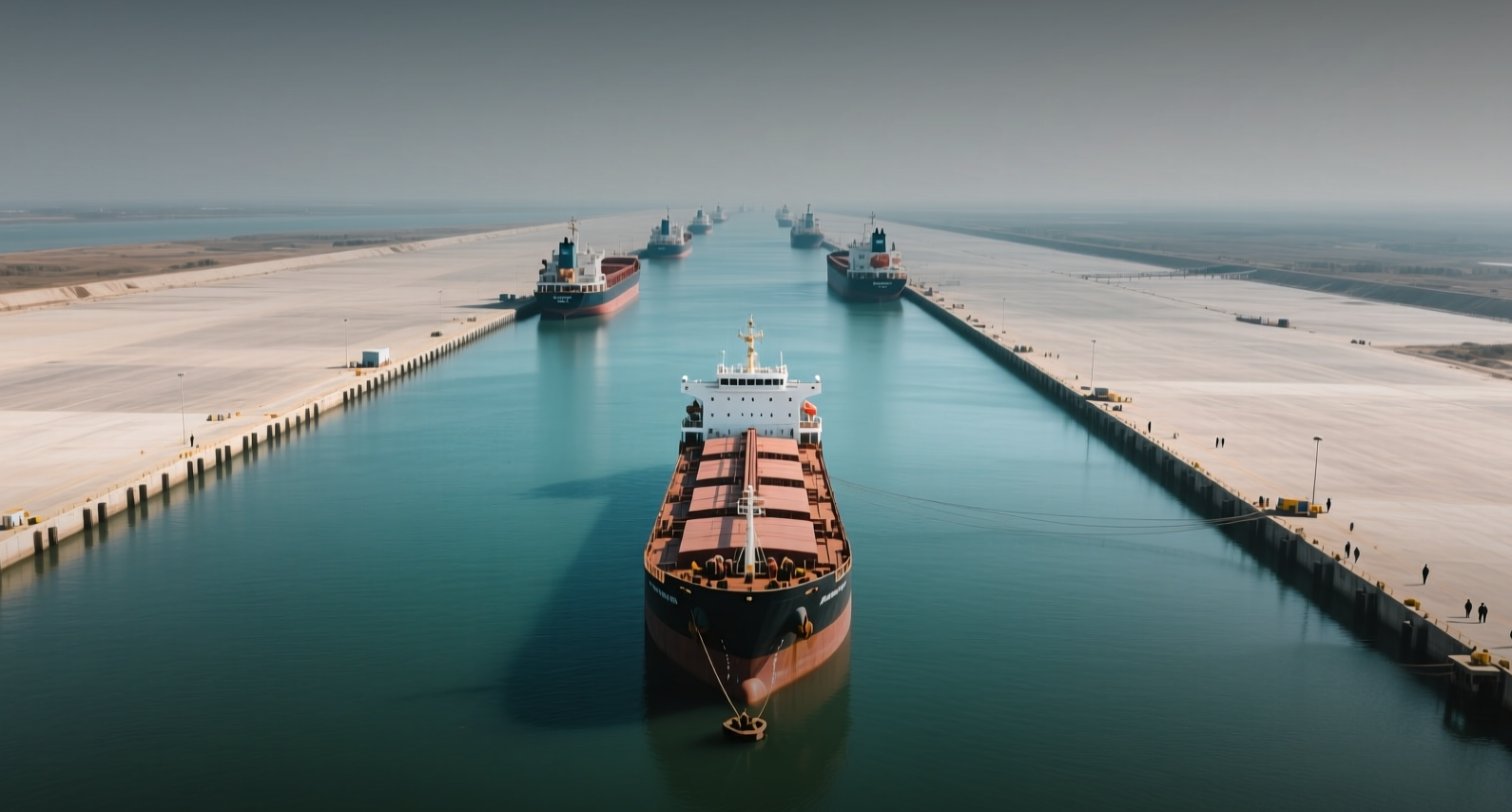
Trump's "hit them hard" pledge, made to Fox News, follows the expiry of a 60-day memorandum of understanding earlier this month that had addressed transit through the Strait of Hormuz and sanctions relief. The strait handles roughly 21 percent of global oil trade, and any disruption would ripple through crude markets and global equities.
Trump told Al Jazeera on Wednesday he has "no time schedule" for Iran to return to negotiations, saying "we are winning very big." The comments depart from his earlier prediction that the war would end in "four to six" weeks. Asked whether economic measures were more effective than military strikes, Trump said "I think they are both effective."
The enhanced sanctions target 60 entities across multiple countries doing business with Iran. Treasury Secretary Scott Bessent defended the scope, telling reporters, "Why would I want to blow up the global financial system?" — a reference to the decision not to immediately target major Chinese entities involved in Iranian crude trade. At least 90 percent of Iran's oil exports end up in China, netting Tehran tens of billions of dollars in annual revenue.
Iran's foreign ministry described the sanctions as a threat to international law and the UN charter, saying "the issue is no longer limited to Iran."
The escalation carries direct implications for energy markets. The Strait of Hormuz — through which roughly 21 percent of global oil passes — sits at the center of the conflict. Any Iranian attempt to disrupt shipping lanes would likely spike crude prices and push investors into safe-haven assets.
The last time US-Iran tensions reached this level, in January 2020 after the killing of Qassem Soleimani, Brent crude jumped more than 5 percent in a single session before retreating as diplomatic channels reopened. The current trajectory — with the MOU expired and no new talks scheduled — suggests a longer-lasting risk premium.
Prediction markets have already begun pricing a higher probability of US military strikes in 2026 following Trump's announcement, with some contracts showing increased support for an invasion scenario. Market participants are watching for specific military deployments or official statements that could signal a shift toward a more aggressive US posture.
For Iran, the economic toll is mounting. The rial's collapse to 2 million per dollar means the same amount that bought four kilograms of tomatoes, half a kilo of chicken, and nearly a liter of cooking oil before the war now buys roughly half as much. Analysts question whether economic pressure alone can force Tehran back to the table, given that China continues to absorb the bulk of Iranian crude.
For markets, the key variable is whether Trump follows through on military action or continues to rely on sanctions as the primary lever. His statement that economic measures and military strikes are "both effective" leaves both scenarios on the table. If the US escalates militarily, crude prices could spike sharply; if sanctions remain the primary tool, the pressure on Iran's economy — and the rial — will continue to build.
This article is for informational purposes only and does not constitute investment advice.
