Spero Therapeutics is pivoting from antibiotics to immunology, licensing a Phase 2-ready anti-CD40L antibody from Innovent Biologics in a deal worth up to $1.1 billion.
Spero Therapeutics inked a $1.1 billion licensing deal with Innovent Biologics for a third-generation anti-CD40L antibody, marking the company's shift from infectious disease into immune-mediated diseases.
"Having successfully advanced and delivered a therapy for patients with serious infectious diseases, we are now applying the same disciplined development approach to immune-mediated diseases," Esther Rajavelu, president and chief executive officer of Spero Therapeutics, said.
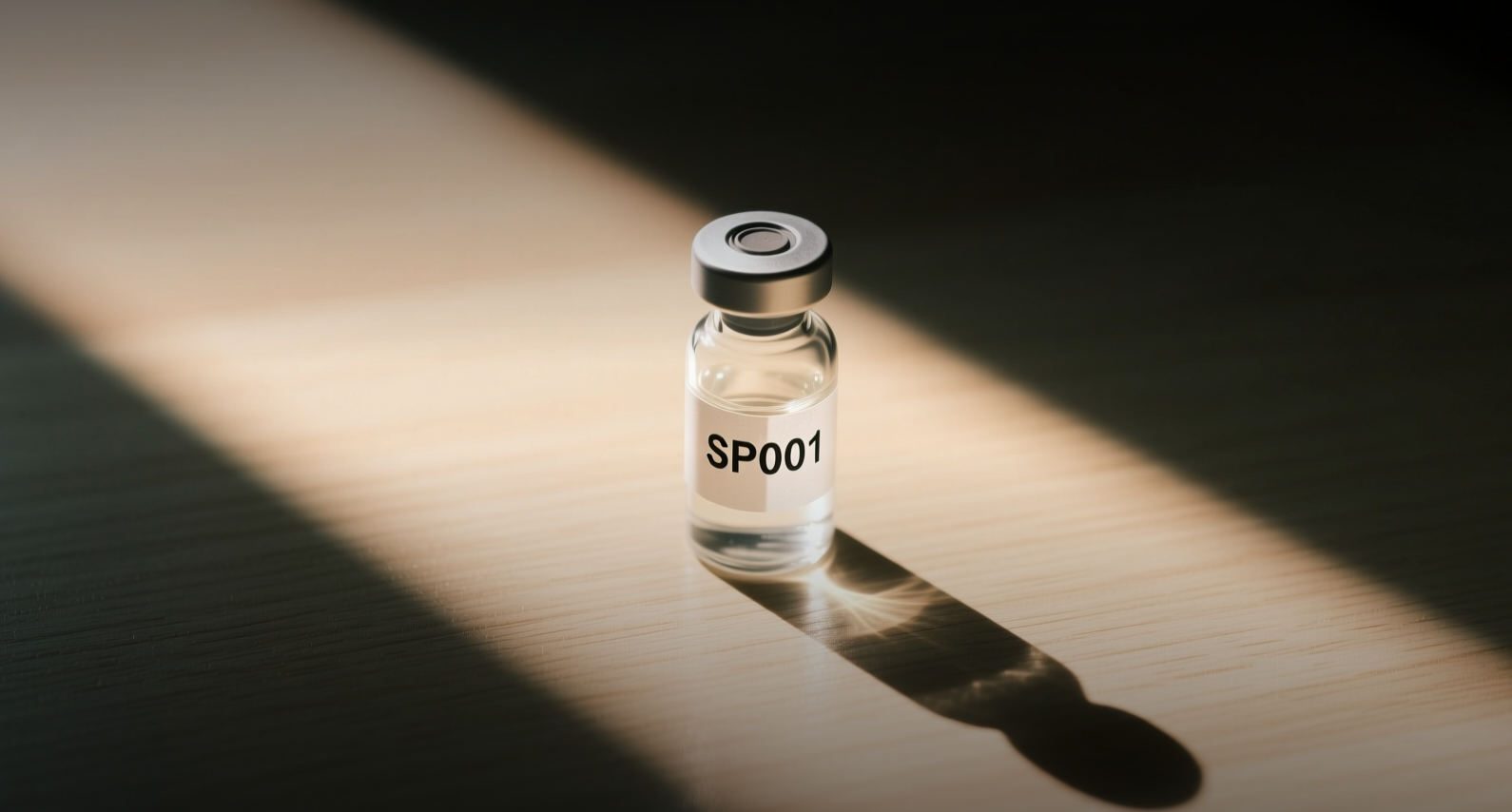
Under the agreement, Spero receives exclusive rights to develop and commercialize SP001, formerly known as IBI355, outside Greater China. Innovent gets an upfront payment plus development, regulatory and commercial milestones totaling about $1.1 billion, along with tiered royalties on sales in Spero's territories. Spero plans to start a Phase 2 trial in IgG4-related disease in the second quarter of 2027, while Innovent expects to begin a Phase 2 study in Sjögren's disease in China by early next year.
The deal transforms Spero from a single-asset antibiotic company into an immunology player, backed by $105 million in non-dilutive financing from Healthcare Royalty, a KKR business, secured against future Utebzi royalties. Spero now has cash runway into the second half of 2029.
SP001 targets CD40L, an upstream immune signal protein that regulates T-cell and B-cell collaboration, antigen-presenting cell function and platelet biology. By blocking CD40L without depleting B cells, the antibody aims to interrupt the chronic inflammation and tissue damage driving IgG4-related disease and other autoimmune conditions. The molecule is a third-generation, Fc-silent IgG1 monoclonal antibody designed to avoid the platelet activation issues that plagued earlier anti-CD40L candidates, while preserving the half-life characteristics of a standard IgG antibody.
Innovent has already generated Phase 1 data across three studies: single and multiple ascending dose trials in healthy volunteers, plus a Phase 1b multiple ascending dose study in patients with Sjögren's disease. Results from the SjD study were presented at the EULAR 2026 Congress. The clinical package de-risks the program for Spero, which inherits a Phase 2-ready asset without having funded the early-stage work.
IgG4-RD and Sjögren's Disease Represent Large Unmet Needs
IgG4-related disease is a chronic fibroinflammatory condition affecting the pancreas, salivary glands, kidneys, lungs and other organs. Current treatment relies on steroids and B-cell-depleting therapies, but patients face high relapse rates and significant treatment burden. Sjögren's disease, one of the most common autoantibody-driven autoimmune disorders, predominantly affects women and has no approved therapies addressing its systemic nature. More than half of patients develop moderate-to-severe disease, with an elevated risk of non-Hodgkin's B-cell lymphoma.
"CD40L is an important upstream mediator of immune activation and T-cell/B-cell collaboration, both of which are relevant to IgG4-RD progression," Dr. Arezou Khosroshahi, professor of medicine at Emory University School of Medicine, said. "A non-B cell depleting approach that interrupts CD40L signaling could represent an important area for clinical evaluation."
The Financing Behind the Pivot
The licensing deal was funded in part by a $105 million non-recourse royalty financing from Healthcare Royalty, secured against a portion of future milestone and royalty payments from Utebzi, Spero's recently approved oral carbapenem antibiotic for complicated urinary tract infections. GSK commercializes Utebzi globally under a license from Spero. Under the HCRx terms, the firm receives quarterly principal and interest payments from GSK's Utebzi payments until the loan is repaid, after which Spero retains 35 percent of subsequent royalties.
Spero's journey to this point has been turbulent. The company laid off 75 percent of its workforce after the FDA initially rejected Utebzi in 2022, then cut another 39 percent in 2024 after its oral treatment for nontuberculous mycobacterial pulmonary disease failed a Phase 2 trial. GSK stepped in with a $66 million deal to rescue the antibiotic program, and Utebzi ultimately won FDA approval last month.
For Innovent, the deal extends its autoimmune pipeline beyond China. The Suzhou-based biotech, founded in 2011, has launched 19 products and partners with Eli Lilly, Roche, Takeda, Pfizer and Sanofi. Dr. Lei Qian, Innovent's chief R&D officer for general biomedicine, said the partnership aims to "accelerate the delivery of differentiated therapies to patients living with these chronic conditions."
Spero shares trade on the Nasdaq under the ticker SPRO. The company did not disclose the upfront payment amount or provide financial guidance beyond the extended cash runway.
This article is for informational purposes only and does not constitute investment advice.