
Key Takeaways: SpaceX's final Falcon 9 Starlink mission from Florida's Space Coast closes a seven-year chapter as the company pivots East Coast satellite deployment to Starship.
Key Takeaways: SpaceX's final Falcon 9 Starlink mission from Florida's Space Coast closes a seven-year chapter as the company pivots East Coast satellite deployment to Starship.
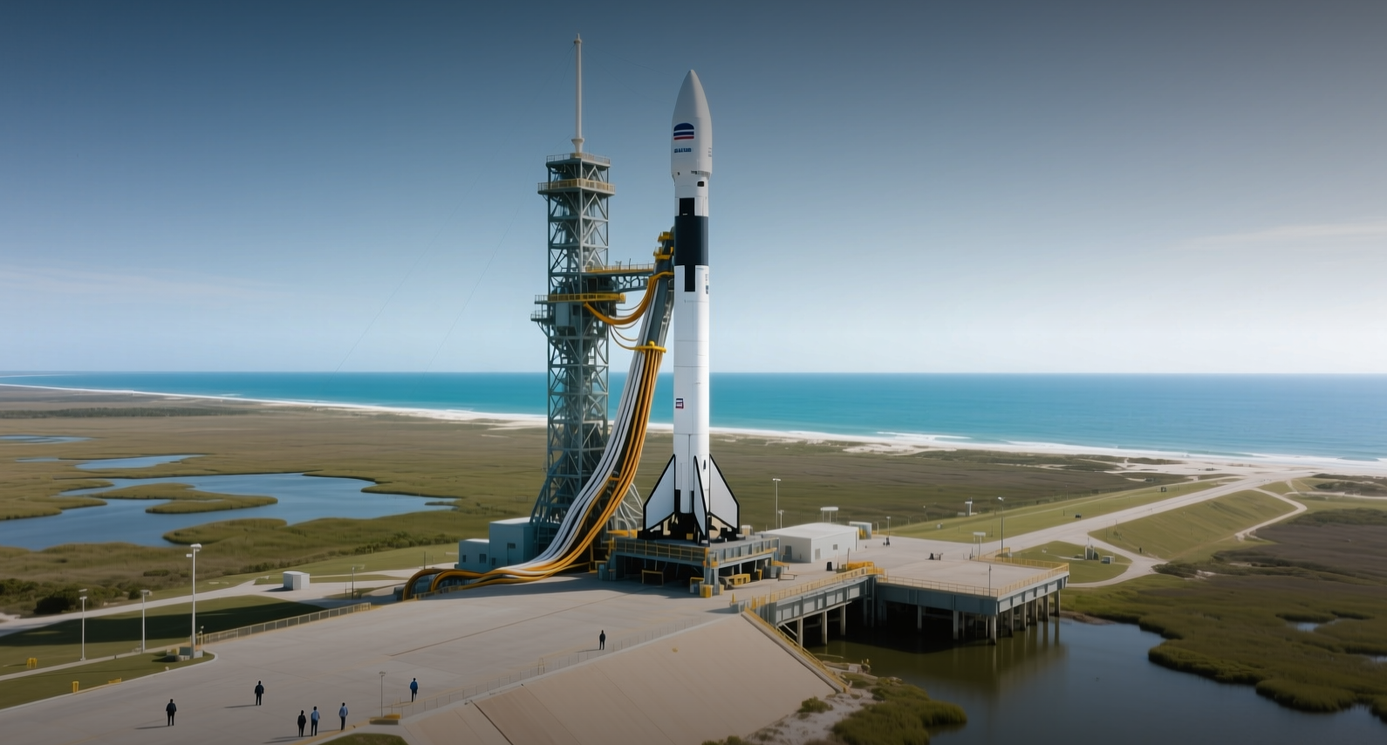
SpaceX launched its 260th and final Falcon 9 Starlink mission from Florida on Tuesday, carrying 29 satellites to low Earth orbit as the company shifts East Coast Starlink deployment to its Starship rocket.
"Once Starship starts flying, you're gonna probably see them a lot more than you ever saw with Falcon 9," Zac Aubert, founder of The Launch Pad Network, said.
The mission used booster B1067 on its record 37th flight and marked SpaceX's 100th Falcon 9 launch of 2026. The company hit its 100th orbital launch overall on Aug. 22, roughly two months faster than in 2024. The Starlink constellation surpassed 11,000 satellites on Aug. 19, representing about two-thirds of all active satellites in orbit.
The transition carries execution risk. Starship infrastructure at Cape Canaveral Space Force Station and Kennedy Space Center remains under construction, with the first Florida Starship launch expected early next year. Falcon 9 Starlink missions will continue from Vandenberg Space Force Base in California, while Florida's Falcon 9 and Falcon Heavy will fly customer and NASA payloads.
The end of Falcon 9 Starlink flights from Florida reshapes the Space Coast's launch cadence. SpaceX Vice President of Launch Kiko Dontchev posted that the Falcon 9 has flown about 260 Starlink missions from the Cape over the past seven years. Those missions helped drive a resurgence in the region's space industry, according to Aubert.
"What reignited the Space Coast industry was these Starlink launches over the last, what was it, eight years or so," Aubert said.
Falcon 9 first stages have been successfully landed and reflown more than 600 times, according to SpaceX Launch Statistics. The most-flown booster, B1067, has averaged better than one flight per month in 2026 alone. Reusability has reduced launch costs significantly compared to expendable rockets, enabling SpaceX to deploy dozens of satellites on a relentless schedule.
Starship Transition Carries Operational Risk
The Starlink constellation is not static. Older satellites are continuously retired and descend toward atmospheric reentry, while new ones climb to operational orbit. This persistent churn means maintaining and expanding the network requires an ongoing stream of launches. In 2026, 74 of SpaceX's first 100 missions have been devoted to Starlink deployment.
Starship is designed to carry significantly larger payloads than Falcon 9, potentially allowing SpaceX to deploy more Starlink satellites per mission. But the transition is still a work in progress. Space analyst Ken Kremer of Space Up Close said Starship's infrastructure at Cape Canaveral and Kennedy Space Center remains under construction, with the first Florida Starship launch more likely to happen early next year. NASA's Artemis III mission adds urgency to the development.
Falcon 9 launches are not disappearing from Florida. The rocket will continue flying customer payloads and NASA missions from the Space Coast, while Falcon Heavy will make occasional appearances. NASA's Nancy Grace Roman Space Telescope is scheduled to launch on a Falcon Heavy this weekend, and Crew-13 is scheduled to launch on a Falcon 9 next month.
The shift also affects the orbital environment. The dense low-orbit Starlink network offers lower-latency internet to remote areas, ships, and aircraft — the core purpose it was designed to serve. Yet the concentration of such a large fleet under one operator raises questions about orbital resources and access that space policy experts continue to debate.
For investors, the transition signals confidence in Starship's readiness but introduces near-term operational costs and potential launch cadence disruptions. SpaceX's ability to maintain its Starlink deployment rate through the transition will determine whether the company can sustain its competitive position in satellite internet against emerging rivals.
This article is for informational purposes only and does not constitute investment advice.
