
Rocket One Inc. is investing in Placeve Inc. to bring energy-efficient AI processors to defense, space and edge computing — three markets where power constraints are reshaping chip design.
Rocket One Inc. is investing in Placeve Inc. to bring energy-efficient AI processors to defense, space and edge computing — three markets where power constraints are reshaping chip design.
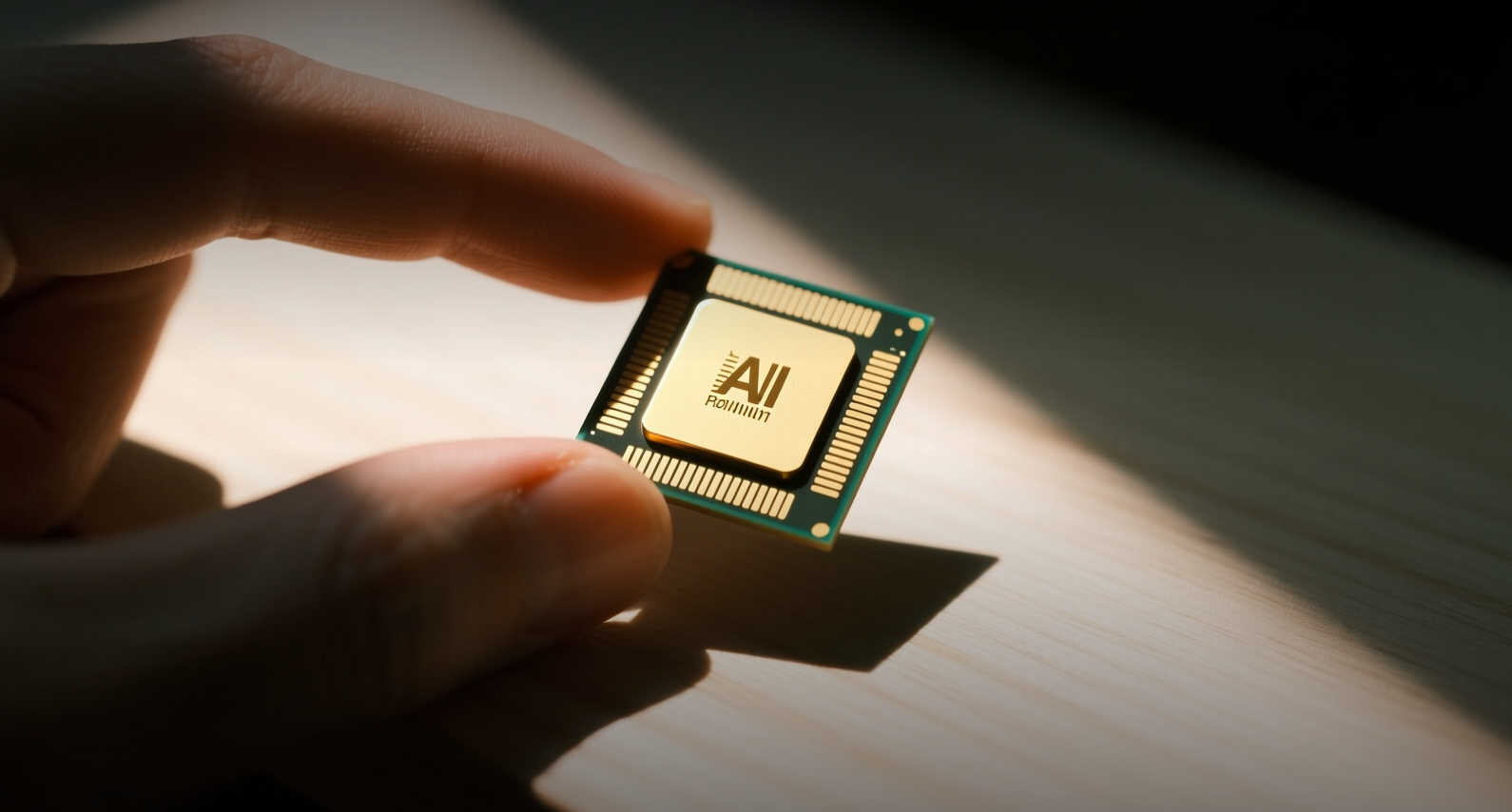
Rocket One Inc. is investing in Placeve Inc. to bring energy-efficient AI processors to defense, space and edge computing — three markets where power constraints are reshaping chip design.
The push to run artificial intelligence beyond data centers — on satellites, drones and battlefield systems — is forcing a rethink of chip architecture, and Rocket One Inc. is betting on Placeve Inc.'s photonic-electronic processors to get there first.
"Artificial intelligence is rapidly moving beyond traditional data centers into satellites, autonomous systems, defense platforms and critical infrastructure," Robb Knie, chief executive officer of Rocket One, said. "Those environments require fundamentally different computing architectures that maximize performance while minimizing power consumption."
Rocket One made an initial investment in Placeve as part of the collaboration, though the amount was not disclosed. The companies plan to jointly evaluate Placeve's proprietary Fourier Processing Unit architecture — a hybrid design that combines optical and electronic components — for applications spanning defense, autonomous systems, commercial edge computing and orbital platforms. Placeve's technology is already being tested through NASA's Materials International Space Station Experiment program aboard the International Space Station, providing operational data in the radiation-heavy environment of low-Earth orbit.
The partnership adds to Rocket One's existing nanomagnetic and spintronic computing initiatives and its pending patent applications for an AI-powered autonomous defense and space security platform. Together, these bets place the company at the intersection of three fast-growing markets where demand for energy-efficient, high-performance computing is accelerating — but where the technology remains largely unproven outside laboratory settings.
Photonic-Electric Chips Take on the Radiation Problem
Placeve's Fourier Processing Unit uses a hybrid photonic-electronic approach that the company says delivers high-performance AI inference while consuming less power than traditional all-electronic chips. In space, where radiation can corrupt data through a phenomenon known as "bit flipping" — high-energy particles rewriting memory hardware — the architecture's tolerance to such environments becomes a selling point. The NASA MISSE program evaluation provides independent confirmation of the technology's ability to operate in orbit, though Placeve has not disclosed specific performance data from those tests.
The $64 Billion Question in Edge AI
The global market for AI chips in edge computing — devices that process data locally rather than in the cloud — is projected to reach $64 billion by 2030, according to Allied Market Research. Defense and space represent a smaller but higher-margin slice, with the US Department of Defense alone spending more than $1 billion annually on AI-related computing hardware. Rocket One's strategy of bundling nanomagnetic memory technology with Placeve's FPU architecture could give it a differentiated offering in a field dominated by Nvidia Corp.'s Jetson platform for edge AI and Intel Corp.'s Movidius vision processing units.
Rocket One shares trade on the Nasdaq under the ticker RKTO, though the company's market capitalization was not immediately available. The partnership with Placeve is unlikely to generate near-term revenue — both companies acknowledged the technology remains in early-stage evaluation. But for investors tracking the intersection of AI, defense and space, the collaboration points to where the next wave of computing infrastructure spending may flow: away from centralized data centers and toward the edge, the orbit and the battlefield.
This article is for informational purposes only and does not constitute investment advice.
