


Optical communication stocks fell more than 3% in US pre-market trading Monday, joining a broader selloff that erased billions from AI and semiconductor shares.
Optical communication stocks fell more than 3% in US pre-market trading Monday, joining a broader selloff that erased billions from AI and semiconductor shares.
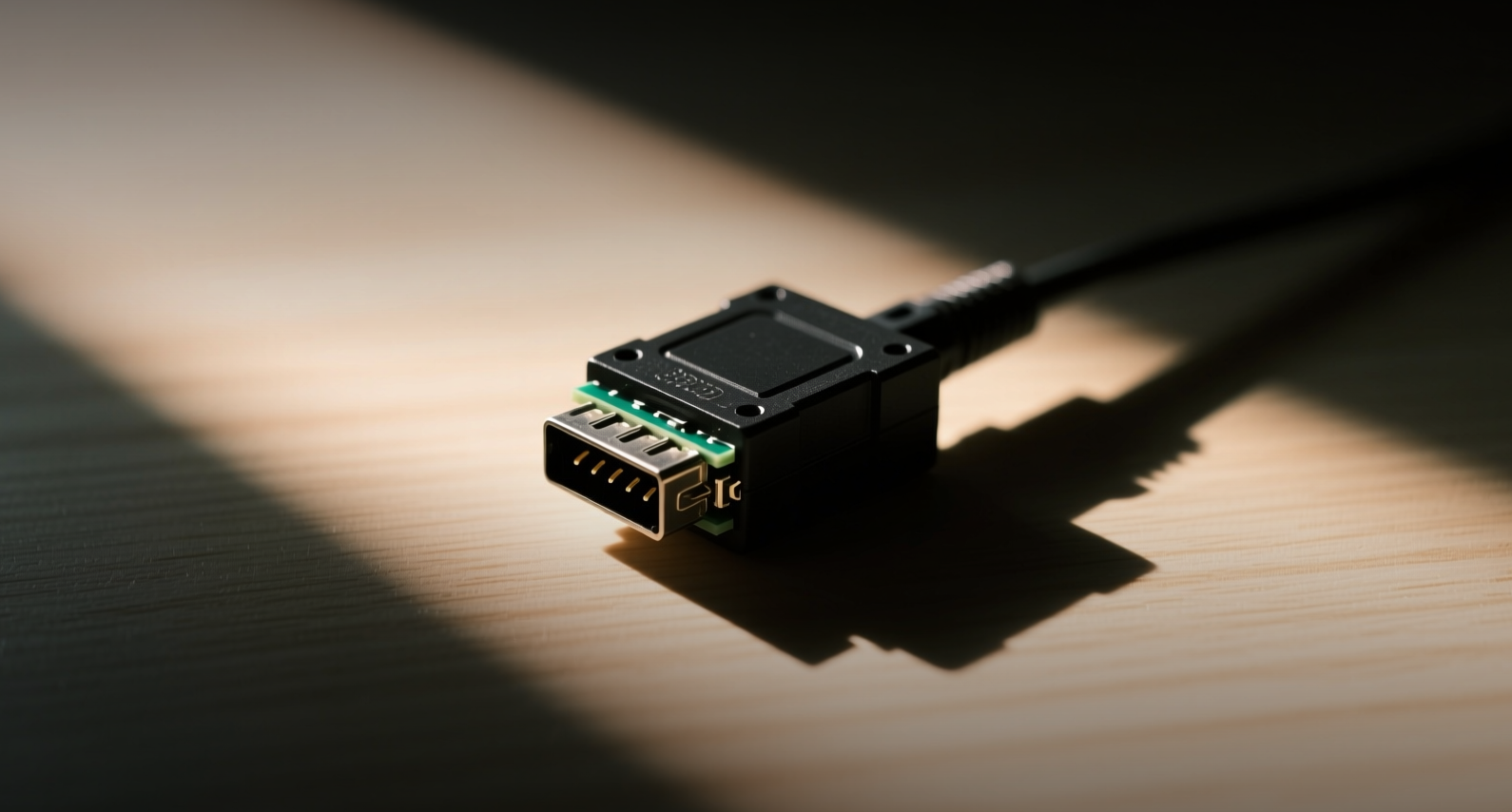
Optical communication stocks fell more than 3% in US pre-market trading Monday, joining a broader selloff that erased billions from AI and semiconductor shares.
Coherent, Lumentum, Corning and Credo each fell more than 3% in pre-market trading, according to market data. The declines hit a sector that had been among the best performers this year, with Coherent shares more than doubling over the past 12 months on surging demand for optical transceivers — the fiber-optic components that connect GPUs in AI data centers.
The selloff extended across the semiconductor complex. SK Hynix's US-listed shares sank 10.4%, while Micron Technology dropped 6.6%, according to pre-market data. Nvidia fell 2.16%, and storage makers SanDisk, Seagate Technology and Western Digital each lost more than 5%. Among chip equipment makers, Applied Materials fell 4.72% and Lam Research dropped 4.31%.
CPO-related stocks — tied to co-packaged optics, a technology that integrates optical components directly with switch chips to reduce power consumption in AI data centers — also moved lower. Lumentum fell 4.24%, while Applied Optoelectronics dropped 4.01%, extending a pullback from recent highs.
The pullback comes after a blistering rally in optical stocks this year. Coherent's datacenter and communications segment generated $1.36 billion in revenue last quarter, up 41% from a year earlier, driven by demand for 800G transceivers used in AI clusters. The company received a $2 billion investment from Nvidia tied to US manufacturing and was added to the S&P 500 in June.
The optical component supply chain has been one of the tightest bottlenecks in AI infrastructure. Hyperscalers including Microsoft, Amazon and Google have been ordering 800G transceivers as fast as manufacturers can produce them, pushing contract manufacturers like Fabrinet to nearly double capital spending to $64 million last quarter to meet demand. The transition to 1.6T transceivers — the next generation of optical interconnects — is expected to accelerate through 2027, creating a multiyear tailwind for the sector.
The competitive dynamics in the optical sector have shifted dramatically this year. Coherent has emerged as the dominant merchant supplier of high-speed transceivers, while smaller players like Applied Optoelectronics and Lumentum have carved out positions in specific segments. Credo Technology, which specializes in high-speed connectivity solutions, has benefited from the same demand wave. Monday's coordinated decline suggests the market is treating the sector as a single trade, making individual stock selection less relevant during broad risk-off moves.
For investors, the question is whether the AI infrastructure trade is experiencing a healthy pullback or the beginning of a more sustained rotation. Optical component makers have been among the biggest beneficiaries of hyperscaler capital spending, with Coherent, Lumentum and Applied Optoelectronics each posting triple-digit percentage gains over the past year. Coherent trades at roughly 38 times forward earnings, a premium that reflects its leadership in the optical transceiver market but also leaves it vulnerable to sentiment shifts. Any sustained pullback in Nvidia's shares could ripple through the entire optical supply chain that depends on its GPU shipments, making Monday's pre-market action a key signal for investors watching the AI trade.
This article is for informational purposes only and does not constitute investment advice.
