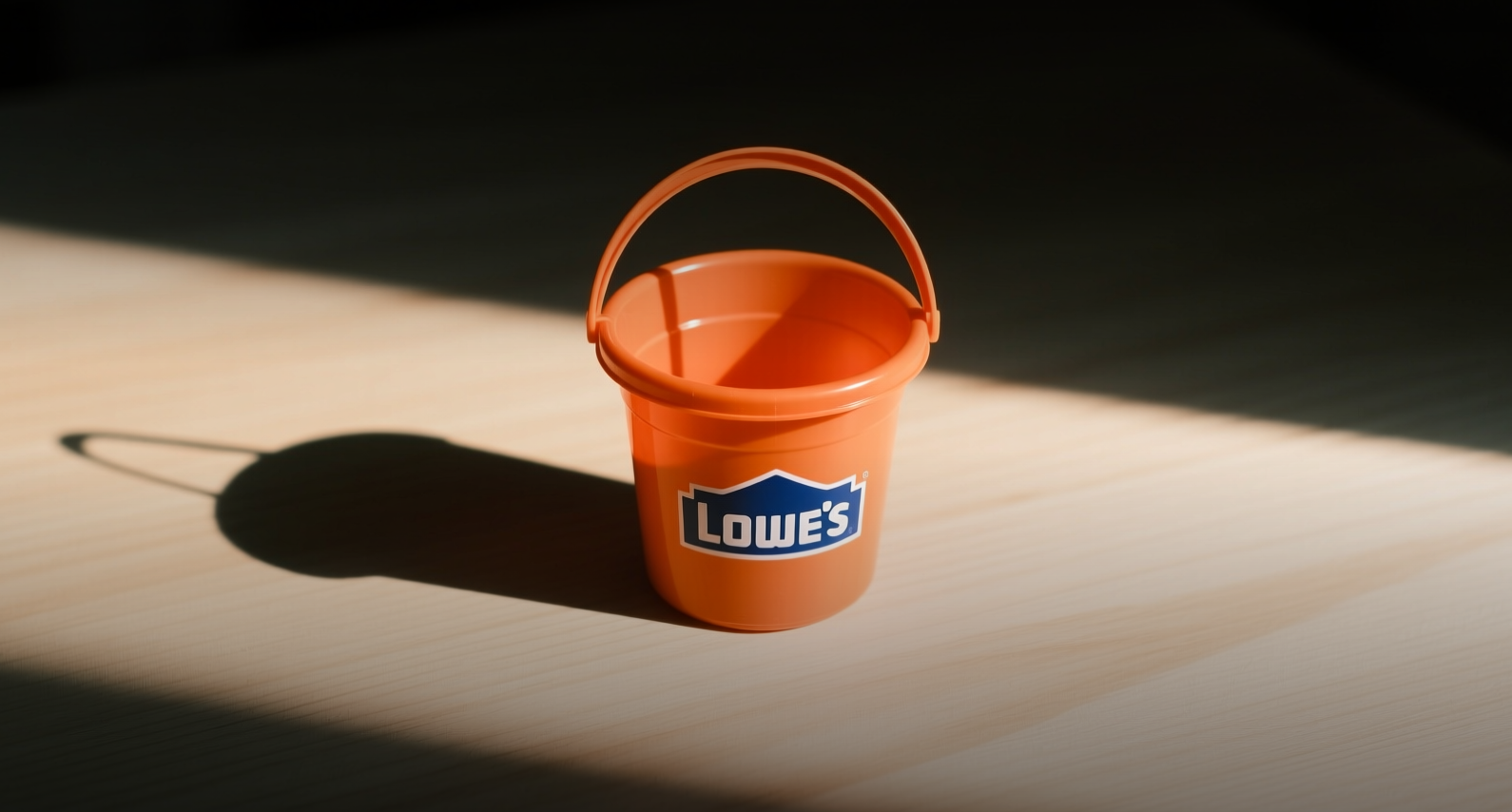
US consumers are swapping big-ticket purchases for miniature indulgences, creating a retail phenomenon dubbed the "Mini Effect" that is reshaping how companies from Lowe's to Trader Joe's approach product strategy amid persistent inflation.
US consumers are abandoning big-ticket purchases for cheaper miniature alternatives, a shift dubbed the "Mini Effect" that is reshaping retail strategy as stagnant wage growth and elevated inflation squeeze household budgets. Lowe's, Trader Joe's, Home Depot and Ace Hardware have all reported surging demand for smaller, lower-priced items that offer low-risk satisfaction.
"When the economy is under pressure, consumers avoid large financial commitments but still want small moments of satisfaction," said Jen Wilson, chief marketing officer at Lowe's, which coined the term internally. "Mini products have not only sold well themselves but have driven customers to add regular-sized items to their carts."
The trend spans home improvement, groceries and small appliances. Lowe's mini buckets pull shoppers toward mulch, flowers and cleaning supplies. Ace Hardware chief retail strategy officer Andy Enright described mini collectibles as a "huge craze" boosting store traffic. Bissell's mini carpet cleaner generated 10 percent of the company's US sales in the second quarter. Trader Joe's mini canvas bags routinely sell out within minutes, becoming social media sensations.
The shift signals a broader consumer retrenchment with long-term implications for the retail sector. The top 20 percent of US households now account for nearly 60 percent of all personal outlays, according to Moody's Analytics chief economist Mark Zandi, while the bottom 80 percent saw real spending grow just 0.1 percent in the 12 months through March — barely keeping pace with 2.6 percent inflation. For retailers, the Mini Effect offers a way to maintain revenue growth even as most households pull back on discretionary spending.
Why Small Is Selling
The psychology behind the Mini Effect mirrors the classic "lipstick effect" — the tendency for consumers to buy small luxuries during downturns — but with a distinct modern twist. Charles Chaffin, a financial psychology professor at Iowa State University, described the current macroeconomic environment as a "perfect storm" for the trend.
"The more uncertain the macro environment, the more consumers gravitate toward low-risk trial purchases," Chaffin said. A low price means low regret, even if the product disappoints.
New York Fed data from June shows consumers expect inflation to remain elevated, driven by medical costs and rent. Truist Advisory Services US economic head Michael Skordeles warned that rising oil prices are pushing up costs for plastics and cotton, which could further suppress big-ticket spending and reinforce the shift toward smaller purchases.
The Mini Effect is distinct from shrinkflation, where companies quietly reduce package sizes while keeping prices unchanged. Here, the smaller size is transparent and comes with a lower absolute price, making it a deliberate value proposition rather than a hidden cost increase.
Beyond Price: The Emotional Appeal
Mini products also tap into visual and emotional triggers that amplify their appeal. Bright colors, cute designs and collectibility make them inherently shareable on social media, creating organic marketing loops that retailers are eager to exploit.
Lowe's deliberately controls restocking of its mini products to maintain scarcity, Wilson said, ensuring that limited supply keeps consumer excitement high. The strategy has worked: mini products frequently sell out, and the buzz drives repeat store visits.
The trend is extending into higher price brackets too. GE Appliances sells a mini ice maker for about $299, while Smeg's mini milk frother retails for roughly $200. Ilaria Castagnoli, a product trainer at Smeg, said the current economic climate makes it hard for consumers to plan long-term purchases, pushing the company to consider mini versions of more product lines.
In the beverage category, small-format alcohol sales grew about 51 percent between 2020 and 2025, according to industry data. Dash, a kitchen appliance brand, now offers more than 10 mini appliances, all in bright colors designed to appeal to budget-conscious but style-aware shoppers.
What It Means for Retailers
The Mini Effect is not a universal solution. For retailers that can execute it — using small products as loss leaders or traffic drivers — the payoff extends beyond the item's price tag. Lowe's reported that mini-bucket buyers frequently add full-price items to their baskets, lifting overall transaction value.
But the trend also carries a warning for the broader economy. When consumers consistently choose miniature over full-size, it signals deep-seated caution about financial stability. Moody's data shows that the wealth effect from stock market gains flows almost entirely to the top 20 percent of households, who hold nearly 90 percent of corporate equities and mutual funds. If stocks stumble, that spending engine could stall quickly.
For now, the Mini Effect is helping retailers navigate a divided consumer landscape. As Marshal Cohen, chief retail advisor at Circana LLC, put it: US consumers are undergoing a "fundamental shift" in how they think about spending — one that favors small commitments over large ones, and instant gratification over long-term investment.
This article is for informational purposes only and does not constitute investment advice.