

Mesoblast's first full year of RYONCIL sales delivered $120 million in revenue and a 44% narrower net loss, funding three late-stage trials.
Mesoblast's first full year of RYONCIL sales delivered $120 million in revenue and a 44% narrower net loss, funding three late-stage trials.
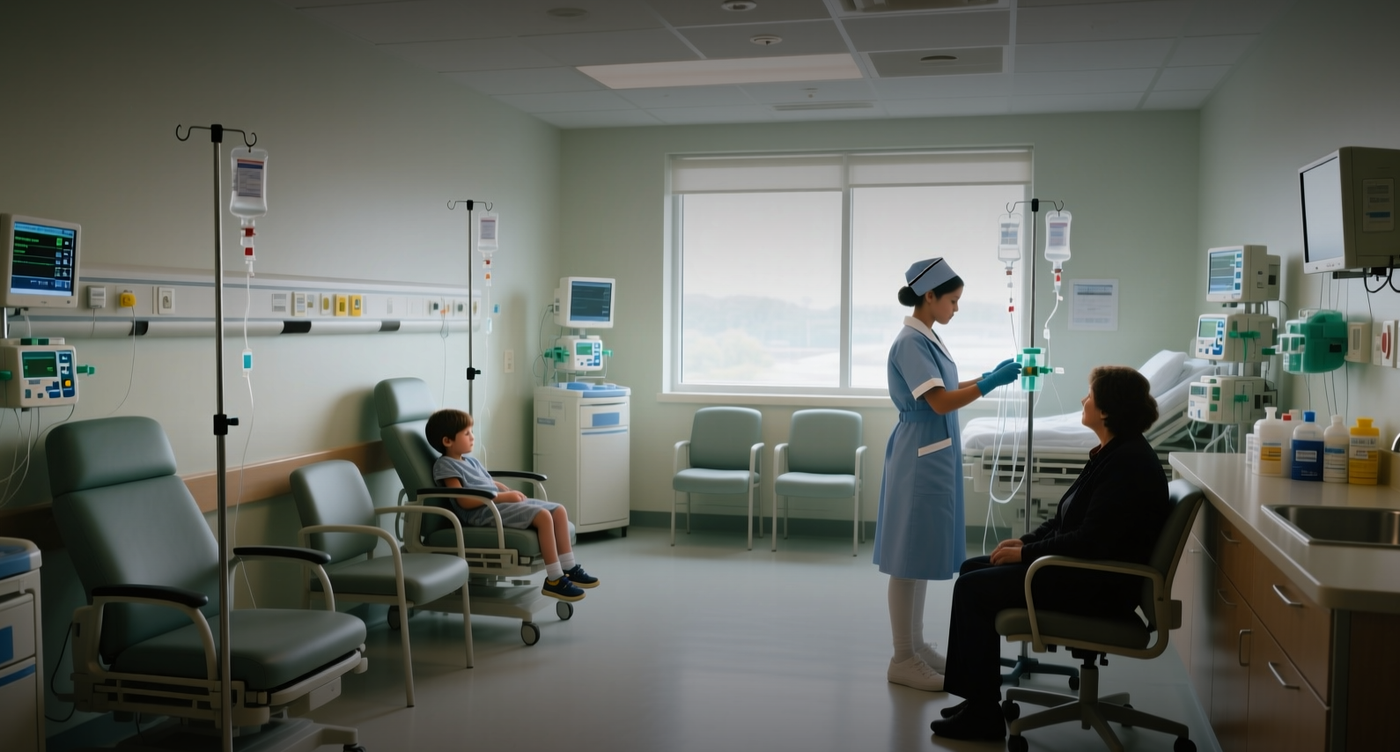
Mesoblast's first full year of RYONCIL commercial sales drove revenue to $120 million in fiscal 2026, with gross profit of $104 million, as the cell therapy's adoption spread across more than 50 U.S. treatment centers.
"We are very pleased to report a strong full year gross profit of US$104M for the fiscal year 2026," Chief Executive Silviu Itescu said in the results statement.
Net loss narrowed 44% to $57.5 million, with cash of $103 million at year-end and second-half cash burn of $13.4 million, down from $50 million a year earlier. RYONCIL, the first FDA-approved mesenchymal stromal cell therapy for steroid-refractory acute graft-versus-host disease, reached insurance coverage of more than 98% of U.S. lives after receiving a J-code in October 2025.
The company is funding three late-stage programs — a 180-patient adult GVHD trial, a 350-patient chronic low back pain study, and a Duchenne muscular dystrophy Phase III — with back-pain results expected in the second half of calendar 2027.
RYONCIL generated $115 million in fiscal 2026 revenue, its first full year of commercial sales, with fourth-quarter net revenue of $36 million. In real-world use, the therapy has shown 84% early survival among treated children with acute GVHD, Itescu said.
Mesoblast is enrolling a 180-patient randomized trial in adults with Grade 3 or 4 steroid-refractory acute GVHD, comparing ruxolitinib alone with ruxolitinib plus RYONCIL. The study, running across more than 40 U.S. sites, is expected to take about 18 months, with an interim analysis in the fourth quarter of 2027 after roughly 100 patients. In compassionate use, patients who failed ruxolitinib showed 76% survival at day 100 when treated with RYONCIL, compared with survival of about 20% to 30% in reports of other third-line agents.
Mesoblast completed treatment of all 350 patients in its pivotal Phase III trial of rexlemestrocel-L for chronic low back pain associated with degenerative disc disease, with results expected in the second half of calendar 2027. If successful, the company plans to file a biologics license application, with a potential approval timeline in calendar 2028. The study is designed to replicate an earlier Phase III in which a single injection produced pain reduction beginning at six months and persisting through at least 36 months.
The FDA cleared Mesoblast's investigational new drug application for a Phase III trial of RYONCIL in pediatric Duchenne muscular dystrophy, targeting children as young as 3 or 4. The company is also pursuing approval of REVASCOR for advanced heart failure patients supported by left ventricular assist devices, after a prior randomized trial showed reductions in major gastrointestinal bleeding and hospitalizations related to right heart failure.
Mesoblast shares closed at $16.84, down 2.04%, giving the company a market capitalization of about $3.05 billion. Chief Financial Officer Jim O'Brien said fiscal 2027 cash burn is expected to be lower than fiscal 2026, supported by anticipated RYONCIL growth, though he declined to specify when operations would turn cash-flow positive. The company holds a $125 million credit facility at 8% interest with no principal amortization for five years.
This article is for informational purposes only and does not constitute investment advice.
