

L3Harris shares have fallen 11% this year, but the defense contractor's near-duopoly on solid rocket motors makes it a rare bargain in the missile rearmament cycle.
L3Harris shares have fallen 11% this year, but the defense contractor's near-duopoly on solid rocket motors makes it a rare bargain in the missile rearmament cycle.
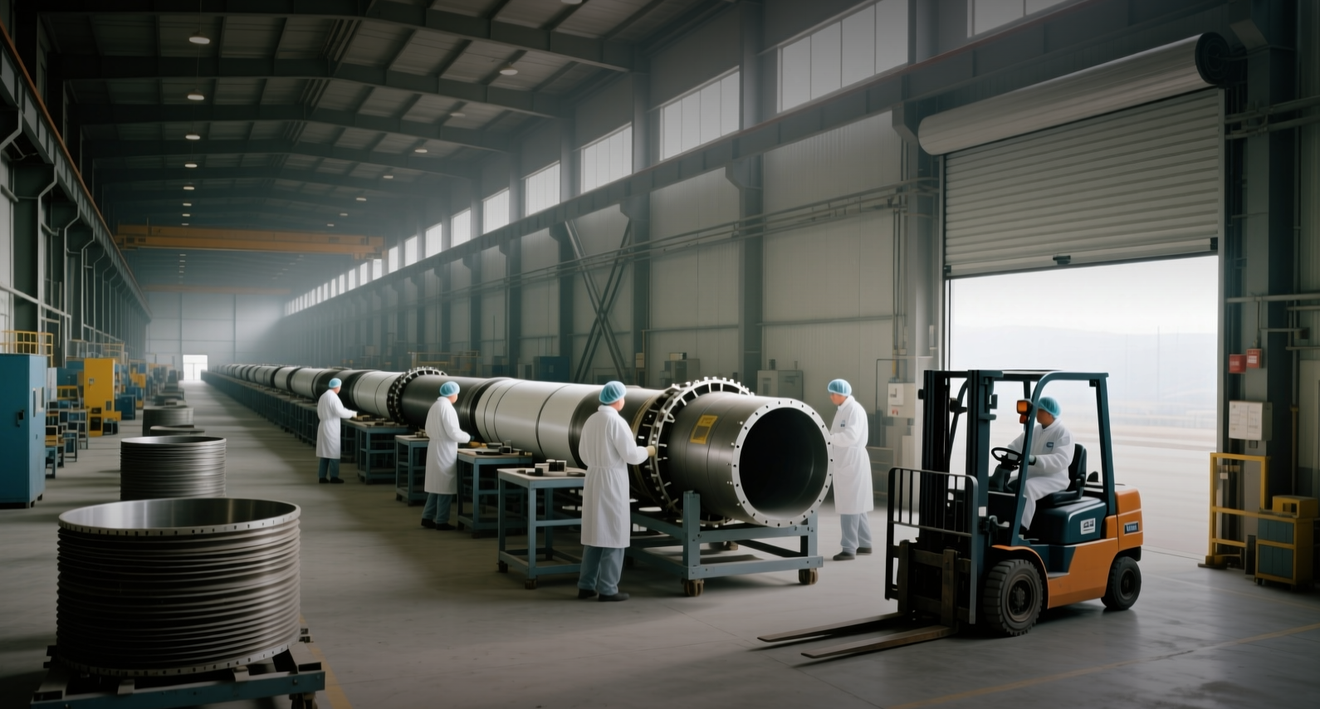
L3Harris shares trade at less than 16 times forward free cash flow, the cheapest among U.S. defense primes, after CEO Christopher Kubasik was ousted over misconduct allegations. The stock has underperformed a basket of large U.S. defense prime peers by more than 20 percentage points this year, even as the Pentagon's missile replenishment push accelerates.
"Solid rocket motors are the most critical thing that we're most short of in the defense industry," said Tony Bancroft, who manages the Gabelli Commercial Aerospace & Defense ETF, which holds L3Harris.
L3Harris and Northrop Grumman are the only two companies producing solid rocket motors at scale, making as many in one day as all smaller manufacturers produce in a year, according to Sheila Kahyaoglu, equity analyst at Jefferies. The U.S. has used about half of its prewar interceptor stock, per CSIS estimates, and the Pentagon has signed framework agreements with L3Harris to quadruple Thaad propulsion component production and nearly triple Patriot PAC-3 motor output over seven years.
The company expects organic revenue to reach $27 billion by 2028, an 8 percent compound annual growth rate that exceeds the 5-7 percent range forecast for larger defense primes, according to Visible Alpha. With the missile spinoff postponed to at least mid-2027, the stock's discount may persist — but the underlying demand for interceptors is only growing.
The Iran war has depleted U.S. interceptor stocks to fewer than 1,000 Patriot rounds and roughly 250 THAAD interceptors, with each Patriot replacement costing about $3.9 million and taking years to build. The Pentagon awarded X-Bow Systems an $11 million contract under the Missile Defense Agency's Low-Cost Interceptor effort, targeting interceptors at under $750,000 per shot — roughly a fifth the cost of a Patriot.
New entrants face steep barriers. Manufacturing solid rocket motors involves handling hazardous propellants, and new companies haven't proven they can transition from prototypes to limited production, according to a June report from the Center for Strategic & International Studies. That leaves L3Harris and Northrop Grumman as the gatekeepers of the supply chain.
Sam Mehta, the new CEO, was the heir apparent before Kubasik's sudden exit, said Bancroft, who noted the succession was merely pulled forward. The company's communication segment, which makes tactical radios, data links and electronic warfare systems, carries 25 percent operating margins and has seen high demand from Europe.
Allied countries are also building cheaper alternatives. The nine-nation Freyja initiative targets a $700,000-a-round interceptor, and Lockheed Martin's new PAC-3 ACE missile is expected to cost less than half as much as a PAC-3 MSE round. But none of these options is expected before next year, and X-Bow's prototype flight demonstration isn't due until late 2027.
L3Harris shares might remain in limbo until the company provides clarity on its missile-business spinoff. But the company holds a precious moat in a product that is desperately needed, with growth that likely exceeds peers — worth paying for at a discount.
This article is for informational purposes only and does not constitute investment advice.
