
US-Iran standoff over the Strait of Hormuz risks a multi-year shipping crisis as tanker freight rates surge to $20 million and Torm warns the market underestimates the risk of prolonged deadlock.
US-Iran standoff over the Strait of Hormuz risks a multi-year shipping crisis as tanker freight rates surge to $20 million and Torm warns the market underestimates the risk of prolonged deadlock.
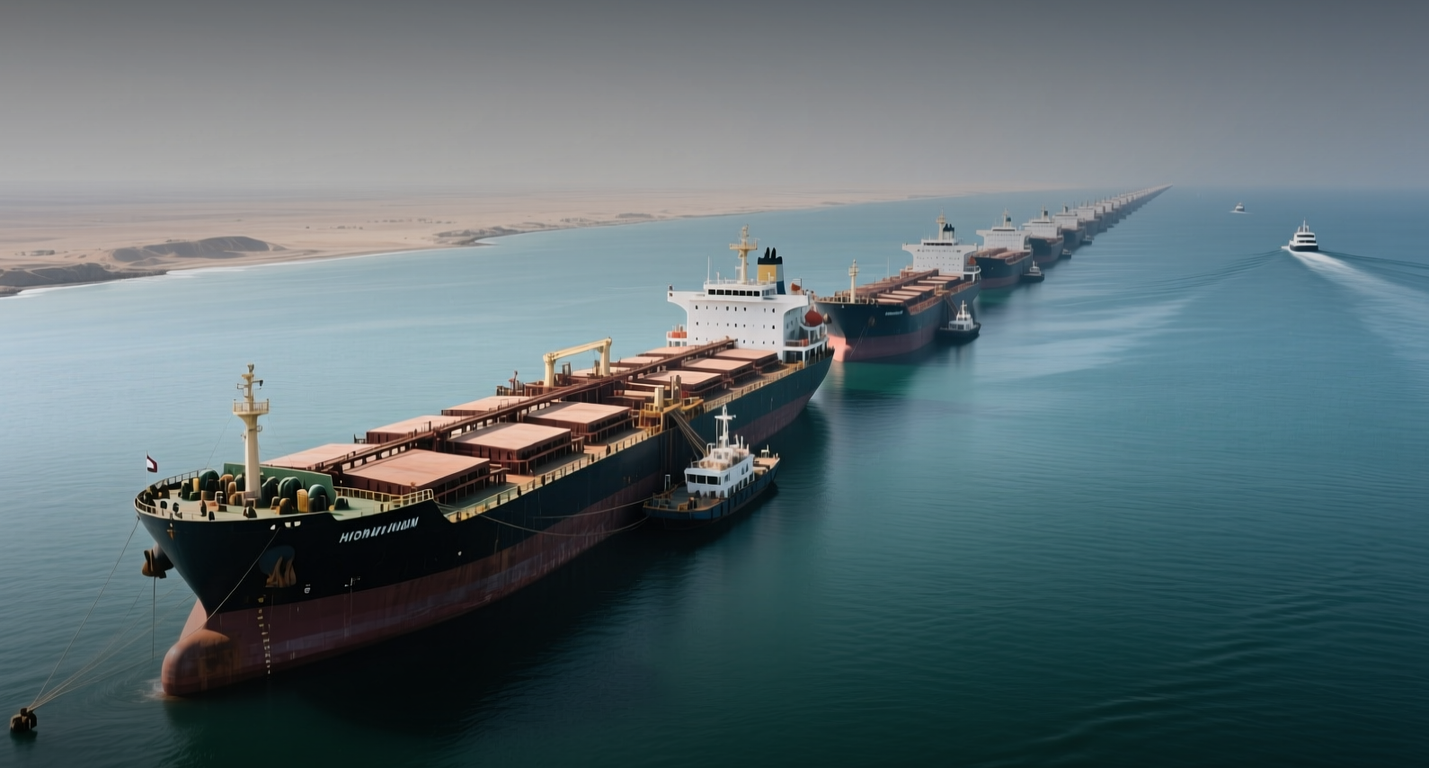
Tanker freight rates have surged to multi-year highs as the US-Iran standoff over the Strait of Hormuz hardens into a prolonged economic war of attrition, with shipping executives warning the market underestimates the risk of a multi-year deadlock.
President Donald Trump said Aug. 26 there is "no timetable" for Iran to return to negotiations, insisting economic sanctions are as effective as military strikes. Treasury Secretary Scott Bessent launched a new sanctions package Aug. 24 targeting about 60 entities, individuals and vessels under a campaign dubbed "Operation Economic Outcast." Iran and Oman agreed on a phased framework for a safe shipping corridor through the Strait of Hormuz, but Tehran has set stringent conditions for full reopening — including an end to all wars on the Lebanon front, lifting of the blockade, resolution of the Yemen issue, and full US fulfillment of prior commitments.
"The market is severely underestimating the risk of this conflict becoming a Ukraine-style prolonged stalemate that could last months or even years," said Jacob Meldgaard, chief executive of Danish tanker operator Torm. His company's second-quarter net profit hit a record $338 million, roughly six times year-ago levels, as war-risk premiums and reduced shipping efficiency boosted earnings.
Brent crude trades near $85 a barrel while West Texas Intermediate hovers around $80, after both benchmarks fell more than $2 on renewed Iran-Oman talks over a temporary shipping corridor. Freight rates for Suezmax tankers carrying Russian Urals crude from the Black Sea port of Novorossiysk to India have climbed to nearly $20 million, from about $13 million last month, according to three trade sources. Aframax cargoes from the Baltic port of Primorsk to India now cost about $13 million, up from roughly $8 million in early July.
The stakes are enormous. The Strait of Hormuz normally carries about 20 million barrels of oil per day — roughly one-fifth of global petroleum liquids consumption and about 25 percent of seaborne oil trade. Global oil inventories have already fallen by approximately 410 million barrels since the war began, according to the International Energy Agency, leaving the market with thin buffers if the waterway remains restricted.
Iran's Conditions and the Diplomatic Impasse
Iran's Deputy Foreign Minister Gharibabadi dismissed Trump's claim that US forces had cleared mines from the strait as "propaganda lies" designed to calm markets. He warned Iran would strike US minesweepers entering the area. The Iran-Oman framework is only a temporary measure allowing commercial vessels to pass, with technical negotiations on permanent routes scheduled within 30 to 60 days.
The diplomatic stalemate has pushed Washington to shift from military escalation toward economic isolation. US officials said the administration has no immediate plans for new strikes, instead relying on naval blockade and sanctions while retaining the right to respond if Iran attacks first. The State Department is preparing to return evacuated diplomats to the Middle East as early as this week, suggesting Washington expects no full-scale war in the near term.
Shipping Costs Reshape Global Trade
The crisis is fundamentally reshaping tanker economics. Meldgaard said Gulf states are buying tankers to expand their national fleets, and maintaining pre-war export volumes may require twice as many crude supertankers and three times as many large product tankers because of reduced route efficiency. He called expectations of a return to pre-crisis shipping conditions "an unrealistic fantasy."
Russian oil exports are already feeling the strain. Shipments from Russia's western ports fell to about 2.3 million barrels per day in the first half of August, 15 percent below the initial loading plan, because of disruptions at Novorossiysk. Drone attacks have repeatedly interrupted loading operations, forcing exporters to divert cargoes to Baltic ports and tightening vessel availability.
The last time the Strait of Hormuz faced sustained disruption was in 2019, when tanker seizures and attacks pushed Brent above $70 a barrel within weeks. The current crisis is more severe: the war has now lasted nearly six months, and the IEA warns that reopening the strait has become increasingly urgent as inventory buffers deplete.
For energy markets, the key variable is whether the Iran-Oman corridor becomes operational and whether tanker traffic resumes at scale. Until then, freight rates, war-risk insurance premiums and crude prices are likely to remain elevated, with the risk premium embedded in Brent near $85 reflecting the market's assessment that a full reopening remains distant.
This article is for informational purposes only and does not constitute investment advice.
