The recent climb in Treasury yields to multi-year highs is the product of a strong U.S. economy rather than a broken market, New York Fed President John Williams said Wednesday, even as he stopped short of signaling whether the central bank will raise rates at its Sept. 15-16 meeting.
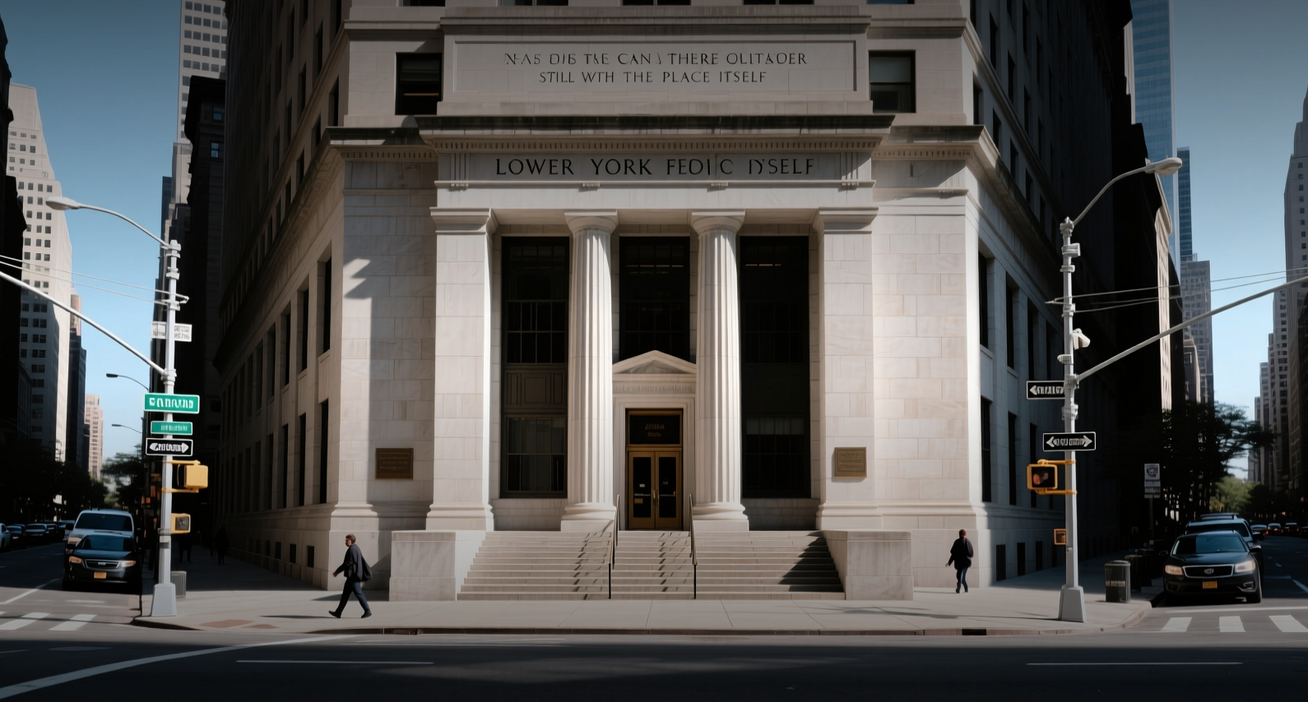
"There's no clear signs right now whether monetary policy currently is sufficient to make sure we bring inflation back to target in the next year or two, or whether you need to see further action to do that," Williams told CNBC's Steve Liesman on "Squawk Box" from the bank's headquarters in lower Manhattan.
Traders put roughly 66% odds on a rate hike at the Sept. 15-16 Federal Open Market Committee meeting, according to the CME Group's gauge, as long-dated Treasury yields climbed to multi-year highs. Williams, a permanent voter on the rate-setting committee, said the run-up is driven in large part by a strong U.S. economy and outlook fueled by big investments in AI, data centers and technology, rather than by financial conditions tightening on growth.
A hike would raise borrowing costs on variable-rate products such as credit cards, home-equity lines of credit and adjustable-rate mortgages, while lifting yields on savings accounts and certificates of deposit. The reverse holds if the Fed holds steady: borrowers keep current rates while savers see deposit yields plateau near recent levels.
Williams stressed that recent inflation data have been "encouraging" but cautioned against reading too much into one or two months of figures. "We've got to get a full picture and look at all the different pieces of information we have," he said, adding that he sees inflation expectations as "well-anchored" despite a run-up this year in prices linked to tariffs and the Iran War.
The yield surge has become the dominant story in financial markets, with investors at the long end pricing in expectations for inflation and economic growth. Williams framed that move as the economy affecting financial conditions rather than the reverse, a distinction that matters for how the Fed interprets the market signal heading into its September decision.
For households, the stakes hinge on the path of policy. If the committee delivers a hike, credit-card APRs and HELOC rates, which track the fed funds rate, would move up quickly, while mortgage rates tied to longer-dated yields have already risen with the Treasury selloff. Savers, by contrast, would see money-market funds and high-yield accounts reprice higher, though banks often lag the Fed's moves.
The September meeting follows a period in which the Fed has weighed whether current policy is restrictive enough to return inflation to its 2% target. Williams' data-dependent stance leaves the decision open, with the CME gauge showing traders leaning toward action but far from certain. Rates, yields and policy expectations shift daily, so readers should verify the latest figures against official Fed announcements and their own lenders before making financial decisions.
This article is for informational purposes only and does not constitute investment advice.