
The European Commission is drafting a sweeping policy package to shift the bloc's economy from oil and gas to electricity, a direct response to supply disruptions triggered by the Iran war.
The European Commission is drafting a sweeping policy package to shift the bloc's economy from oil and gas to electricity, a direct response to supply disruptions triggered by the Iran war.
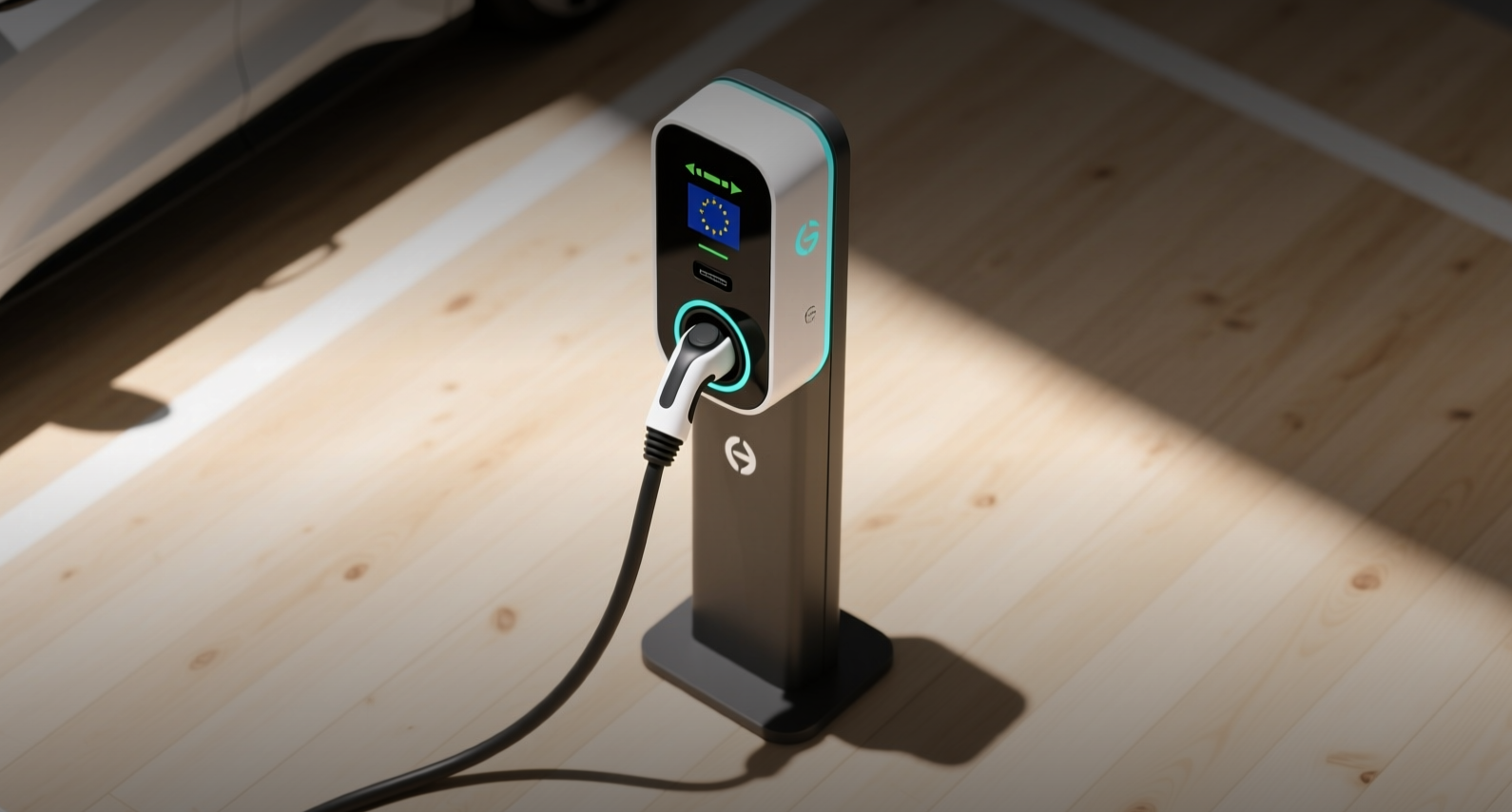
The European Union plans to introduce policies and funding schemes to shift more of its economy to run on electricity instead of oil and gas, a draft European Commission proposal seen by Reuters showed, as the Iran war exposed the risks of relying on imported fossil fuels.
"What this crisis is doing is creating the need for this energy transition to happen much faster," said Kaushik Deb, who leads the India team at the University of Chicago's Energy Policy Institute. "Increasing the share of renewables in the electricity grid is so central."
The draft, dated July 9, comes after the closure of the Strait of Hormuz cut off more than a fifth of global liquefied natural gas supplies. Asian natural gas prices shot up more than 100% from pre-war levels at their peak in March, and European prices remain more than 50% above where they stood before the conflict began. The commission's proposal is expected to include binding targets for electrification of transport, heating and industrial processes by 2040, alongside dedicated funding for grid modernization and renewable energy deployment.
The policy represents a structural shift for European energy markets that could accelerate the decline of oil and gas demand on the continent. The IEA already expects global oil demand to decline this year, a downgrade from pre-war forecasts, as electric vehicles and renewables cut into consumption. If enacted, the plan would compound pressure on fossil fuel producers while creating a surge in demand for electricity infrastructure, grid equipment and renewable generation assets.
The commission's electrification push mirrors a broader global trend accelerated by the Iran conflict. Countries across Asia and Africa are speeding up adoption of solar, batteries and electric vehicles in a deliberate strategy to decrease dependence on imported oil and gas, according to data from energy think tank Ember.
Chinese exports of solar panels rose more than 80% in March compared with a year earlier, Ember data show. China exported more than 2 million electric passenger vehicles between January and May, with nearly half of those exports occurring in April and May, according to SIA Energy. Global use of electric vehicles meant the world avoided consuming about 1.7 million barrels of oil per day last year, the IEA estimates — more than Nigeria's daily crude oil output.
Grid modernization and funding
The EU plan is expected to allocate significant funding to upgrade the bloc's electricity grids, which face capacity constraints as renewable generation expands. The commission's proposal comes alongside a separate review of the carbon market that introduces more flexibility for industry, Bloomberg reported, showing a coordinated approach to both decarbonization and competitiveness.
Pakistan's investments in solar and batteries have already allowed it to reduce oil and natural gas imports, saving billions of dollars, according to the Centre for Energy and Clean Air. The Philippines imported more than $400 million in solar panels from February to May, a 139% increase from a year earlier, Ember data show. Standard Bank, the largest bank in Africa, said its financing for renewable energy power projects outpaced that for non-renewable projects by a ratio of eight to one in 2025.
"The Chinese crashed the market," said Dele Kuti, Global Head of Energy & Infrastructure at Standard Bank. "When it comes to solar projects, it's actually not bad from a cost perspective."
What's at stake for energy markets
For the EU, the electrification plan represents a bet that domestic renewable generation and grid upgrades can provide more reliable energy security than imported natural gas. The Iran war, coming just four years after Russia's invasion of Ukraine triggered a European energy crisis, showed the vulnerability of fossil fuel supply chains.
"Demand for oil and diesel is falling like a brick," said Fareed Mohamedi, managing director at SIA Energy. "Countries can say, 'I don't need this insecurity.'"
The commission is expected to present the final proposal later this year, with implementation targets stretching to 2040. The plan would require approval from the European Parliament and member states, a process that could take 18 to 24 months.
This article is for informational purposes only and does not constitute investment advice.
