


Chip stocks are swinging more than 1% daily as early earnings season delivers conflicting signals on AI demand and inflation.
Chip stocks are swinging more than 1% daily as early earnings season delivers conflicting signals on AI demand and inflation.
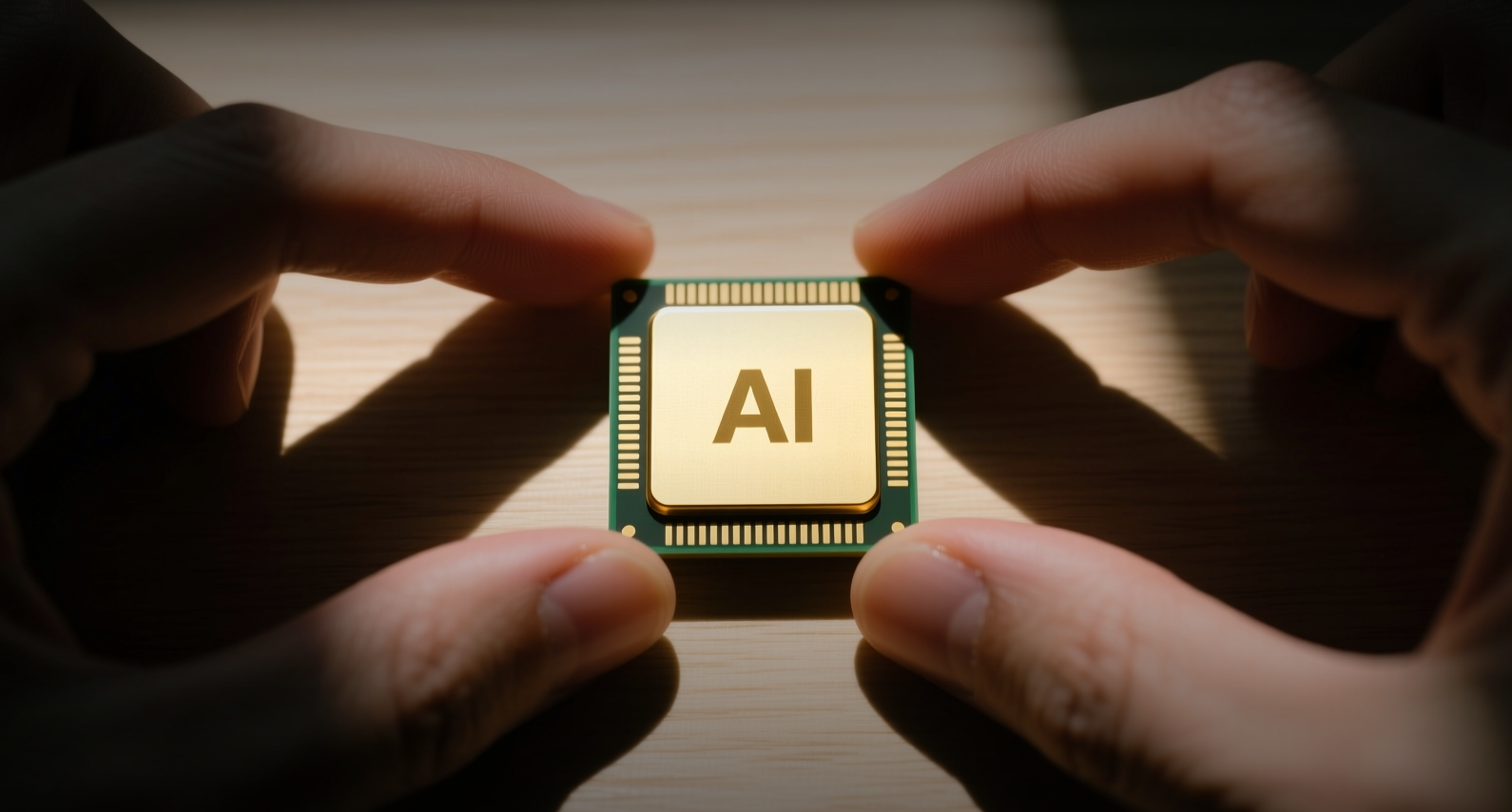
Chip stocks are swinging more than 1% daily as early earnings season delivers conflicting signals on AI demand and inflation.
Semiconductor stocks are whipsawing investors as early earnings season delivers conflicting signals, with ASML's raised $51 billion outlook boosting chip equipment names while broader inflation data keeps rate-sensitive tech on edge.
"Nvidia's next-generation AI platform is already in production with giant amounts still to come," Jensen Huang, chief executive officer of Nvidia, said, pushing back on speculation about delays to the Vera Rubin architecture. Huang also revealed that H200 shipments to China have only recently begun.
The VanEck Semiconductor ETF rose more than 1% Wednesday, led by ASML's 3% gain after the Dutch chip-equipment giant raised its full-year revenue outlook to a range of $49.1 billion to $51.4 billion, well above the roughly $43.5 billion analysts expected. Intel and Lam Research each climbed more than 2%. The moves came as the producer price index unexpectedly fell 0.3% in June, extending relief from a cooler CPI reading the prior day.
The volatility reflects a market struggling to price three simultaneous forces: AI infrastructure spending that shows no sign of slowing, a macro environment where inflation is cooling but remains above the Fed's 2% target, and geopolitical risks around chip exports to China. ASML is nearly sold out on EUV orders for 2027 and plans to boost production 30% annually for the next two years, signaling that foundries expect demand to remain elevated.
Apple shares hovered near record highs as the company scouts chip acquisitions to strengthen its push into AI server silicon, according to The Information. The search suggests Apple wants more control over the hardware layer behind AI, potentially reducing reliance on Nvidia's GPUs — a development that could reshape competitive dynamics in the data center chip market.
The Philadelphia Semiconductor Index's recent swings underscore a broader tension. While AI-related demand continues to drive orders for advanced packaging and high-bandwidth memory, the consumer electronics recovery remains uneven. ASML's order backlog, which extends into 2028, suggests foundries are betting heavily on future capacity needs, but any pullback in AI capital expenditure from major cloud providers could trigger a rapid repricing.
For investors, the question is whether current valuations already reflect the AI boom or leave room for disappointment. Nvidia shares trade at elevated multiples relative to historical semiconductor averages, making them sensitive to any sign of demand softening. The next major test comes as more chip companies report quarterly results in the coming weeks, with data center revenue trends and forward guidance likely to determine whether the whiplash resolves into a clearer direction.
This article is for informational purposes only and does not constitute investment advice.
