

The FDA's prohibition of retatrutide and cagrilintide in compounding removes a key growth lever for telehealth weight-loss providers.
The FDA's prohibition of retatrutide and cagrilintide in compounding removes a key growth lever for telehealth weight-loss providers.
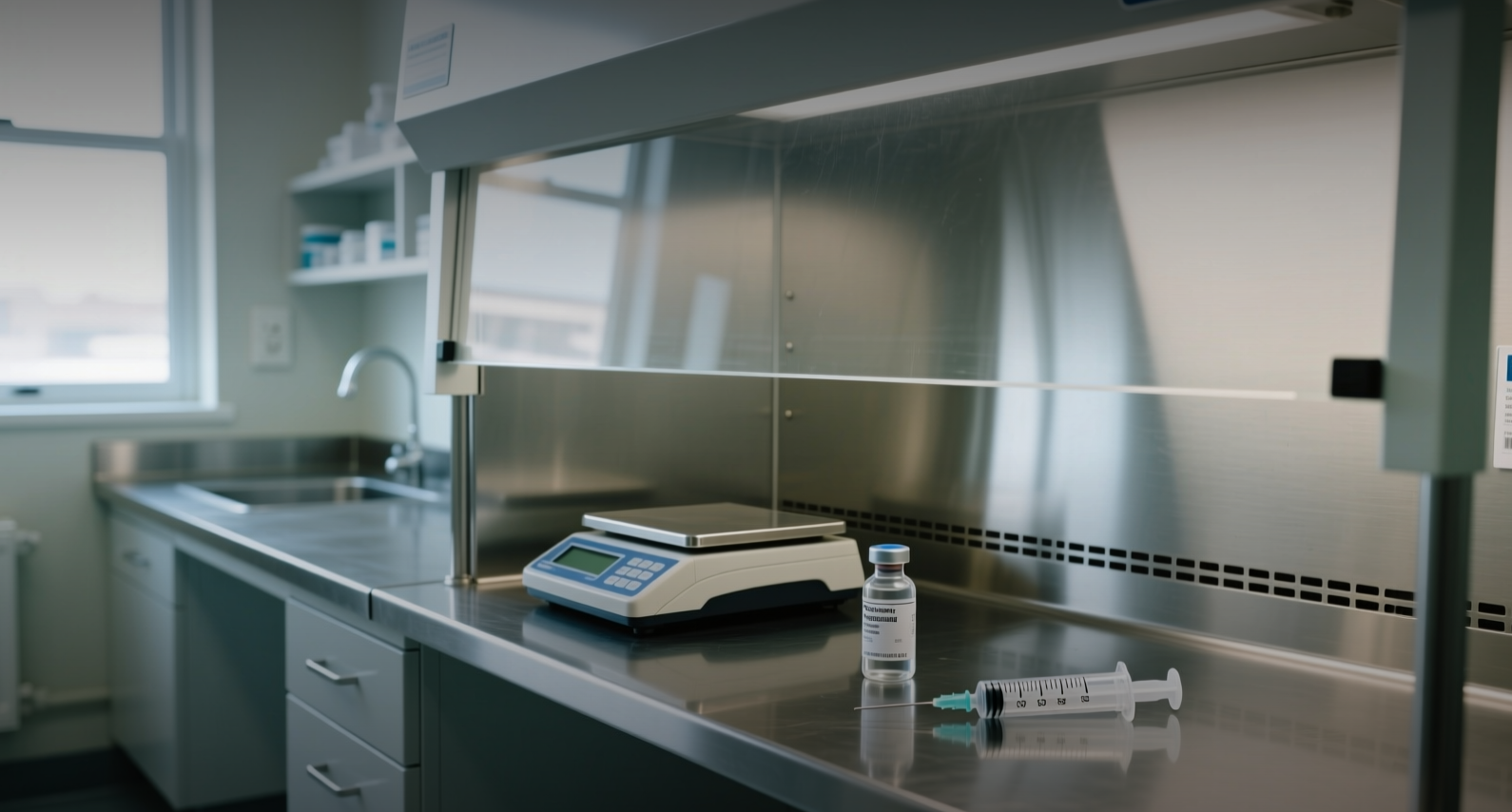
The FDA barred retatrutide and cagrilintide from compounding under federal law, sending Hims & Hers Health shares down 3.2 percent and threatening the telehealth industry's fastest-growing revenue stream.
"These are not components of FDA-approved drugs and have not been found safe and effective for any condition," the FDA said in drug safety information posted online, warning telehealth companies and compounding pharmacies against marketing unapproved versions of semaglutide, tirzepatide, and retatrutide.
The agency said it has already warned companies marketing unapproved retatrutide directly to consumers. The action follows a February letter from 38 state attorneys general urging the FDA to "stop the bad conduct" by counterfeit drugmakers, and a Brookings Institution report showing the majority of counterfeit GLP-1s originate from wholesale manufacturers in China.
Hims & Hers has built a substantial business around compounded GLP-1 weight-loss medications, which offer patients cheaper access to drugs like semaglutide and tirzepatide during shortages. The sector-wide regulatory action could pressure future revenue guidance and compress margins across the telehealth compounding industry, which has relied on the compounding channel to serve patients who cannot afford brand-name drugs.
Compounding pharmacies gained legal discretion to produce cheaper versions of approved drugs when shortages limit access. That opened the door for telehealth companies to offer GLP-1 medications at a fraction of brand-name prices, sidestepping insurance and eligibility requirements. But retatrutide was never FDA-approved, making its use in compounding illegal from the start.
Retatrutide, developed by Eli Lilly, mimics three hunger hormones — GLP, GIP, and glucagon — while existing drugs target one or two. Early clinical trial results suggest it rivals bariatric surgery for weight loss while preserving more lean muscle mass. Dr. Eric Topol, a cardiologist and longevity expert, said the drug is "so incredibly potent" that "it goes skeletal." Eli Lilly has not completed clinical trials, with the earliest market entry projected for late 2026 and more likely 2027.
The drug has nonetheless gained traction on social media, particularly in fitness circles, where bodybuilders and influencers tout its fat-burning effects. TikTok recently banned the words "ret," "reta," and "retatrutide" from search, though creators have circumvented the restriction with alternative spellings. Research labs, which operate outside pharmaceutical regulation, have been selling retatrutide powder labeled "for research use only" to consumers who mix and inject it themselves.
Novo Nordisk, maker of Ozempic, said "attempts by compounders to evade the law or abuse so-called 'grey-areas' are not in the best of interests of patients as well as undermine the US supply chain, US manufacturing and US jobs." The Alliance for Pharmacy Compounding and the Outsourcing Facilities Association said compounding pharmacies play no role in the retatrutide trade since the drug is not approved.
The FDA action targets the core economics of telehealth weight-loss providers. Compounded GLP-1s have been a primary growth driver for companies like Hims & Hers, which offer them at prices well below the roughly $1,000 monthly cost of brand-name drugs. The restriction on semaglutide and tirzepatide versions, combined with the outright ban on retatrutide and cagrilintide, removes a significant portion of the addressable market.
The global weight-loss drug industry is projected to reach $100 billion, with Eli Lilly and Novo Nordisk competing for dominance. Both companies have signaled they will aggressively pursue enforcement against compounders operating outside legal boundaries. The FDA has also been working with Customs and Border Protection to intercept illegal products at ports, including stashes of semaglutide hidden inside bags of kitty litter and antiaging face masks from China.
For telehealth providers, the path forward is uncertain. They may need to pivot toward FDA-approved drugs, which carry higher costs and narrower margins, or face declining revenue as the compounding channel closes. The FDA's enforcement posture suggests further actions are likely as it continues to "actively work" to protect consumers from counterfeit GLP-1s through "public awareness, enforcement actions, and collaboration with other agencies."
This article is for informational purposes only and does not constitute investment advice.
