
Tether AI is open-sourcing its brain-to-text engine, betting local-first inference can reshape the privacy economics of artificial intelligence.
Tether AI is open-sourcing its brain-to-text engine, betting local-first inference can reshape the privacy economics of artificial intelligence.
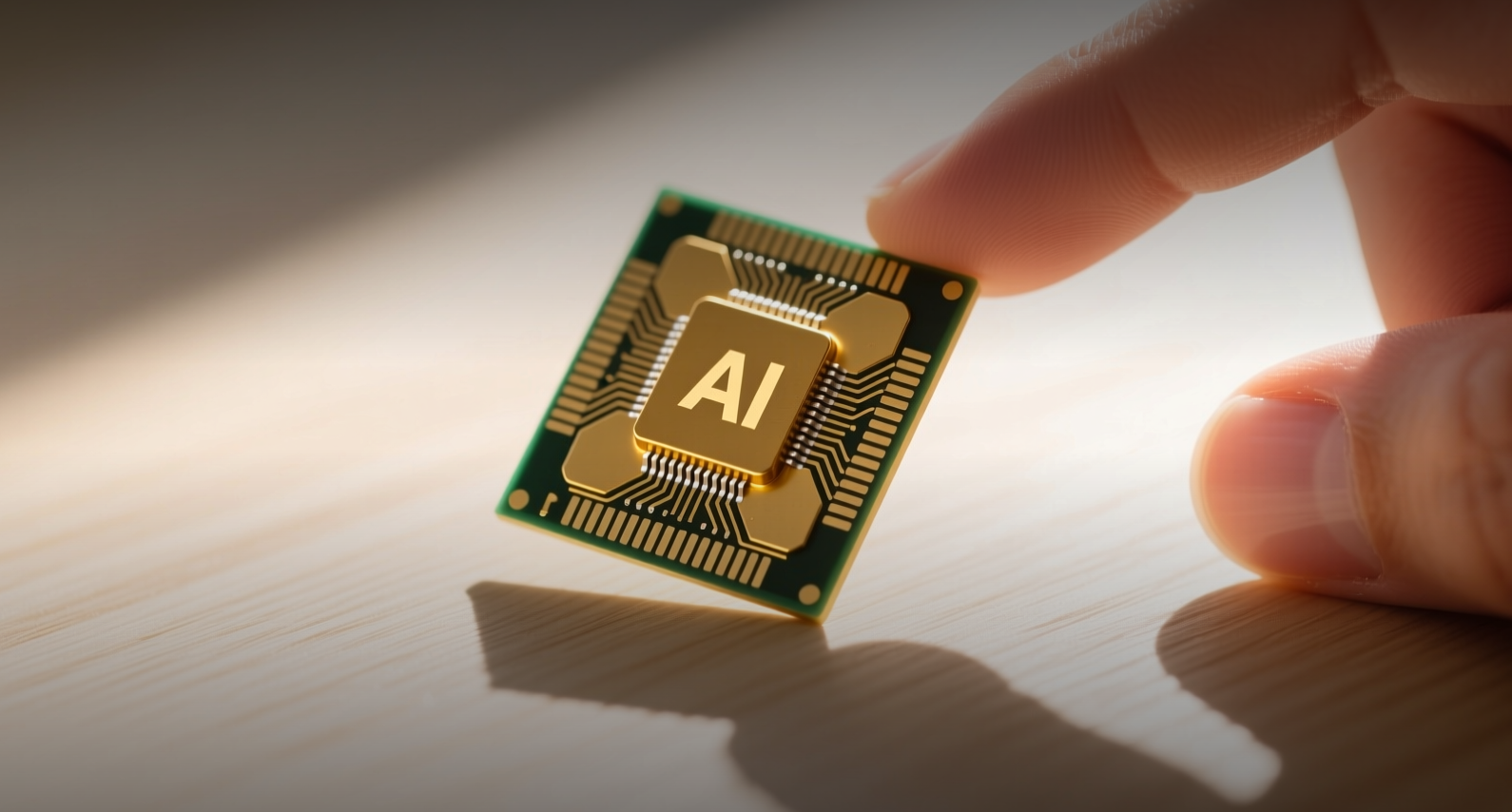
Tether AI open-sourced its brain-to-text neural interface under the QuantumVerse Automatic Computer ecosystem, enabling AI inference entirely on user devices and bypassing the cloud-dependent data collection model that dominates the industry.
The QVAC platform is an open-source, cross-platform ecosystem for building local-first, peer-to-peer AI applications, according to Tether. The brain-to-text engine converts neural signals into text without transmitting raw data to external servers, a design that directly addresses the privacy risks inherent in cloud-based AI services.
QVAC supports running large language models and other AI tasks locally on consumer hardware, eliminating the need for API calls to centralized inference providers. This architecture contrasts with cloud-based AI services from OpenAI, Google, and Anthropic, where user prompts are processed on remote server clusters. Tether said the platform works across Windows, macOS, Linux, and mobile operating systems.
The move positions Tether — best known as the issuer of the USDT stablecoin — as a contender in decentralized AI infrastructure. The brain-to-text category has drawn interest from Neuralink, Synchron, and other brain-computer interface developers, though most remain focused on medical applications. Tether's approach targets general-purpose use, allowing users to generate text from neural signals using locally hosted models.
Tether's decision to open-source the engine follows a broader industry push toward on-device AI. Apple has integrated on-device models into its latest iPhones, and Qualcomm's Snapdragon X Elite chips are designed for local inference. But Tether's brain-to-text focus adds a privacy dimension that consumer hardware makers have not directly addressed, particularly for use cases in healthcare, legal, and defense where transmitting neural data to third-party servers is prohibitive.
Tether's expansion into AI infrastructure diversifies its business beyond stablecoin reserves. The company has not disclosed QVAC's development cost or revenue targets. For investors, the key question is whether local-first AI can achieve inference quality comparable to cloud-based models — a gap that Apple's on-device benchmarks suggest is narrowing but not yet closed. Tether shares no public stock ticker, but the move signals the company's ambition to compete in the AI infrastructure layer alongside cloud providers and chipmakers.
This article is for informational purposes only and does not constitute investment advice.
