

SpaceX and Tesla's combined chip demand is projected to exceed 1 terawatt of computing power, a scale that would dwarf current AI infrastructure and reshape semiconductor supply chains.
SpaceX and Tesla's combined chip demand is projected to exceed 1 terawatt of computing power, a scale that would dwarf current AI infrastructure and reshape semiconductor supply chains.
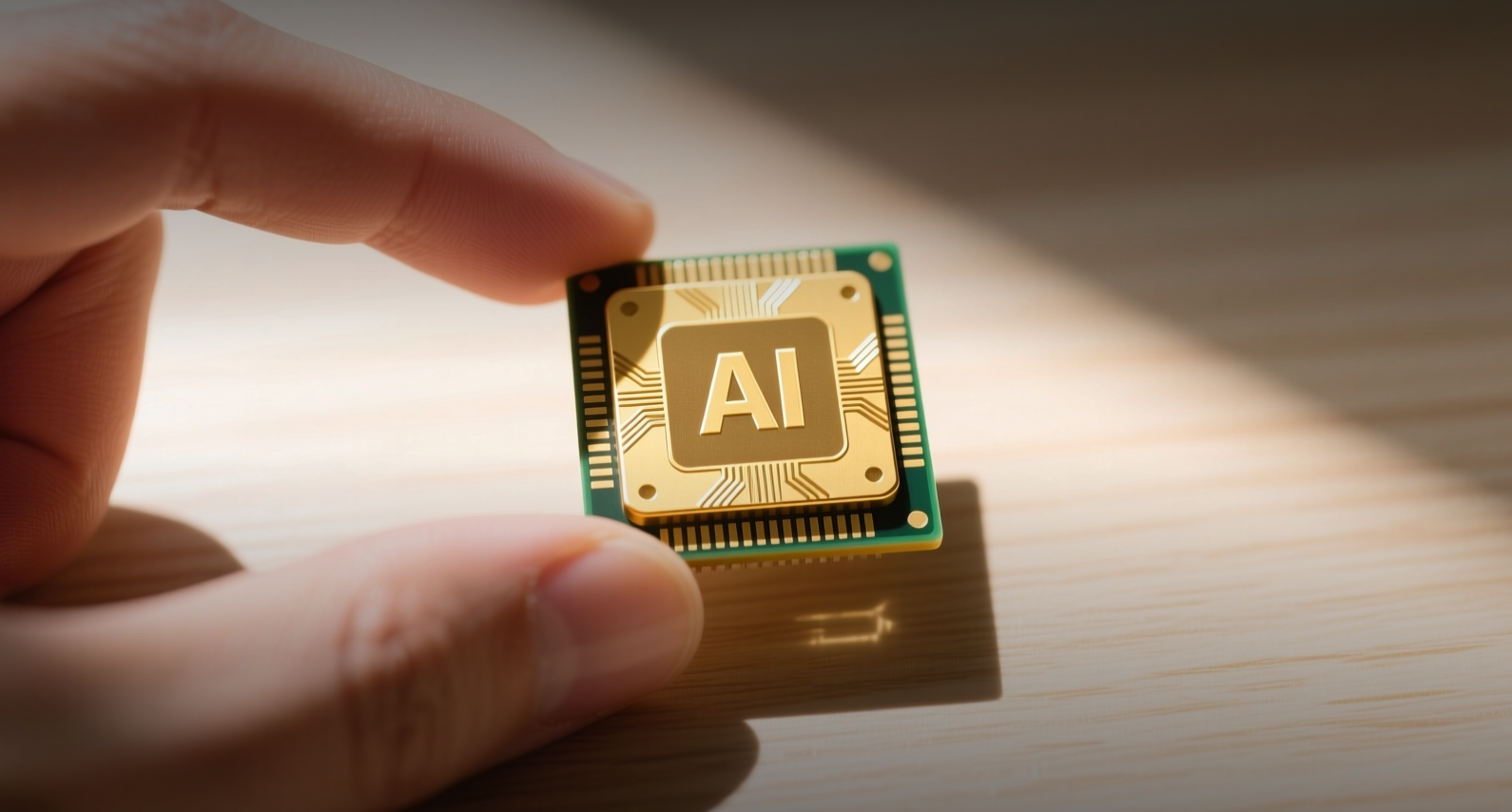
SpaceX said its combined chip demand with Tesla will exceed 1 terawatt of computing power, driving plans for an AI manufacturing campus spanning 100 million square feet — 10 times the size of Giga Texas.
"The $100 billion ARR in December is not a question mark," Elon Musk said on SpaceX's second-quarter earnings call, referring to the company's annualized revenue run rate target as it expands AI compute leasing.
The 1 TW figure represents combined compute demand across Tesla's autonomous driving stack, the Optimus humanoid robot, and SpaceX's AI workloads. Tesla's planned facility would integrate logic, memory, and advanced chip packaging under one roof, targeting annual production of up to 1 TW of AI compute capacity. SpaceX's Q2 AI spending alone reached $15.8 billion, compared with roughly $1 billion each for its space and connectivity segments.
The scale of this buildout makes SpaceX a direct competitor to neocloud providers such as CoreWeave and Nebius, while its deals with Google, Anthropic, Reflection AI, and Cursor put the company on a trajectory toward $100 billion in annualized revenue. For semiconductor suppliers, the combined demand points to sustained GPU procurement at a level that could strain supply chains through 2027.
A Manufacturing Campus Beyond Anything Built Before
Tesla's proposed facility — roughly 3.6 square miles or 2,300 acres — would dwarf the company's existing Giga Texas plant. The integrated campus would bring logic, memory, and advanced chip packaging together, with chips destined for Tesla vehicles, the Optimus humanoid robot, and SpaceX's growing AI computing needs. If the project reaches its planned scale, it could redefine how advanced AI hardware is manufactured, marking one of the most ambitious industrial initiatives ever proposed.
SpaceX has also floated an orbital data center concept consisting of as many as 1 million satellites, filed with the Federal Communications Commission. The application is light on technical details, and analysts have questioned the feasibility of space-based compute given the latency and thermal challenges involved. Musk has claimed the public listing was motivated by a desire to build data centers in space, though the company's terrestrial buildout remains the near-term priority.
Compute as a Commodity Business
SpaceX's AI compute leasing business — which rents data center capacity to external customers — made more money than its rocket segment in the second quarter. Starlink, the satellite internet unit, generated $4.2 billion in revenue and was the only SpaceX segment without an operating loss. But the bare-metal compute rental model carries inherent risks: compute is increasingly a commodity, and as more data centers come online, pricing power erodes.
Musk has said only 10 percent of the compute SpaceX builds will go to Grok, its in-house AI model. The rest is leased to external customers, making SpaceX a direct rival to CoreWeave and Nebius in the neocloud market. SpaceX has also been buying Tesla Megapack battery storage, with $295 million in purchases, and has acquired a fleet of Cybertrucks. Insider lockups begin expiring August 6, which could pressure the stock if early investors sell.
For investors, the 1 TW demand figure is a signal of sustained capital intensity across Musk's companies. Nvidia and other GPU suppliers stand to benefit from the procurement pipeline, while hyperscalers face a new competitor for AI compute capacity. Tesla shares are down 25 percent since January, and the AI infrastructure buildout represents a significant capital allocation bet that will take years to validate.
This article is for informational purposes only and does not constitute investment advice.
