

Microsoft's 43% Azure growth surge revived the AI trade, lifting semiconductor stocks including Nvidia and adding $439 billion to the software maker's market value.
Microsoft's 43% Azure growth surge revived the AI trade, lifting semiconductor stocks including Nvidia and adding $439 billion to the software maker's market value.
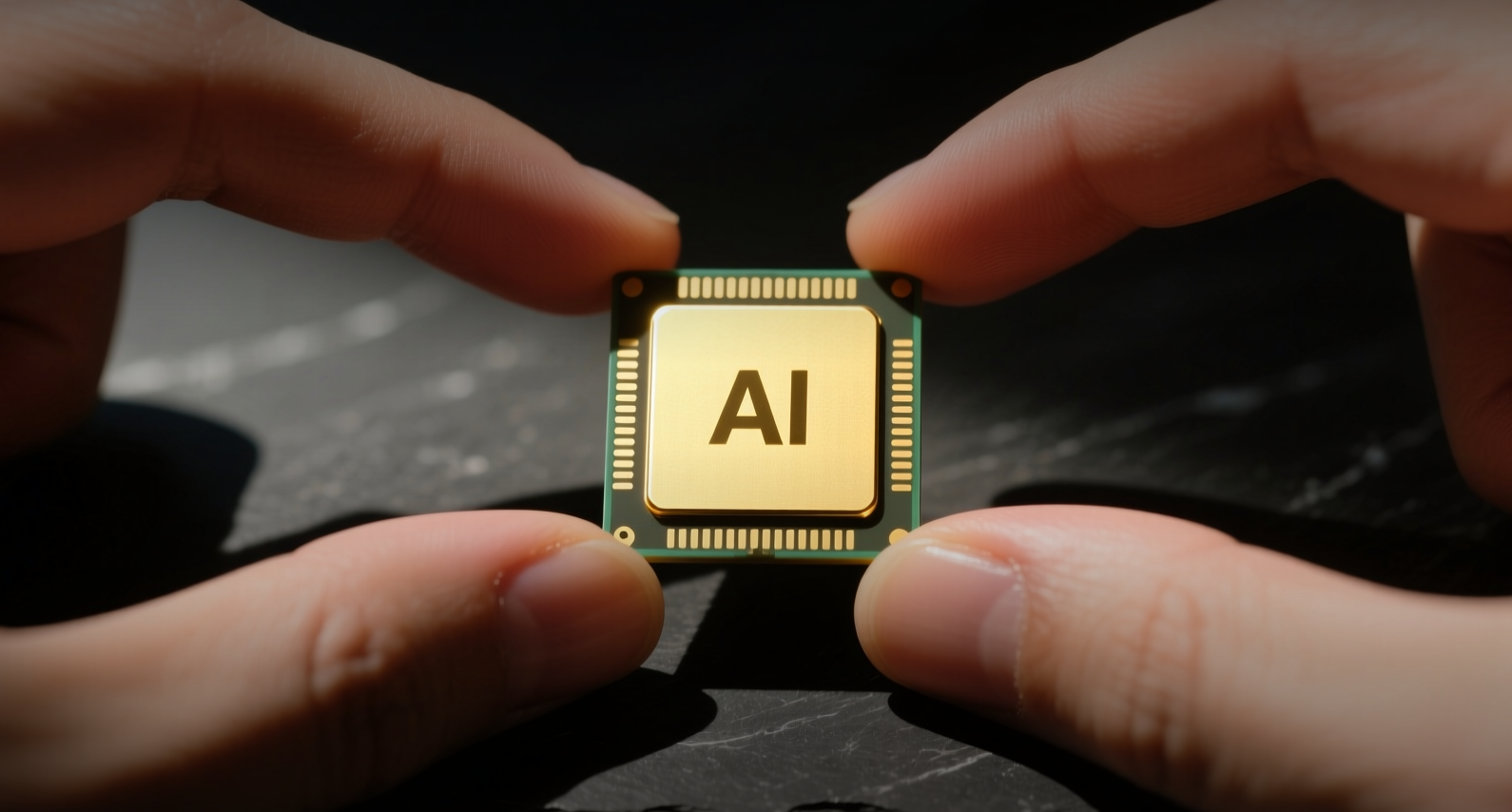
Microsoft's Azure revenue jumped 43% last quarter, its fastest growth in four years, reviving the AI trade and lifting semiconductor stocks including Nvidia as investors bet the software maker's $41 billion quarterly buildout is paying off.
"The market is finally seeing the payoff from AI infrastructure spending," Eddie Ghabour, co-founder and chief executive officer at Key Advisors Wealth Management, said on Fox Business's "The Claman Countdown."
Microsoft shares jumped more than 15% Thursday, their biggest one-day gain since 2008, after Azure topped $100 billion in annual revenue for the first time and beat the roughly 40% growth Wall Street expected. Quarterly capital expenditures surged 70% to $41 billion, and the stock added about $439 billion in market value, the largest single-day gain for any company. Nvidia rebounded around 3%, while Arm gained after first-quarter results beat estimates with AI CPU demand topping $2 billion.
The rally lifted the Nasdaq Composite more than 2.8% and the S&P 500 by 1.7%, reversing a selloff that had pushed the Philadelphia Semiconductor Index down roughly 20% over the past month. Amazon and Apple report results after the bell, with investors watching whether the hyperscalers can match Microsoft's cloud growth and justify their own AI capital spending.
Azure's 43% Growth Reopens the AI Spending Debate
The acceleration is the strongest evidence yet that the enormous AI buildout is producing faster growth. Microsoft spent slightly less than analysts expected while Azure cleared its growth hurdle by more than three percentage points, a combination that eased concerns about runaway capital spending without returns.
The divergence among Big Tech peers was stark. Meta shares fell about 8% after its earnings miss added to worries about recouping AI investments, while Microsoft's cloud strength pulled the sector higher. The contrast frames the central question for investors: which companies can convert AI infrastructure spending into revenue growth.
Chipmakers Rebound as Rotation Reverses
The semiconductor complex, battered by a month-long rotation out of AI infrastructure names, reversed course. Nvidia, the primary beneficiary of hyperscaler AI spending, rebounded around 3%. Arm gained after reporting first-quarter results that beat estimates, with demand for AI CPUs topping $2 billion.
The Philadelphia Semiconductor Index had declined roughly 20% over the past month as investors questioned the pace of AI monetization. Microsoft's results suggest the demand is real, supporting the case for continued chip orders from cloud providers. The rebound also lifted sentiment across the supply chain, with foundry and memory names recovering alongside the chip designers.
The move came against a tricky macro backdrop. The Federal Reserve held rates steady Wednesday, with three voting members supporting a hike, while the 30-year Treasury yield climbed to a multidecade high near 5.24% as bond investors questioned the Fed's commitment to taming inflation. June PCE data showed inflation easing, but second-quarter GDP growth slowed to 1.5%, below the 2% economists expected.
For investors, the question is whether the AI trade has room to run. Microsoft's $439 billion single-day value gain shows how much of the AI thesis is now priced in. Amazon and Apple report after the bell Thursday, and their capital expenditure plans will determine whether the semiconductor rally extends or fades. If the hyperscalers match Microsoft's cloud growth, chip demand could stay elevated; if they disappoint, the rotation out of AI infrastructure names could resume.
This article is for informational purposes only and does not constitute investment advice.
