

Memory production grows 20% annually while demand rises 200% — a gap that keeps prices climbing and hyperscaler capex expanding.
Memory production grows 20% annually while demand rises 200% — a gap that keeps prices climbing and hyperscaler capex expanding.
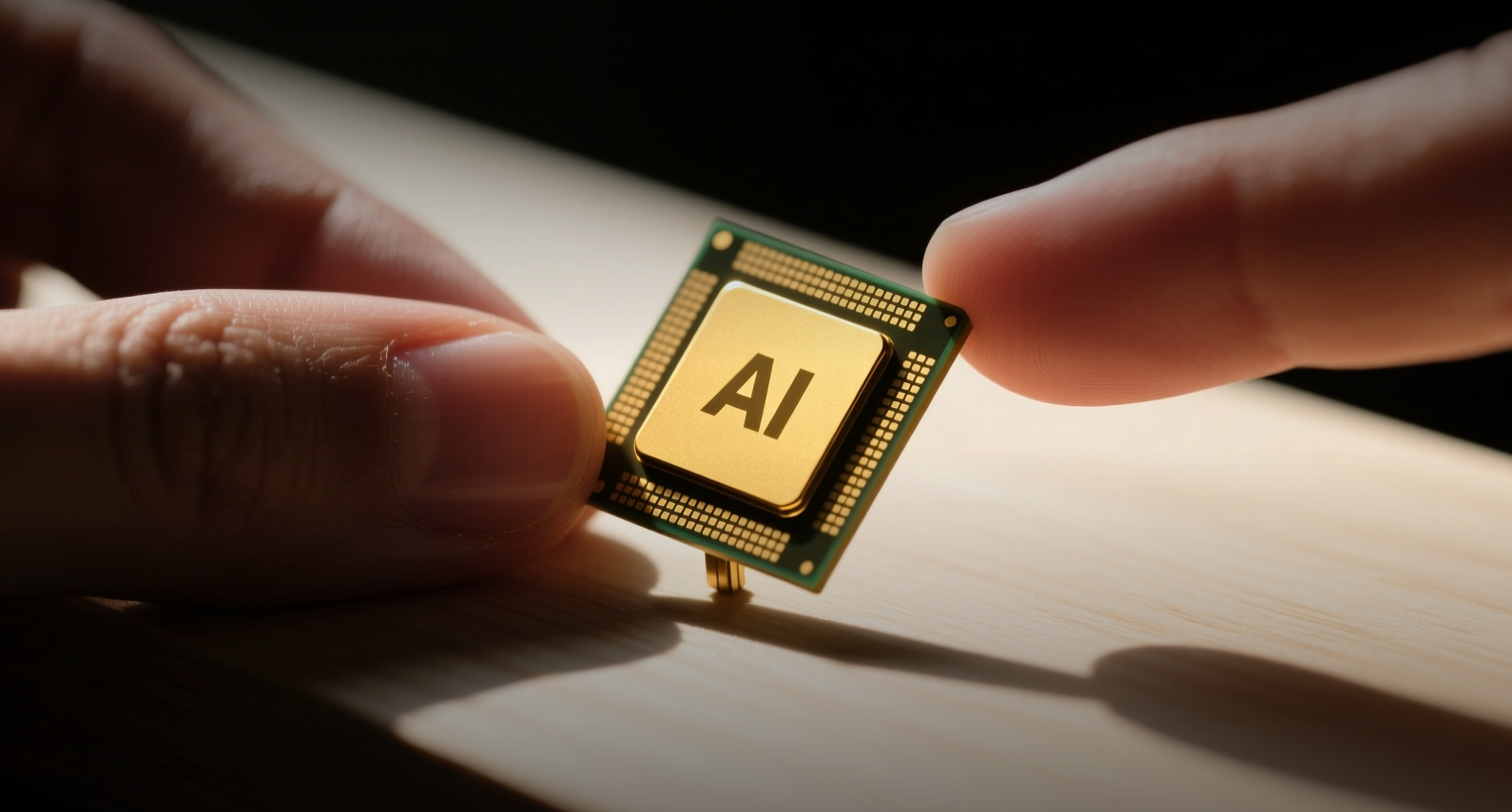
Memory chips are the binding constraint on AI infrastructure, SpaceX CEO Elon Musk said, with demand growing 200% annually against roughly 20% supply growth — a gap that keeps prices climbing and hyperscaler capex expanding.
"The biggest constraint right now is memory," Musk said during SpaceX's second-quarter earnings call on Aug. 4. "Memory production is increasing by about 20% annually, but demand is growing 200% annually, or perhaps even faster."
Musk's remarks directly rebut the view that the memory industry has peaked. Apple CEO Tim Cook called the shortage a "100-year flood" event, saying he had never seen anything like it in more than 40 years in the industry. Amazon raised its 2026 capital expenditure target to $220 billion from $200 billion, with the $20 billion increase driven largely by higher memory costs. SK Hynix, which posted second-quarter revenue of 79.32 trillion won ($64.64 billion), up 257% year over year, unveiled a 54 trillion won ($38 billion) expansion plan for new DRAM and NAND facilities in South Korea.
For investors, the supply-demand imbalance points to sustained pricing power for memory producers. Micron Technology, trading at $877.57 with a market cap of $991 billion, reached an all-time high in late June before selling off — a dip that Musk's framing suggests is a valuation reset rather than a signal of peak demand. The four largest hyperscalers — Amazon, Meta, Microsoft, and Google — plan roughly $1.5 trillion in data-center builds through next year, according to FactSet estimates.
Musk's arithmetic is stark. In a mature industry, 20% annual output growth would be considered strong. But AI workloads — training large language models and running inference at scale — consume ever-larger volumes of high-bandwidth memory (HBM), with each new generation multiplying the requirement. When demand grows an order of magnitude faster than supply, scarcity becomes structural, and basic economics dictates that prices rise.
Musk has been warning about this dynamic for months. In June, he shared Apple CEO Tim Cook's "100-year flood" comment on X, writing, "This is the biggest price increase I've seen." Cook's warning came as Apple raised prices on MacBook, iMac, iPad, HomePod, and Apple TV products by up to $300, while Microsoft increased Xbox prices by $100 to $150.
The shortage has also reshaped supplier relationships. During Tesla's second-quarter earnings call, Musk publicly thanked Micron for allocating memory to the company, saying "memory prices have risen to quite abnormal levels." He also cited support from TSMC and Samsung Electronics — an unusual acknowledgment of specific suppliers during an earnings call, according to Benzinga.
Amazon's capex revision is the clearest evidence that the shortage is not deterring investment. The company's second-quarter capital expenditures reached $53 billion, up 69% from a year earlier. AWS posted its fastest revenue growth in 18 quarters at 36.7%, yet CEO Andy Jassy said the company remains capacity-constrained. Amazon has also committed up to $50 billion for AI and supercomputing infrastructure aimed at U.S. government agencies.
SK Hynix is responding on the supply side. The company plans to build a new DRAM fabrication facility in Yongin and a NAND manufacturing plant in Cheongju, with about two-thirds of the 54 trillion won earmarked for the DRAM project. The expansion comes after SK Group, Samsung Electronics, and the South Korean government announced $880 billion in combined investment to double the country's memory production capacity within five years.
For Micron, the picture is equally constructive. The company's gross margin stands at 72.60%, reflecting the pricing power that scarcity confers. Its stock trades at $877.57 with a 52-week range of $113.46 to $1,255.00 — the recent pullback from the June high offering a lower entry point while the physical shortage persists.
The question for investors is whether the capex supercycle can sustain. Goldman Sachs projects the eight largest hyperscalers will exceed $1 trillion in combined capex and R&D in 2026, climbing toward $2.1 trillion by 2029. If memory remains the limiting factor, capital will continue flowing to producers that can expand output — Micron, SK Hynix, and Samsung among them. Musk's framing suggests the shortage is not a bubble about to burst but a structural constraint that will take years to relieve.
This article is for informational purposes only and does not constitute investment advice.
