

Key Takeaways:
- Meta will begin manufacturing its Iris AI chip in September 2026
- Computing capacity to double to 14 gigawatts by 2027
- In-house silicon push threatens Nvidia and AMD's dominance in AI chips
Key Takeaways:
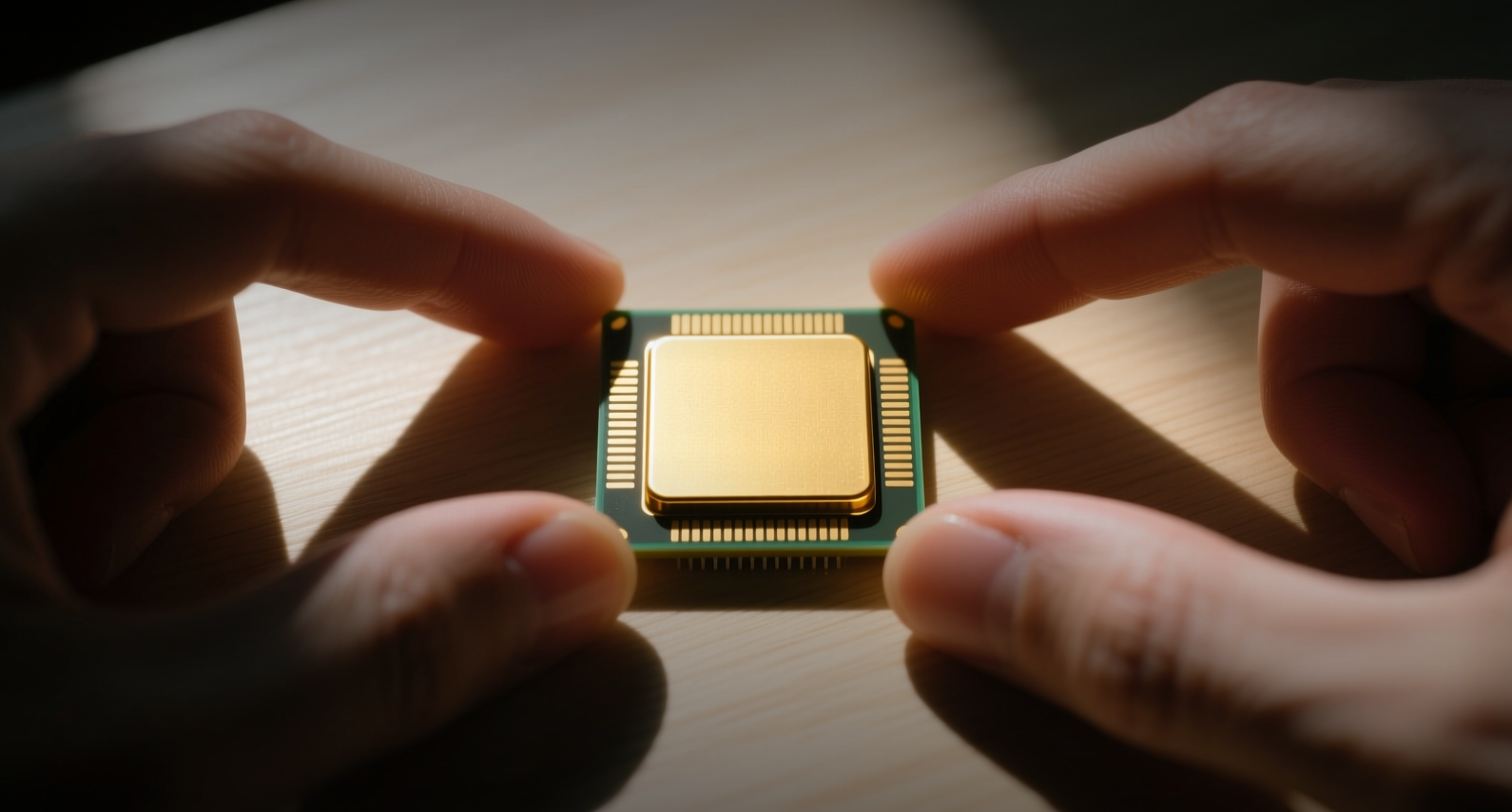
Meta's push to cut reliance on Nvidia and AMD enters a critical phase with in-house silicon production set for September.
Meta Platforms plans to start manufacturing its "Iris" AI chip in September and double computing capacity to 14 gigawatts next year, an internal memo shows, as the social media giant accelerates efforts to reduce dependence on Nvidia and Advanced Micro Devices.
"Adopting the latest GPUs at a firm as large as Meta has been a heavy lift, and it has cost us time," the memo said, according to a copy reviewed by Reuters.
The chip, code-named Iris, is part of a four-generation Meta Training and Inference Accelerator program designed in-house with Broadcom and manufactured by Taiwan Semiconductor Manufacturing Co. Testing took just six weeks and found no major issues, signaling momentum for an effort that has struggled since its launch more than half a decade ago. Meta plans to release a new chip every six months through 2027, roughly twice the industry cadence.
Meta expects to spend as much as $145 billion on AI infrastructure this year, part of Big Tech's more than $700 billion projected outlay. The in-house silicon push could lower Meta's massive computing costs and loosen the grip of GPU suppliers Nvidia and AMD, whose chips have become the industry standard for training and running AI models.
Meta this year plans to deploy 7 gigawatts of computing infrastructure, doubling to 14 gigawatts in 2027, the memo showed. To support that expansion, the company has secured long-term supply agreements with Samsung Electronics for memory chips, Sandisk for flash storage and Sumitomo Electric for fiber-optic equipment. Such deals have become critical as a memory chip shortage drives up costs — Apple recently raised prices on MacBooks and iPads because of rising memory expenses.
The broader chip market is feeling the strain. Memory and other chip prices have risen so rapidly that "chipflation" has become a macroeconomic concern, Morgan Stanley analysts said. For Meta, the bet on custom silicon represents a strategic hedge: designing its own chips for specific workloads like recommendation algorithms and content moderation could deliver better performance per watt than general-purpose GPUs, while insulating the company from supply constraints and pricing power held by Nvidia, which commands an estimated 80 percent of the AI chip market.
The Iris chip is designed to augment, not replace, the GPUs Meta buys from Nvidia and AMD. But the aggressive release cadence — a new generation every six months — signals Meta's intent to shift an increasing share of its AI compute to in-house hardware over time. If successful, the strategy could pressure Nvidia's data center revenue, which reached $47.5 billion in its most recent fiscal year, by reducing Meta's procurement from the chipmaker.
Nvidia shares, trading at about 35 times forward earnings, face a potential headwind if Meta's custom silicon proves cost-competitive. Morgan Stanley analysts have flagged chipflation as a macro risk, while the broader market awaits independent benchmarks of Iris against Nvidia's H100 and upcoming Blackwell architecture. Meta did not disclose the process node or performance specifications for Iris.
This article is for informational purposes only and does not constitute investment advice.
