

**Meta's narrowed $130B-$145B CapEx guidance raises the floor on AI infrastructure spending by $5 billion, joining a $500B+ hyperscaler buildout that is reshaping the cloud and data center industry.
**Meta's narrowed $130B-$145B CapEx guidance raises the floor on AI infrastructure spending by $5 billion, joining a $500B+ hyperscaler buildout that is reshaping the cloud and data center industry.
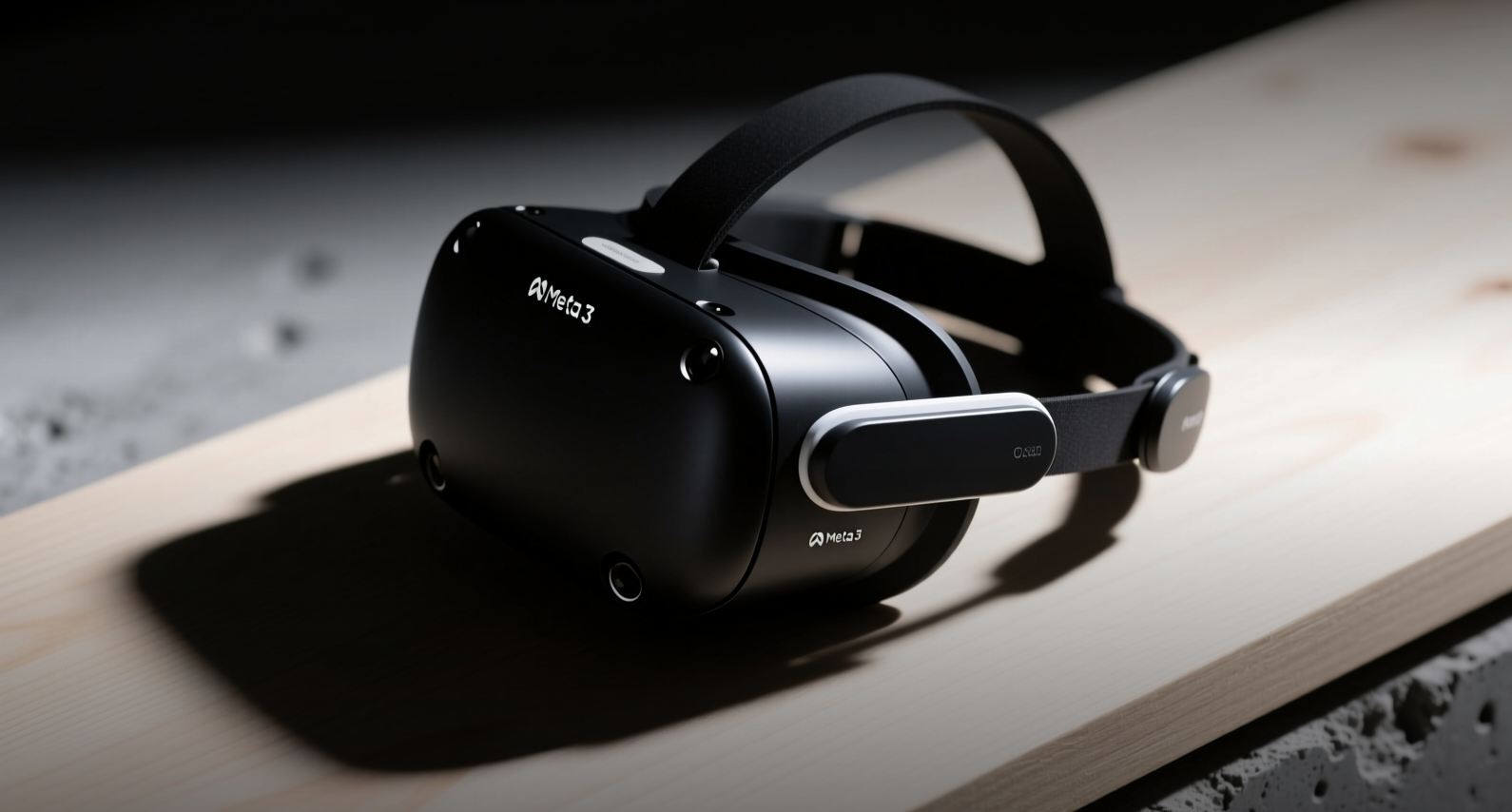
Meta's narrowed $130B-$145B CapEx guidance raises the floor on AI infrastructure spending by $5 billion, joining a $500B+ hyperscaler buildout that is reshaping the cloud and data center industry.
Meta Platforms Inc. narrowed its fiscal 2026 capital expenditure guidance to $130 billion to $145 billion, raising the floor by $5 billion as the social media giant commits to a higher minimum on AI infrastructure spending.
"The higher minimum reflects Meta's conviction that AI infrastructure is a multiyear competitive advantage, not a discretionary expense," Rachel Kim, an analyst covering AI infrastructure at Edgen, said.
The revised range compares with the previous $125 billion to $145 billion forecast. Meta's midpoint of $137.5 billion represents a 10% increase from the prior $135 billion midpoint. The company joins Microsoft Corp., which has forecast $190 billion in capital expenditures for calendar 2026, and Alphabet Inc., which recently boosted its own CapEx forecast — a move that Evercore ISI analyst Mark Mahaney said "increases the odds of similar behavior" from Amazon.com Inc. and Microsoft.
The higher spending floor could pressure Meta's near-term margins but signals a long-term bet that AI capabilities will drive advertising revenue growth and new product categories. Meta shares have been under pressure alongside other mega-cap tech stocks as investors weigh the returns on massive AI capital outlays. Microsoft shares fell 23% in the first half of 2026, their worst six-month performance since 2000, as the market punished heavy spending without proportional revenue acceleration.
The three largest US hyperscalers — Meta, Microsoft and Alphabet — are collectively expected to invest more than $500 billion in AI infrastructure in calendar 2026, according to analyst estimates. Google Cloud sales surged a record 82% last quarter, while Microsoft's Azure and other cloud services grew 40% in its fiscal third quarter, setting a high bar for Amazon Web Services when it reports.
For data center operators and chip suppliers, the sustained spending is a tailwind. Companies such as Nvidia Corp., which supplies the graphics processing units powering most AI workloads, and data center real estate investment trusts like Equinix Inc. and Digital Realty Trust Inc. stand to benefit from the multiyear buildout. Each billion dollars in hyperscaler CapEx translates to roughly 30 to 40 megawatts of new data center capacity, based on industry benchmarks for large-scale AI clusters.
The spending also raises questions about returns. Uber Technologies Inc. blew through its entire 2026 AI budget in four months, with a single two-hour coding session costing $1,200, highlighting the challenge of managing AI costs at scale. For Meta, the key metric will be whether higher AI investment translates into advertising revenue growth and user engagement — the company's primary profit engine.
Meta's narrowed guidance comes as the broader tech sector faces a selloff. The company reports quarterly earnings after the market close, with analysts watching for any changes to the full-year view beyond the CapEx range. The spending trend in the fiscal fourth quarter, which ended in June, will be closely scrutinized for signs of whether Meta can sustain the elevated investment pace without sacrificing profitability.
This article is for informational purposes only and does not constitute investment advice.
