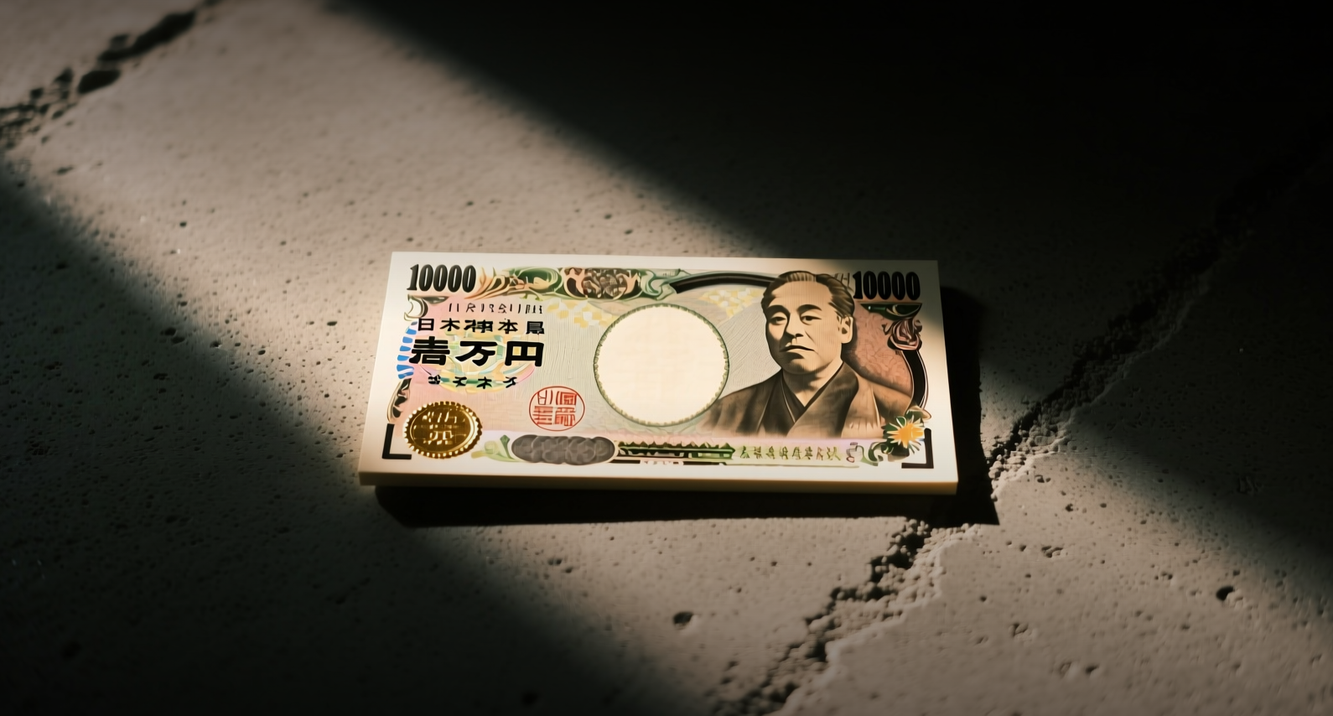
Japanese government bonds edged lower in the morning Tokyo session, tracking overnight price declines in U.S. Treasurys that pushed the benchmark 10-year yield to 4.628%, its highest level since January 2025. The 10-year JGB yield rose about 2 basis points in early trading, extending a global bond selloff driven by resilient U.S. economic data and fading expectations for aggressive Federal Reserve rate cuts. The dollar index held near a one-week high at 101.20, while the yen remained under pressure at 163.06 per dollar.
"The JGB move is a mechanical spillover from UST weakness rather than a shift in domestic rate expectations," said James Okafor, markets analyst at Edgen. "There is no domestic catalyst driving the selloff."
The 10-year UST yield climbed 0.77% to 4.693% in the prior session, according to market data, while Brent crude settled at $91.24 on Middle East supply threats, adding to inflation concerns that complicate the Fed's path toward rate cuts. The S&P 500 snapped a three-day losing streak to close at 7,509, up 0.89%, as semiconductor stocks rebounded on strong Korean and Taiwanese export data, though the recovery in risk appetite did little to stem the bond selloff.
The widening rate differential between the U.S. and Japan has been a primary driver of yen weakness, with the yen near a four-decade low that keeps alive the prospect of intervention by Japanese authorities. For Japan, the persistent rise in UST yields puts pressure on the Bank of Japan to consider further policy normalization at its next meeting, as global yields continue to climb and the cost of defending the yen floor rises.
This article is for informational purposes only and does not constitute investment advice.