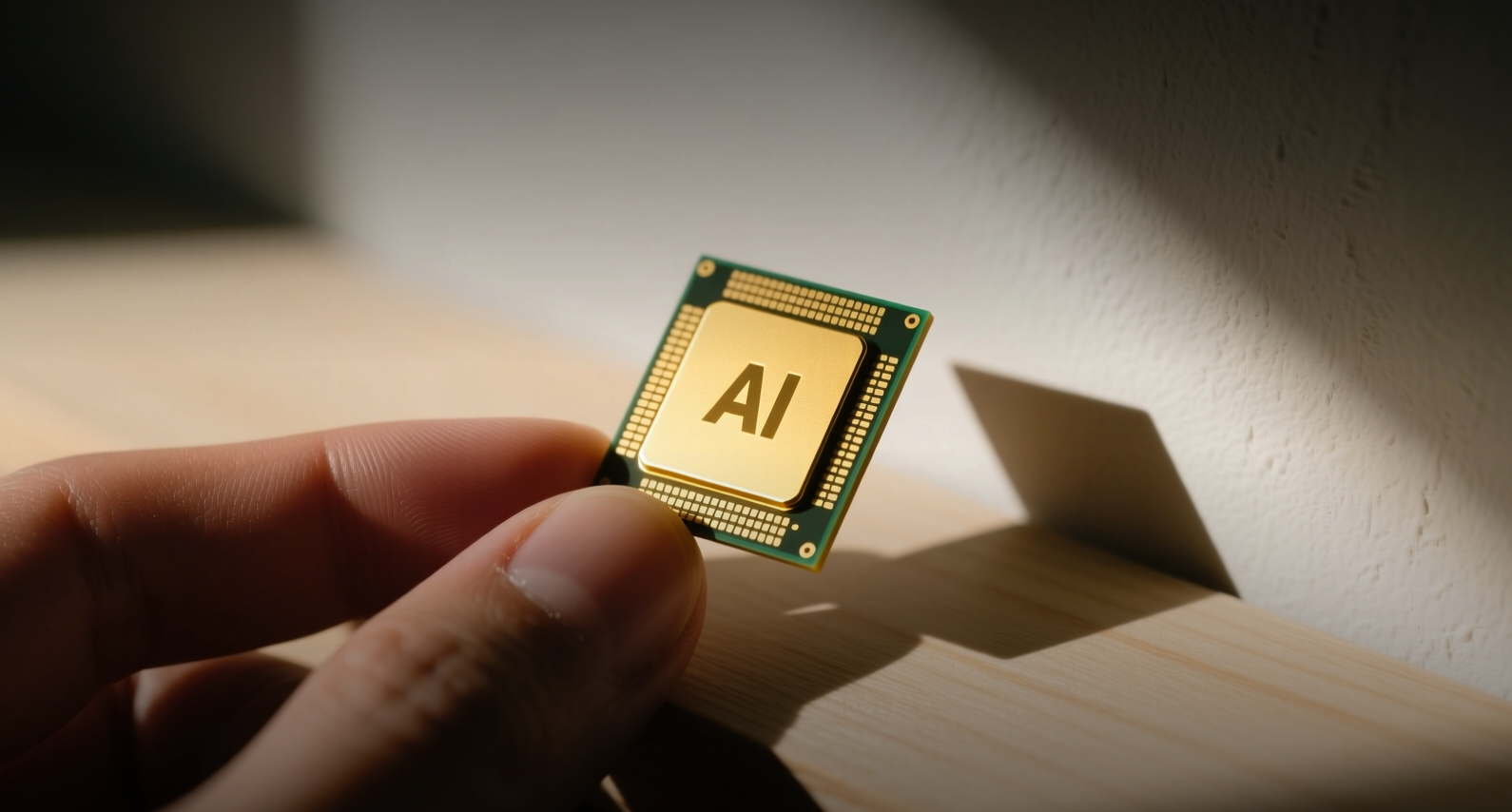
Intel's foundry turnaround is gaining traction: 18A yields have climbed to 85%, and the company has reportedly secured chip fabrication deals with Nvidia, AMD, and OpenAI — a direct challenge to TSMC's dominance in advanced manufacturing.
Intel's 18A process node yields have jumped to 85% from 65% last quarter, while the company's foundry business has secured design wins with Nvidia, AMD, and OpenAI, according to a KeyBanc Capital Markets report cited by FactSet.
"Intel's improving manufacturing position has made it a more credible rival to TSMC, which has started offering less favorable wafer pricing and reduced optimization support," KeyBanc analysts wrote in the report, as posted on X by industry watchers @Alex_Intel_ and @intelfabs.
The 18A yield improvement brings Intel within striking distance of TSMC's N2 node, which is estimated at roughly 90% yields, while far ahead of Samsung's SF2 process at 50% to 60%. Intel's EMIB-T advanced packaging technology has also reached a 98% yield, up from 90% three months ago, the report said. The company's follow-on 14A node remains on track for risk production in 2028 and volume manufacturing in the second half of 2029.
The design wins — which KeyBanc says also include Marvell, Microsoft, and Micron — represent a potential revenue shift of billions of dollars from TSMC to Intel as fabless chipmakers seek alternative supply. Intel shares have rallied on the news, with the foundry business emerging as the centerpiece of Chief Executive Officer Lip-Bu Tan's turnaround strategy.
The reported client list marks a dramatic validation of Intel's foundry ambitions. Nvidia, the world's most valuable chip company by market capitalization, would be using Intel's 18A or 14A nodes alongside its existing TSMC allocation. AMD, Intel's longtime rival in PC and server processors, is also named as a customer — a move that would put both x86 competitors on the same manufacturing line. OpenAI, the AI lab behind ChatGPT, would use Intel for custom AI accelerator chips.
EMIB Packaging Emerges as a Competitive Weapon
Intel's advanced packaging technology is proving as important as its process nodes. EMIB-T, a 2.5D interconnect bridge technology that connects multiple dies in a single package, has reached what KeyBanc calls the "98% yield gold standard." That matches TSMC's CoWoS packaging yields and gives fabless designers confidence in Intel's ability to deliver complex multi-die chips at scale.
The packaging technology has already attracted marquee customers. Nvidia is expected to use EMIB-T for its next-generation Feynman GPU architecture, while Google has tapped Intel for its TPU HumuFish AI accelerators and Amazon for its AWS Trainium 3 chips, according to earlier reports. EMIB-T can scale to packages larger than 12 reticles, enabling the ultra-large die complexes required for AI training hardware.
Nova Lake Shift Signals Internal Confidence
Intel's confidence in its own manufacturing is also reshaping its product roadmap. The company now plans to manufacture 80% to 90% of the tiles for its next-generation Nova Lake processors internally on 18A, rather than outsourcing the compute tiles to TSMC's N2P process as previously expected, KeyBanc said. The shift suggests Intel believes its 18A yields and performance are sufficient for its most important client CPU line, expected to launch around the turn of the year.
However, questions remain about 18A's thermal characteristics at high power levels. Intel's 18A-P variant, which offers roughly 40% reduced thermal resistance, is in risk production to address those concerns. The company has not disclosed whether Nova Lake will use 18A or 18A-P for its compute tiles.
So What for Investors
Intel's foundry momentum creates a two-sided investment story. On one side, design wins from Nvidia, AMD, and OpenAI could add billions in foundry revenue by 2028 to 2030, with KeyBanc projecting strong revenue and EPS growth through the decade. On the other, TSMC faces the first credible challenge to its advanced-node monopoly in a decade — a dynamic that could compress TSMC's pricing power and margins over time. Intel shares trade at a significant discount to TSMC on forward earnings, reflecting the market's skepticism that the turnaround will fully materialize. If the reported design wins convert into volume production, that valuation gap could narrow.
This article is for informational purposes only and does not constitute investment advice.