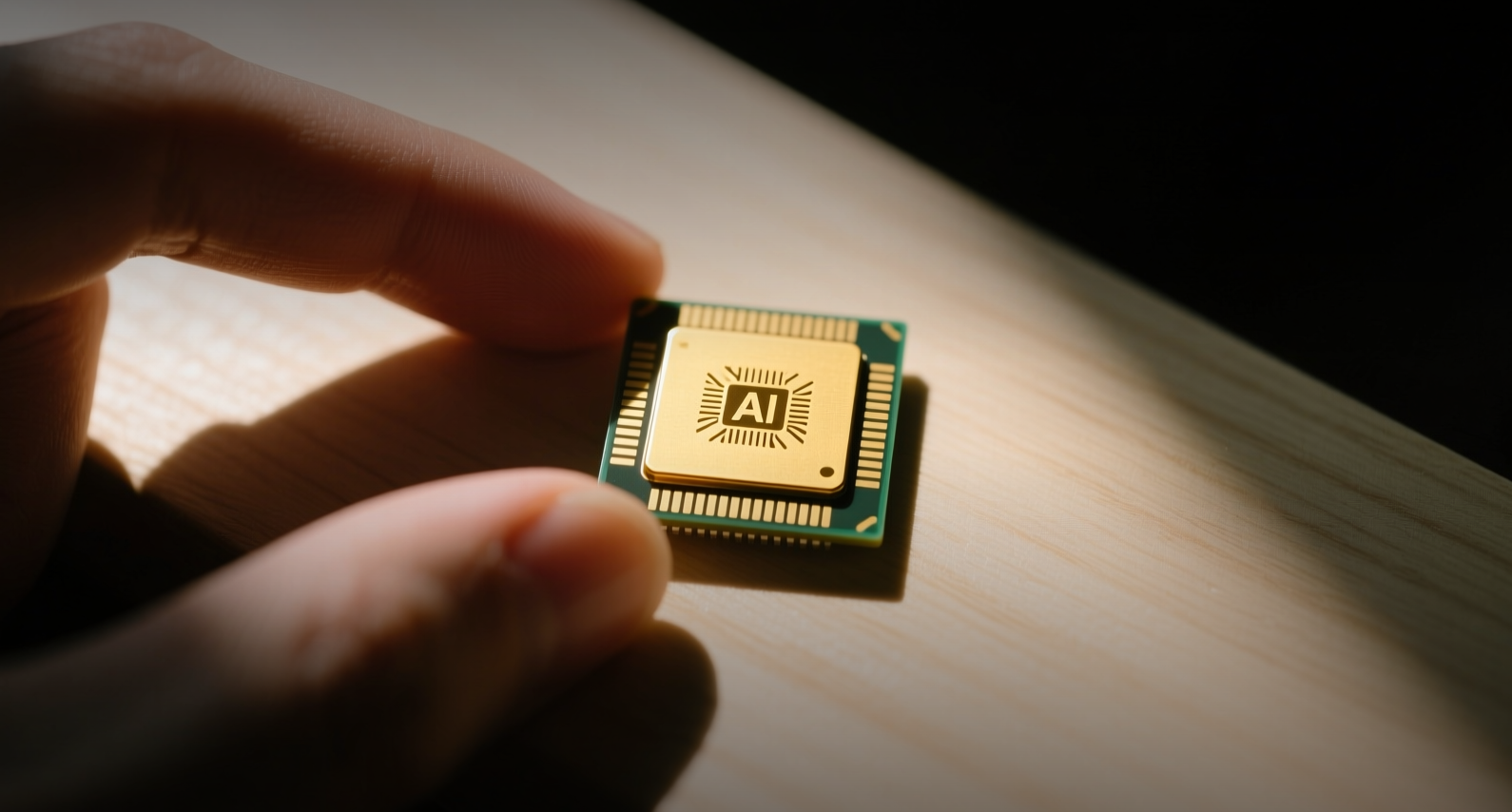
Google is taking its homegrown Tensor Processing Units directly to Nvidia's most loyal customers — the neocloud providers that have built their businesses around renting out Nvidia GPUs — in a bid to capture share of the $150 billion-plus AI chip market.
Google has begun pitching its TPUs to independent cloud providers known as neoclouds, offering financing for data center construction and a lease-back arrangement that guarantees demand, according to people familiar with the matter. The move marks the first time Google has aggressively marketed its custom silicon outside the confines of Google Cloud, directly challenging Nvidia's near-monopoly in AI training and inference hardware.
"TPUs offer more stable performance and simpler server networking than GPU-based systems, particularly as Nvidia's newer architectures have caused deployment headaches," a Google spokesperson said, pointing to reliability issues that plagued the Grace Blackwell platform during early大规模 deployment. Google's Ted Ladd said the company remains committed to offering Nvidia GPUs alongside its own chips, noting that many customers use both.
The offensive comes as Wall Street reassesses the economics of AI infrastructure spending. Morgan Stanley raised its hyperscaler capital expenditure forecast to roughly $1.2 trillion by 2027 and $1.4 trillion by 2028, while UBS cut its price target on Alphabet to $400 from $410 ahead of the company's July 22 earnings report. Google's TPU push could reduce its own reliance on Nvidia hardware and improve its bargaining position with Taiwan Semiconductor Manufacturing Co., which fabricates chips for both companies.
Nvidia Fires Back With Lease-Back Guarantees
Nvidia moved quickly to defend its neocloud ecosystem after learning of Google's outreach to Nscale, a two-year-old provider in which Nvidia is a major investor and preferred shareholder. The GPU giant discussed new financial incentives with Nscale aimed at keeping the neocloud away from TPUs, according to a person familiar with the talks. Nscale denied that Nvidia offered incentives conditional on avoiding TPU deals.
Separately, Nvidia began offering neocloud partners a GPU lease-back guarantee program. Under the terms, if a partner cannot rent out its Vera Rubin GPUs to end customers, Nvidia will buy back the capacity at roughly 50 percent of the expected market rental price. If the partner secures a higher rental rate, Nvidia takes half of the excess. While the terms are less generous than standard market leases, industry participants said the revenue floor helps neoclouds secure bank financing for data center construction.
The defensive measures underscore how critical the neocloud channel has become for Nvidia. Gartner's inaugural Magic Quadrant for cloud AI infrastructure placed CoreWeave as the top "Visionary" and Lambda as the leading "Niche Player," both built predominantly on Nvidia hardware. Nscale was the only other neocloud in the niche players segment.
Google's TPU Ecosystem Ambitions
Google's internal targets envision TPU reaching roughly 10 percent of Nvidia's AI server chip revenue over time, according to people familiar with the matter. A larger customer base would improve TPU manufacturing economics and give Google more leverage in securing TSMC advanced packaging capacity, where Nvidia currently commands the largest allocation.
The strategy extends beyond direct chip sales. Google recently partnered with Blackstone to form a new neocloud that will begin renting TPU capacity to AI developers starting next year. The arrangement allows Google to offload some capital expenditure — a metric increasingly scrutinized by investors — while expanding TPU availability beyond its own data centers.
Major AI customers including Anthropic, Meta, Apple, Citadel Securities and Safe Superintelligence already use TPUs for some workloads, according to Google. The company is betting that as AI model training shifts from a race for raw performance to a contest of cost efficiency, the total cost of ownership advantage of TPUs over Nvidia GPUs will become a decisive factor for price-sensitive buyers.
Nvidia shares fell nearly 3 percent in midday trading Monday, while Alphabet edged 0.5 percent lower amid a broader tech selloff. Nvidia trades at roughly 35 times forward earnings, with the market pricing in continued dominance of the AI training market. If Google's TPU push gains traction, that premium could face pressure as investors begin discounting a more fragmented competitive landscape.
This article is for informational purposes only and does not constitute investment advice.