
CXMT's LPDDR6 mass production marks China's fastest advance into premium mobile memory, landing a design win with Xiaomi's 18 Fold.
CXMT's LPDDR6 mass production marks China's fastest advance into premium mobile memory, landing a design win with Xiaomi's 18 Fold.
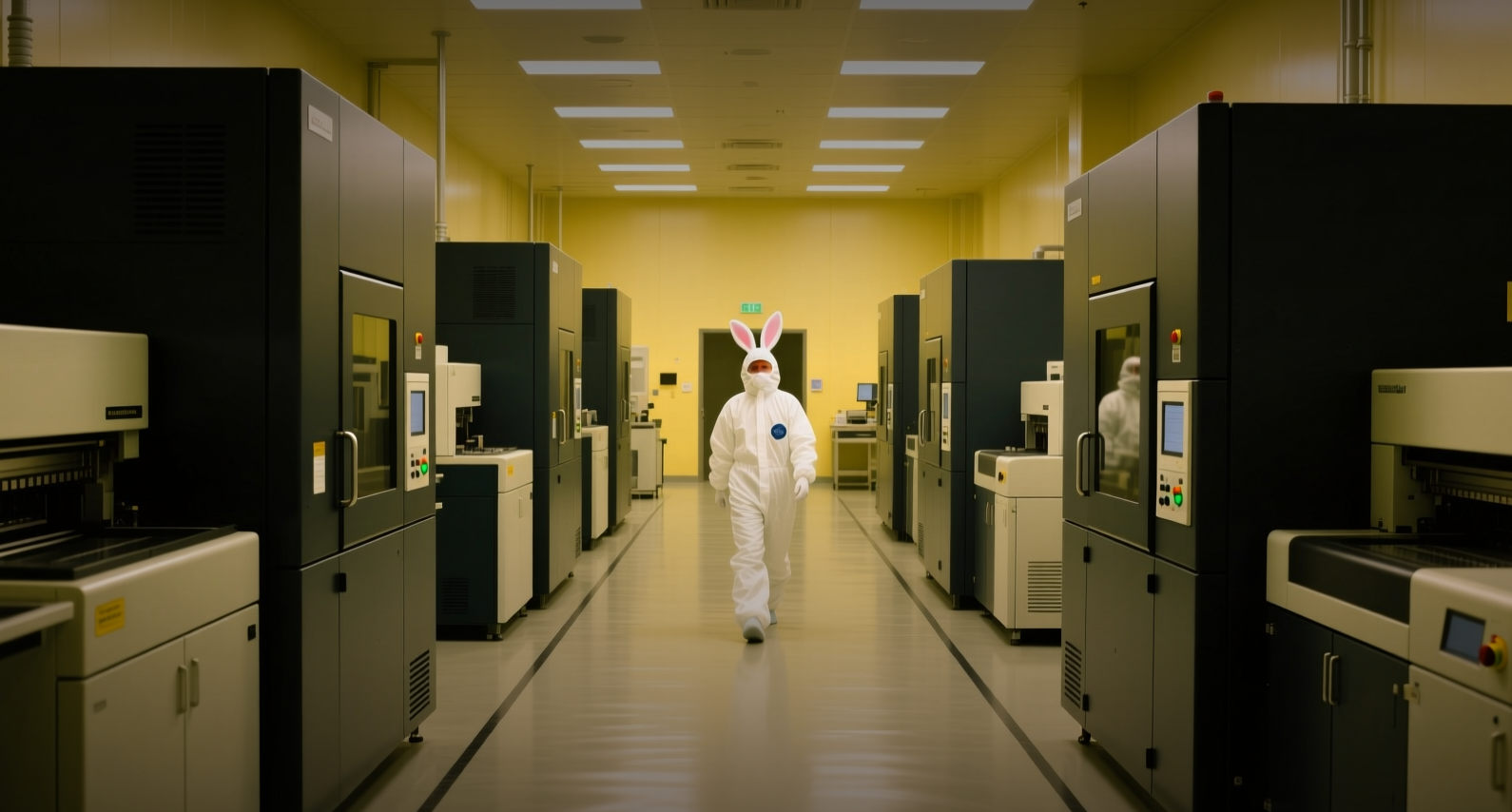
CXMT has begun mass production of LPDDR6 DRAM at 12.8Gbps, supplying Xiaomi's upcoming 18 Fold — a milestone that narrows China's technology gap with Samsung and SK Hynix in premium mobile memory.
"Congratulations to ChangXin for achieving LPDDR6 memory mass production," Lei Jun, founder and CEO of Xiaomi, said on Weibo. "The XuanJie O3 is the first chip to support ChangXin's LPDDR6, and the Xiaomi 18 Fold will debut with it. I believe this is just the beginning — more outstanding Chinese technology companies will join forces to reach new heights."
CXMT's LPDDR6 reaches a maximum speed of 12.8Gbps, compared with 14.4Gbps for Samsung and SK Hynix's upcoming products. The chip arrived less than a year after CXMT mass-produced its previous-generation LPDDR5, a pace that industry analysts describe as a credible catch-up trajectory. Samsung and SK Hynix plan to mass-produce LPDDR6 within the year. Xiaomi's 18 Fold, featuring the company's in-house 3-nanometer Xring O3 processor, launches in September.
CXMT posted a turnaround to profit in the first half, with revenue surging 874 percent year-over-year to 150.3 billion yuan ($22.36 billion) in its first earnings release since listing. The Hefei-based company has shipped LPDDR6 samples for mobile devices, servers, and smart cars. On Friday, CXMT sued the Pentagon over its placement on a list of companies the US says aid China's military.
Global big tech companies are increasing low-power DRAM adoption in AI servers, with capacity projected to reach 6.041 billion gigabytes in NVIDIA's AI servers next year — nearly double this year's volume. As Samsung, SK Hynix, and Micron approach supply limits, orders could shift toward CXMT. Apple is reportedly conducting performance tests on CXMT DRAM, raising the possibility of Chinese memory entering global big tech supply chains.
The LPDDR6 standard is designed for on-device AI and core memory in mobile devices, making it a critical component as smartphone makers push AI features into their flagships. CXMT's entry into this segment at scale gives Chinese device manufacturers a domestic alternative to Korean and US memory suppliers, reducing supply chain risk at a time of heightened geopolitical tension. Chinese media including Jingbao have hailed the development as a case where the domestic memory industry has taken a preemptive lead in the advanced low-power memory market.
The US Congress is advancing the MATCH Act, which would compel allies including the Netherlands to enforce export controls equivalent to US standards. If passed, the legislation would ban new sales of DUV lithography equipment by ASML to China and prohibit parts replacement and maintenance for equipment already installed in Chinese factories. Market research firm TrendForce warns that if ASML equipment maintenance is fully blocked, major Chinese semiconductor companies including CXMT and YMTC face unavoidable production disruptions.
The Dutch government is waging a campaign in Washington to block the bill, citing infringement on corporate activities and sovereignty. But ASML's reliance on US suppliers for some components makes it difficult to ignore Washington's demands.
CXMT's rapid progress in low-power DRAM challenges the duopoly of Samsung and SK Hynix in mobile memory. The design win with Xiaomi — one of the world's largest smartphone makers — provides commercial validation that could accelerate adoption across other Chinese device makers. However, the US equipment blockade threat creates material execution risk for CXMT's expansion plans. Xiaomi's 18 Fold launch in September will be the first real-world test of whether CXMT's LPDDR6 can deliver competitive performance at scale.
This article is for informational purposes only and does not constitute investment advice.
